
No products in the cart.
Consultation
Lymphatic Massage: 7 Things to Know Before Your First Session
If you are curious about this gentle massage but are not sure what the first appointment will feel like, the most important thing to know is that this treatment is usually far gentler than a traditional deep tissue massage. A well-delivered session focuses on light, rhythmic movements designed to encourage the movement of lymph fluid while keeping the body comfortable and relaxed. For wellness-focused clients, the treatment can be appealing because it offers a calm, low-pressure experience, but it is also important to understand its limits, safety considerations, and the difference between a spa treatment and clinically directed manual lymphatic drainage.
This guide covers seven practical things to know before booking your first Lymphatic session at Six Senses, with an evidence-aware approach that avoids exaggerated detox claims and helps you decide whether this gentle form of bodywork fits your goals.
1. Lymphatic Massage Is Different From Deep Tissue Massage

The first surprise for many clients is how light the technique feels. Manual lymphatic drainage is designed to work with superficial lymphatic vessels, so the therapist generally uses gentle, slow, rhythmic skin-stretching movements rather than firm kneading. Cleveland Clinic describes the technique as light pressure applied strategically to support lymph flow, while Johns Hopkins includes manual lymph drainage as one component of lymphedema therapy.
If you normally prefer strong massage pressure, this can feel unusually subtle. That does not mean the therapist is doing too little. In a properly performed session, more pressure is not necessarily better because the intention is not to work deeply into the muscles.
What should the pressure feel like?
Expect a soft, repetitive touch that gently moves the skin. The treatment should not feel sharp, bruising, or aggressively painful. If anything feels uncomfortable, tell your therapist immediately so the pressure and treatment area can be adjusted.
2. Lymphatic Massage May Help With Swelling, but Expectations Matter
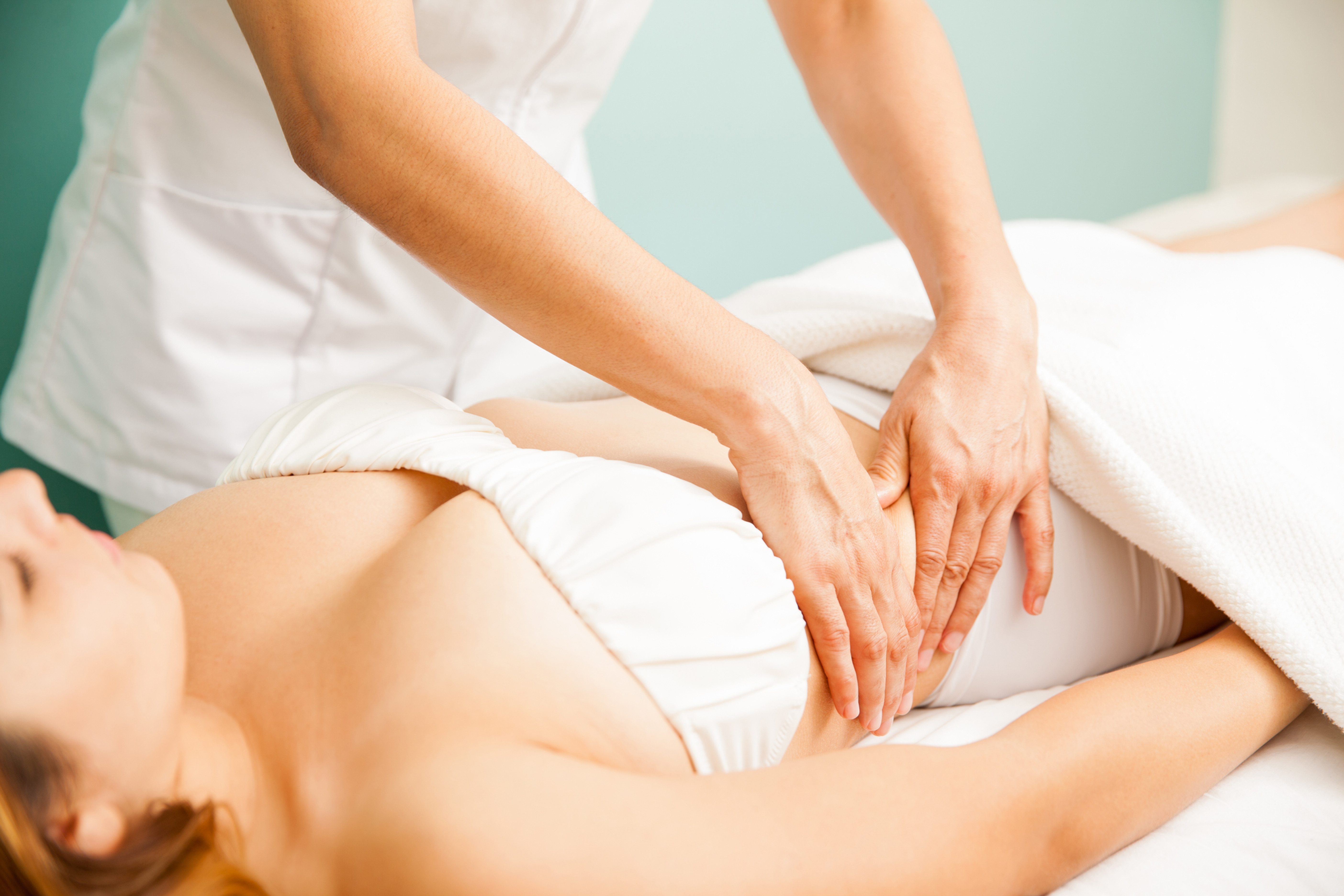
The strongest established use of manual lymphatic drainage is in the management of lymphedema and related swelling. NHS guidance describes manual lymphatic drainage as part of decongestive lymphatic therapy, alongside compression, exercise, and skin care. Mayo Clinic similarly notes that light manual lymph drainage may help move trapped fluid toward areas with functioning lymph vessels.
For a general wellness client without lymphedema, the experience may be more about relaxation, a temporary sense of lightness, or reduced puffiness rather than a dramatic medical effect. It is best to treat claims about rapid detoxification, permanent weight loss, or major body reshaping with caution. This massage does not replace medical treatment, exercise, nutrition, or prescribed compression therapy.
What benefits are realistic?
- A gentle, calming massage experience
- Possible short-term reduction in puffiness or fluid-related discomfort
- Support for clinically managed lymphedema when recommended by a healthcare professional
- A relaxing wellness ritual for people who prefer lighter touch
If your goal is relaxation rather than treatment of a diagnosed condition, tell your therapist before the session. This helps Six Senses tailor the experience appropriately rather than making promises that go beyond the evidence.
3. Your Health History Matters Before Treatment

Lymphatic Massage is gentle, but gentle does not automatically mean appropriate for everyone. A therapist should ask about your health history, current symptoms, medications, recent surgery, and the reason you are booking. This screening is especially important if you are seeking treatment for swelling rather than general relaxation.
Medical sources advise caution or clinician approval in situations that may include active infection, blood clots or deep vein thrombosis, significant heart or kidney disease, active cancer in the treatment area, and certain post-treatment complications. Cancer Research UK and Mayo Clinic both recommend specialist guidance when manual lymphatic drainage is being used for lymphoedema or when these medical concerns are present.
When should you speak with a healthcare professional first?
Ask for medical guidance before booking if you have unexplained or rapidly increasing swelling, fever, redness, suspected infection, a known blood clot, active cancer in the area, significant heart or kidney problems, or if you are recovering from surgery and have not yet been cleared for massage. New one-sided swelling, chest pain, or shortness of breath needs prompt medical assessment rather than a spa treatment.
4. Preparing for Your First Session Is Simple

You do not need an elaborate detox routine before Lymphatic Massage. Arrive comfortably hydrated, avoid a very heavy meal immediately beforehand, and wear clothing that is easy to change out of if your treatment requires access to the skin. If you use compression garments for a medical reason, follow the instructions given by your healthcare professional rather than changing your routine for the massage.
First-session checklist
- Share the main reason you are booking and any areas of swelling or sensitivity
- List relevant medical conditions, recent procedures, and medications
- Tell the therapist if you are pregnant or recently postpartum
- Ask how much clothing will be removed and how draping will be handled
- Explain whether your goal is relaxation, puffiness relief, or medically directed lymphatic care
Good communication is part of a high-quality Lymphatic experience. If you are unsure whether the treatment is suitable, a short consultation before the appointment is more useful than trying to self-diagnose fluid retention.
5. A Session Usually Follows a Deliberate Sequence
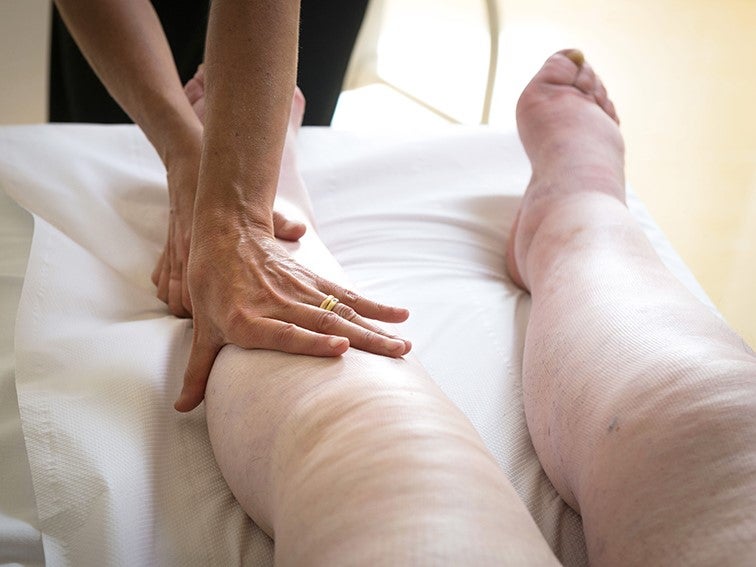
A Lymphatic Massage session is generally structured rather than improvised. Depending on your goals, the therapist may begin near central lymphatic areas before working toward other regions of the body. Cleveland Clinic notes that treatment may start around lymph node regions such as the neck or underarms before the therapist guides excess fluid from other tissues toward functioning lymphatic pathways. Cleveland Clinic
This is one reason a professional session can feel different from a general relaxation massage. The therapist may spend longer on certain areas, repeat the same movements, and use less oil so the skin can be gently stretched. Session length varies by provider and by whether the goal is wellness or clinical management.
What should you communicate during the session?
Speak up about tenderness, numbness, recent scars, skin changes, or any sensation that feels wrong. A well-run Lymphatic session should feel calm and controlled. The therapist should also respect draping, consent, and your comfort around sensitive areas at all times.
If a gentler approach sounds more suitable than intense bodywork, this is a good point to explore whether a gentle massage session at Six Senses matches your wellness goals.
6. Aftercare Should Feel Gentle, Not Extreme
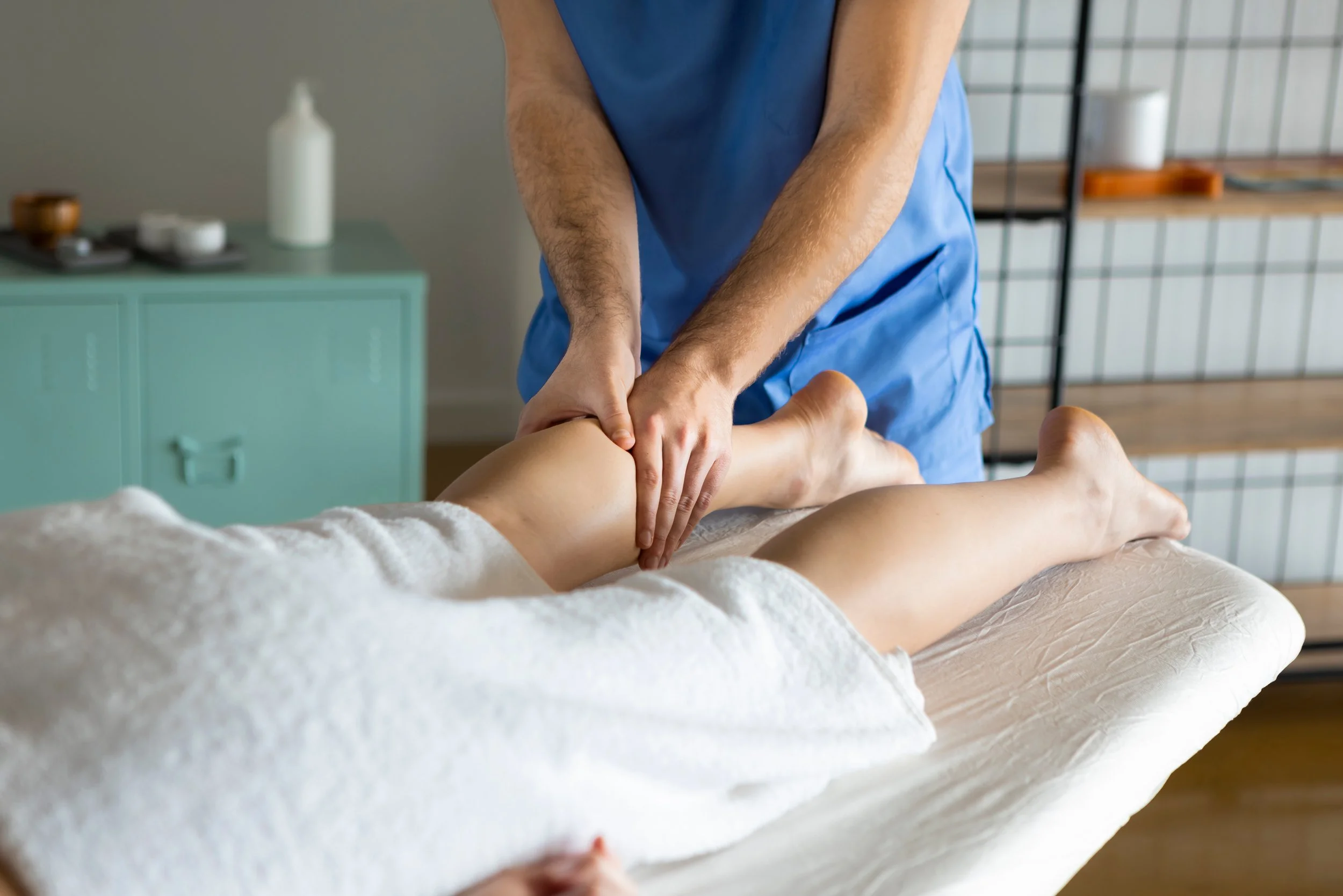
After the treatment, most wellness clients can return to normal activities unless their clinician or therapist has given different instructions. Some people simply feel relaxed, sleepy, or lighter. Cleveland Clinic notes that temporary fatigue, headache, or nausea can occur for some people, although these reactions are not a requirement and should not be interpreted as proof that the body is detoxing.
What should you do after a session?
- Drink fluids normally and avoid forcing excessive water intake
- Choose gentle movement if it feels comfortable
- Continue prescribed compression garments if your medical care plan requires them
- Monitor any swelling or symptoms that are unusual for you
- Contact a healthcare professional if symptoms worsen or you develop concerning signs
You do not need juice cleanses, fasting, laxatives, or intense exercise to make a session work. A more balanced approach is to treat the massage as one supportive element within your broader wellness routine.
Learn more: lymphatic drainage massage.
7. Choosing the Right Practitioner Matters
The right practitioner should be able to explain what type of lymphatic drainage work they provide, what training they have, and when they would refer a client to a healthcare professional. If you have diagnosed lymphedema, cancer-related swelling, or post-surgical concerns, look for someone specifically trained in manual lymphatic drainage and follow the recommendations of your medical team. Cancer Research UK states that MLD for lymphoedema should be performed by a specially trained therapist.
For a general wellness appointment, professionalism still matters. A credible therapist should avoid guaranteed detox claims, instant fat-loss promises, or suggestions that massage can replace medical care. They should ask for consent, adapt pressure, and be transparent about what the treatment can realistically achieve.
How do I know whether Lymphatic Massage is right for me?
If your main goal is gentle relaxation and you have no relevant contraindications, this treatment may be a comfortable option to explore. If you have persistent swelling or a diagnosed lymphatic condition, speak with a healthcare professional so the massage can be integrated safely with the rest of your care.
Does Lymphatic Massage hurt?
It generally should not. The technique is usually much lighter than deep tissue massage and focuses on the skin and superficial lymphatic pathways. Pain, strong pressure, or bruising is not the goal, so tell your therapist if the treatment feels uncomfortable.
Can Lymphatic Massage help with bloating?
Some people report a temporary feeling of reduced puffiness or abdominal fullness after gentle bodywork, but bloating has many causes. The treatment should not be presented as a cure for digestive disease or unexplained abdominal swelling. Persistent or severe bloating deserves medical evaluation.
Is Lymphatic Massage good for weight loss?
This massage is not a fat-loss treatment. Any short-term change in scale weight or body measurements may reflect fluid shifts rather than loss of body fat. Sustainable weight management depends on broader lifestyle and medical factors.
How often should I book this massage?
There is no single schedule that is right for everyone. A wellness client may book occasionally based on preference, while someone with lymphedema may follow a structured plan created by a qualified healthcare team. Frequency should match the reason for treatment, your health status, and how your body responds.
Can I do lymphatic self-massage at home?
Some simple techniques can be taught for home use, but it is best to learn them from a qualified professional, especially if you have lymphedema or another medical condition. NHS and Cleveland Clinic both describe self-drainage approaches as techniques that should be learned with appropriate guidance.
What should I book if I only want relaxation?
Tell Six Senses that your goal is a gentle, relaxing experience rather than treatment of a medical condition. The team can help you choose the most suitable massage approach and explain what to expect before your appointment.
If you are ready to explore a softer approach to relaxation and wellness, schedule your Lymphatic Massage session with Six Senses today. A thoughtful consultation and gentle technique can help make your first experience comfortable, informed, and aligned with your personal wellness goals.