
No products in the cart.
Consultation
Sport Massage: 6 Things Active People Should Know Before Booking
If you train regularly, play sport on weekends or spend a lot of time in the gym, recovery matters just as much as effort. Sport Massage is designed for active bodies that may feel tight, tired or overloaded after repeated physical activity. Unlike a purely relaxing treatment, Sport Massage usually focuses more directly on the muscle groups that have been working hardest.
At Six Senses, Sport Massage can be a practical option for people who want focused bodywork after an active day. It can also suit recreational athletes, runners, gym-goers and physically active adults who want to understand their bodies better and make recovery a more intentional part of their routine.
Before you book, however, it helps to know what Sport Massage can and cannot do, how pressure may feel, when timing matters and what information your therapist needs from you. The six points below will help you approach the session with realistic expectations and get more value from the experience.
1. Sport Massage Is Different From a Standard Relaxation Massage
The first thing to know is that Sport Massage is not simply a stronger version of a spa massage. Its purpose is usually more targeted. A therapist may spend extra time on the calves of a runner, the shoulders of a swimmer or the hips and legs of someone who trains with weights.
The session is usually goal focused
Before Sport Massage begins, it is useful to explain what kind of activity you do, which muscles feel tired and whether you have noticed stiffness after training. This information helps the therapist decide where to concentrate the session rather than treating every area in exactly the same way.
Techniques may include kneading, compression, slower pressure, soft tissue work and gentle movement or stretching. The exact combination can vary depending on your comfort and the therapist’s approach. sports massage should therefore feel purposeful, but it should still remain controlled and professional.
Sport Massage is not only for professional athletes
You do not need to compete at an elite level to consider Sport Massage. Recreational runners, cyclists, people who play football or tennis, gym members and adults with physically demanding routines may all experience muscle tightness from repeated activity. What matters is not your athletic status but how your body is being used.
If your main goal is simply to switch off and enjoy very gentle bodywork, a relaxing massage may be a better match. If you want more attention on overworked muscle groups, this focused treatment may be more appropriate.
2. Sports Massage Pressure Should Be Firm but Still Comfortable
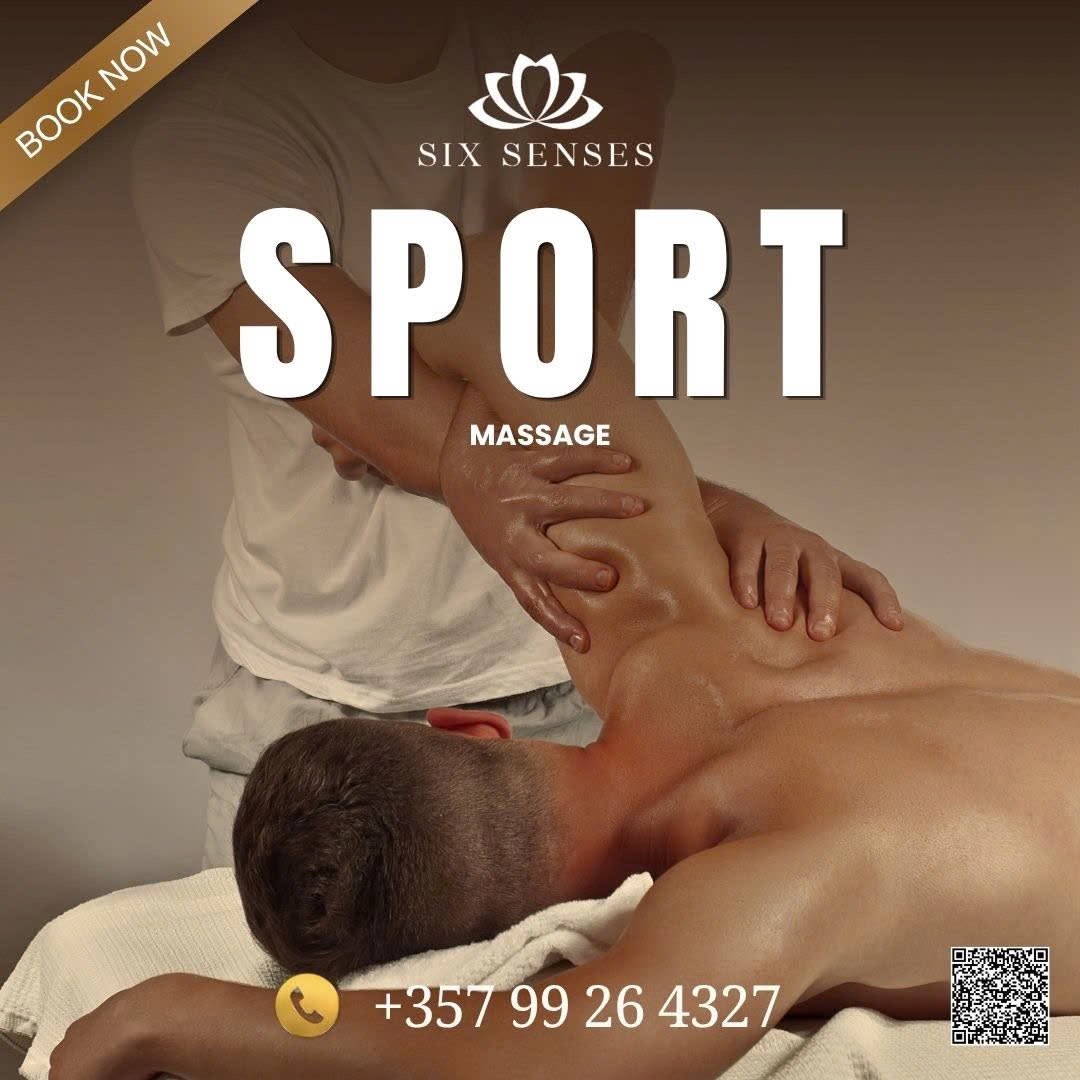
Many people assume that Sport Massage must be painful to be effective. That is not a useful rule. Active muscles can already be sensitive after training, and excessive pressure may make the session unnecessarily uncomfortable.
More pressure does not automatically mean better results
A skilled therapist should adjust Sport Massage pressure according to the tissue being worked on, your response and the goal of the session. Some areas may tolerate firmer work while others may need a lighter approach.
It is normal to feel noticeable pressure during Sport Massage, but sharp, sudden or intolerable pain is a reason to speak up. You are not expected to stay silent just because the treatment is designed for active people.
Communication improves the session
Tell the therapist whether the pressure feels too light, appropriate or too strong. Also mention if a particular position is uncomfortable. the treatment works best when the therapist can respond to real-time feedback rather than guessing what you can tolerate.
A simple pressure scale can help. You might describe the sensation as mild, moderate or strong but manageable. This makes it easier to keep the session focused without turning the experience into a test of pain tolerance.
3. Timing a Recovery Massage Around Training Matters
When you book Sport Massage can influence how the session should be approached. A treatment before a demanding workout should not necessarily feel the same as one booked after a hard training day.
Before training or an event
Before exercise, bodywork is generally better kept relatively brief and comfortable. The aim is not to leave the muscles feeling heavily worked before you need them to perform. If you are booking Sport Massage close to a competition or hard workout, tell the therapist exactly what activity is coming next.
Do not use sports massage as a substitute for your normal warm-up. Continue to follow the preparation routine that works for your sport, including appropriate movement, hydration and sport-specific drills.
After training
After exercise, Sport Massage can provide dedicated recovery time and may help you feel less tense or stiff. The therapist can focus on the muscle groups that worked hardest, while you have a chance to slow down after physical effort.
Research on massage suggests that some people experience short-term improvements in soreness, perceived recovery or flexibility, but results vary. this recovery treatment should therefore be seen as one recovery option rather than a guarantee of faster performance gains.
If you have a race, heavy lifting session or important match the following day, let the therapist know. This helps them choose an intensity that fits your schedule.
4. Sport Massage Can Support Recovery but It Does Not Replace Medical Care
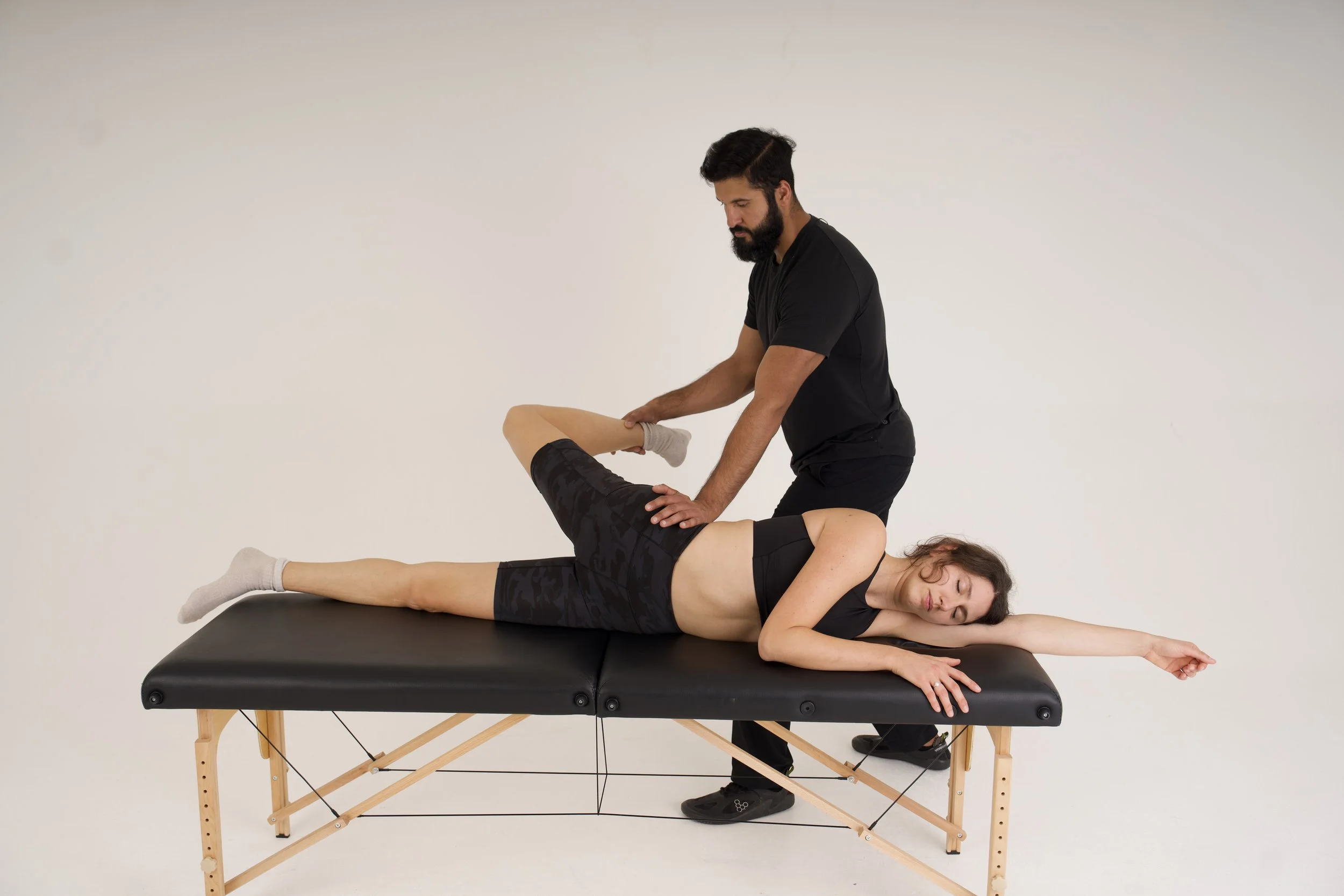
For active adults, one of the most important distinctions is the difference between ordinary post-exercise tightness and an injury that needs assessment. Sport Massage can be useful for general muscular tension and recovery, but it should not be used to diagnose the cause of unexplained or persistent pain.
Know when to ask for medical advice first
If you have a recent significant injury, marked swelling, severe pain, loss of normal function, unexplained symptoms or have recently had surgery, speak with an appropriate healthcare professional before booking Sport Massage. The same principle applies if you have a medical condition that may affect whether massage is suitable.
Tell your therapist about relevant injuries and health concerns before the session. the session can then be adjusted, postponed or avoided in an area when necessary.
Recovery should be broader than massage alone
Sport Massage works best as one part of a sensible recovery routine. Sleep, nutrition, hydration, appropriate training load and rest days remain important. Massage cannot compensate for consistently poor recovery habits or training through an injury that needs professional care.
For many active people, however, focused bodywork can provide something valuable that is easy to overlook: structured time to notice where the body feels tight and to reduce the feeling of being constantly switched on after training.
5. Your Therapist Needs to Know What Your Body Has Been Doing

A useful Sport Massage consultation does not need to be complicated, but it should cover more than a simple question about pressure. Your recent activity gives the therapist context.
What to tell your therapist
- The main sport or exercise you do
- How often you train
- What you trained recently
- Where you feel tight, tired or unusually sensitive
- Any previous injuries that remain relevant
- Whether you have another training session or event soon
- Your preferred pressure level
This information can make the session more specific. For example, a runner after a high-volume week may have different priorities from someone who has completed a heavy upper-body gym session.
You do not need to know anatomy
Do not worry if you cannot name the exact muscle that feels tight. Describe where you feel the sensation, what movement brings it on and when you first noticed it. A good Sport Massage conversation should use clear language that you understand.
If you are unsure whether the sensation is normal training fatigue or something more significant, say so. The therapist should work within their scope and avoid presenting massage therapy as a diagnosis.
6. What You Do Before and After Sports Massage Can Improve the Experience

You do not need an elaborate routine before Sport Massage. A few practical choices can make the appointment easier and allow you to focus on the treatment rather than rushing into the room straight from another commitment.
Learn more: sports massage and muscle recovery
Before your appointment
- Arrive with enough time to settle down
- Tell the therapist about your recent workout
- Share relevant health information and injuries
- Avoid hiding pain because you want stronger pressure
- Wear comfortable clothing before and after the session
- Follow any preparation guidance provided by Six Senses
If you arrive directly after training, let the therapist know how intense the session was. the treatment may need to be adapted if the muscles are already very fatigued or sensitive.
After your appointment
Give yourself a little time before returning to demanding activity. Pay attention to how your body feels and follow any practical guidance given by the therapist. Some clients prefer to keep the rest of the day relatively easy after a focused Sport Massage session.
There is no universal post-massage formula that works for everyone. Your training history, treatment intensity and personal response all matter. The goal is to leave the session feeling cared for, not to follow unnecessary recovery rules simply because they are popular online.
Ready to recharge after an active day? Book your Sport Massage session at Six Senses and give your body dedicated recovery time after the effort you put into training.
Frequently Asked Questions About Sports Massage
What is Sport Massage?
Sport Massage is a form of massage aimed at active people and the muscle groups affected by repeated exercise or physical activity. It may include focused pressure, kneading, compression, soft tissue techniques and gentle stretching. The exact session should be adapted to the clients comfort, activity and recovery goals.
Do I need to be an athlete to book Sport Massage?
No. Sport Massage can also suit recreational runners, gym-goers, cyclists, dancers and adults whose routines are physically demanding. The important factor is whether you want targeted attention on muscles that feel overworked or tight. A professional therapist can help determine whether the treatment matches your goals.
Does Sport Massage have to hurt?
No. Sport Massage may feel firmer than a gentle relaxation massage, but severe pain is not a requirement. Tell your therapist if the pressure feels excessive. Comfortable communication should remain part of the session from beginning to end.
Should I book Sport Massage before or after exercise?
Either may be possible, but the goal and intensity are different. Before exercise, Sport Massage is generally better kept lighter and matched to the activity ahead. After training, the session may focus more on tired muscle groups and recovery. Always tell the therapist what you have done and what you plan to do next.
Can Sport Massage treat a sports injury?
Sport Massage may be used alongside a broader recovery plan in some situations, but it is not a substitute for medical diagnosis or rehabilitation. If you have significant pain, swelling, loss of function or a recent injury, seek appropriate clinical advice first. The therapist should know about any injury before treatment begins.
How often should active people book Sport Massage?
There is no single schedule that suits everyone. Some people book Sport Massage occasionally after demanding training periods, while others include it more regularly in their wellness routine. Frequency should depend on your goals, training load, budget and how you personally respond to massage.
Sport Massage is most useful when expectations are realistic. It can provide focused bodywork, relaxation and dedicated recovery time, but it works best alongside sensible training, sleep, nutrition and appropriate medical care when needed.
Ready to recharge after an active day? Book your Sport Massage session with Six Senses and give your body the recovery time it deserves.