If you have never booked Thai Massage before, the experience can look surprisingly different from the image many people have of a conventional spa massage. Instead of lying still while oil is applied, you may stay fully clothed on a padded mat while the therapist uses rhythmic pressure, supported movement and assisted stretching. Thai Massage can feel active, structured and deeply calming at the same time, which is why first-time clients often benefit from knowing what will happen before the session begins.
This 2026 guide explains what a first session usually involves, what to wear, how pressure should feel, how much participation is expected and when extra medical caution is sensible. The aim is practical preparation rather than exaggerated promises. Thai Massage may support relaxation, mobility and short-term relief from muscular tension for some people, but it should not replace appropriate medical assessment or treatment.
What Thai Massage Is and Why It Feels Different

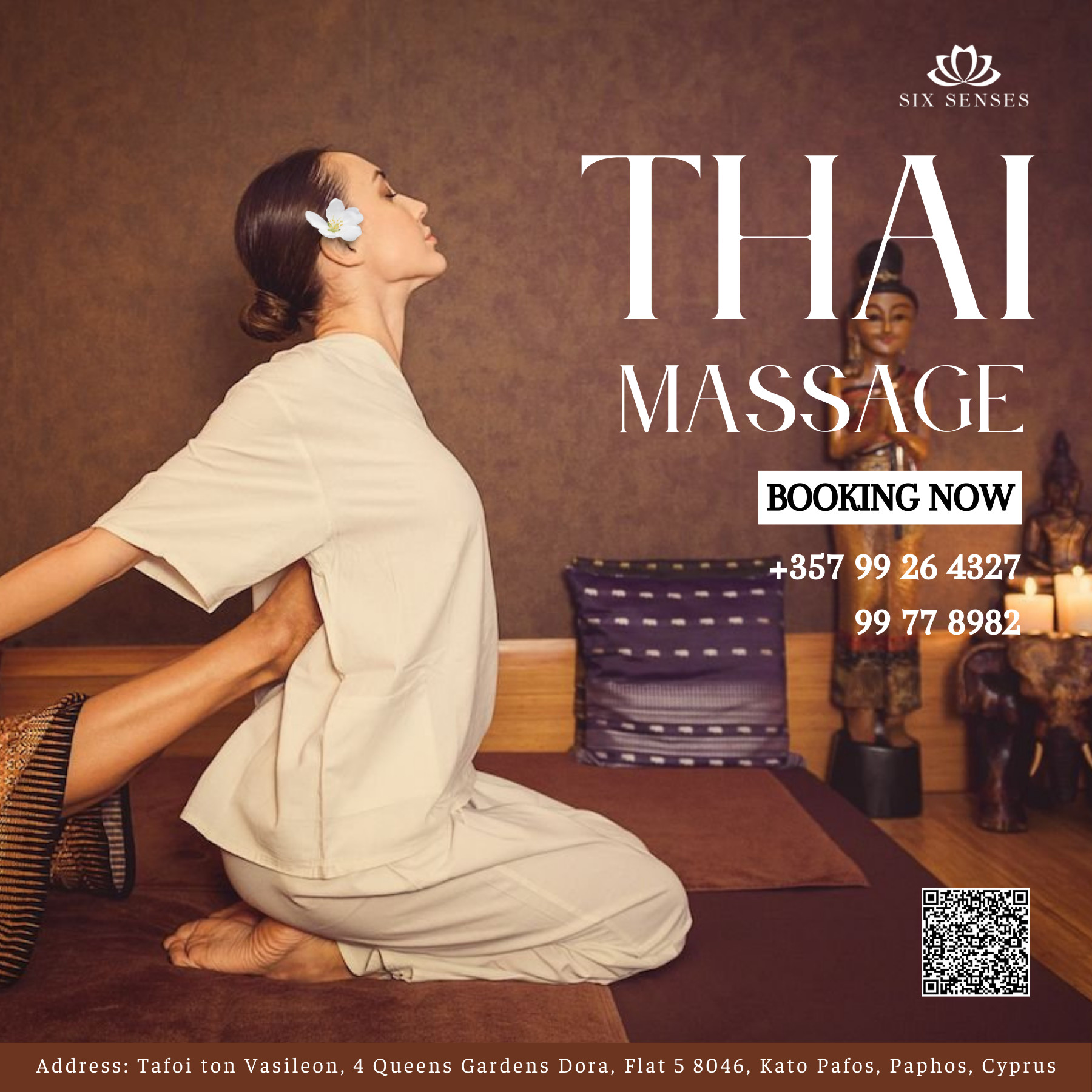
Thai Massage is a traditional form of bodywork that combines passive stretching, yoga-like positions and pressure applied with the hands, thumbs, forearms and sometimes other parts of the therapist’s body. Cleveland Clinic describes the approach as distinct from many Western massage styles because the therapist guides the client through assisted stretches rather than relying mainly on gliding oil-based strokes.
Thai Massage is also commonly performed on a mat or firm padded surface. Loose clothing is usually preferred because the therapist may move your arms, legs, hips and torso through different positions. Many traditional sessions use little or no oil, although individual spas may offer variations, so it is worth checking the exact service description before you arrive.
| Feature | Thai Massage | Typical oil massage |
|---|---|---|
| Clothing | Usually fully clothed in loose garments | Usually undressed to your comfort level with professional draping |
| Main techniques | Compression, assisted stretching and supported positions | Gliding strokes, kneading and direct soft-tissue work |
| Surface | Often a floor mat or firm padded surface | Usually a massage table |
| Movement | More position changes and therapist-guided movement | Usually less movement from the client |
| Oil | Traditional versions are commonly oil-free | Oil or lotion is often used |
These differences are exactly why the treatment can feel unfamiliar at first. The session may be restful, but you should expect more guided movement than in a classic relaxation massage. You do not need advanced flexibility or yoga experience. What matters more is clear communication about your comfort, mobility and any health concerns.
What to Expect at Your First Thai Massage in 2026
1. Expect a short consultation before the hands-on work begins
A professional Thai Massage session should start with a conversation about what you want from the treatment. Tell the therapist about areas that feel stiff, any recent injuries, previous surgery, pregnancy, current pain and medical conditions that could affect stretching or pressure. You should also mention your preferred pressure level and any movements you already know are uncomfortable.
This consultation is especially important for a first session because the therapist cannot judge your medical history or movement tolerance simply by looking at you. NCCIH recommends discussing relevant health concerns and the practitioner’s training when considering massage therapy.
2. You will usually stay fully clothed
One of the biggest surprises for first-time clients is that traditional Thai Massage is normally performed through clothing. Loose trousers, leggings with good stretch and a comfortable top are practical choices. Some spas provide clean treatment clothing so that you can move freely even if you arrive in work clothes.
Avoid restrictive jeans, tight waistbands, belts and bulky accessories if possible. The therapist needs enough freedom to guide your hips, knees, shoulders and arms through supported positions. Cleveland Clinic notes that loose-fitting clothing is preferred during the treatment.
3. The session may take place on a padded mat instead of a massage table
Traditional Thai Massage often uses a floor mat or low padded mattress because this gives the therapist space and leverage for assisted movement. Do not assume that being on a mat means the treatment is less professional. It is part of the way this massage style is commonly delivered.
You may move between lying on your back, stomach or side, and some sessions include seated positions. A trained therapist should guide each transition and adapt the sequence when mobility is limited. If getting down to or up from the floor is difficult, ask the spa in advance whether the setup can be modified.
4. Thai Massage uses pressure and stretching together
Your therapist may apply steady pressure with the palms, thumbs or forearms and then guide you into a slow stretch. The rhythm can alternate between compression, gentle rocking and assisted movement. This combination is one of the features that makes the experience feel different from Swedish or oil-based massage.
Stretching should remain within a comfortable range. You may feel a clear pull through tight muscles, but sharp pain, numbness or a feeling that a joint is being forced are reasons to speak up immediately. Communication is part of a safe session, not an interruption to it.
5. You are a passive participant, not a yoga student
Although the technique is sometimes described with yoga-related language, you are not expected to perform poses by yourself. The therapist supports your body and moves you gradually through positions while you stay as relaxed as possible. Cleveland Clinic describes these as passive stretches and yoga-like poses guided by the practitioner.
You also do not need to be naturally flexible. A first session should be adapted to the movement you have today rather than forcing you toward an ideal range. If you have very limited mobility or a known joint problem, mention that before the session.
6. Pressure can be adjusted throughout the appointment
Thai Massage does not have one correct pressure level. Some people enjoy firm rhythmic compression, while others prefer a gentler approach. Your therapist should be able to reduce pressure, shorten a stretch or skip a technique when needed.
A useful rule is that intensity can feel strong without becoming alarming. Cleveland Clinic advises clients to tell the therapist when massage pressure causes uncomfortable pain. Cleveland Clinic If you find yourself holding your breath or bracing against every movement, ask for an adjustment.
7. The session may feel energizing, relaxing or both
First-time clients sometimes expect the treatment to make them sleepy in the same way as a gentle oil massage. That can happen, but the assisted movement may also leave you feeling more awake or mobile. Individual responses vary, and there is no single correct post-massage sensation.
Research and clinical summaries suggest that the technique may support flexibility, range of motion and relaxation for some people, but benefits should not be treated as guaranteed medical outcomes. The most realistic goal for a first session is to notice how your body responds to the combination of pressure and stretching.
8. Your feedback after the session helps shape the next one
After your first Thai Massage, pay attention to what felt useful and what felt too intense. Mild temporary tenderness can occur after massage, but severe or persistent pain is not something you should simply accept as normal. If symptoms are unusual or concerning, seek appropriate medical advice.
If you enjoyed the movement but wanted less pressure, say so next time. If the stretching felt comfortable but one area needed more attention, mention that too. The treatment is easier to personalize when you give the therapist specific feedback rather than asking only for stronger or softer treatment.
If this approach sounds right for you, explore the Thai Massage service at Six Senses and choose a session length that gives you enough time to settle into the experience. The current Six Senses service listing includes Thai Massage as a bookable treatment.
How to Prepare for Thai Massage Safely

A little preparation can make a first session more comfortable. Arrive with enough time to complete any intake questions without rushing. Wear clothes that allow movement, remove jewellery that could press into the skin and avoid arriving immediately after a very heavy meal.
Use this simple first-session checklist:
- Tell the therapist that this is your first session.
- Share relevant injuries, medical conditions, recent surgery and current pain.
- Explain which areas feel tight and which areas you do not want treated.
- Choose a pressure level that feels manageable rather than trying to tolerate the strongest option.
- Wear or request loose clothing that allows the hips, knees and shoulders to move comfortably.
- Speak up if a stretch produces sharp pain, tingling, numbness or joint discomfort.
- Leave a little time after the session instead of scheduling an immediate high-intensity workout.
When should you ask a healthcare professional before booking?
Massage therapy has a generally low risk of harm when provided appropriately, but extra caution is sensible for some people. NCCIH advises against using massage to delay medical assessment and recommends discussing massage with a healthcare provider when you are unsure whether it is appropriate.
Cleveland Clinic lists concerns such as blood clots, blood-thinning medication, osteoporosis, certain spine disorders, acute injury and very recent surgery among situations that should be discussed before massage. Cleveland Clinic Because Thai Massage can involve substantial assisted movement, it is particularly important to mention conditions that affect joints, bones, balance or mobility.
What if you are pregnant?
Pregnancy requires individualized advice rather than a one-size-fits-all rule. If you are pregnant, speak with your healthcare professional and choose a practitioner who is specifically trained to adapt massage for pregnancy. Do not assume that a standard sequence is appropriate without modification.
What should you do after Thai Massage?
There is no need for a special detox routine. Return to normal hydration, move gently and pay attention to how your body feels over the next several hours. If the session was more intense than expected, choose lighter activity rather than immediately testing your maximum flexibility or strength.
The best first session is not the strongest one. It is the one that leaves you feeling respected, well informed and comfortable with the way your body was moved.
Thai Massage FAQ for First-Time Clients

Does Thai Massage hurt?
The treatment can feel firm or intense in tight areas, but it should not require you to tolerate sharp or distressing pain. A professional therapist can reduce pressure and modify stretches. Tell the therapist immediately if anything feels unsafe or excessively painful.
Learn more: Cleveland Clinic – Thai Massage: What It Is and 5 Benefits
Do I need to be flexible before trying Thai Massage?
No. You do not need yoga experience or advanced flexibility. The therapist should adapt the session to your current range of motion rather than force you into a predetermined position. If you have a joint problem or major restriction, explain it during the consultation.
Do you keep your clothes on during Thai Massage?
Traditional Thai Massage is commonly performed fully clothed, usually in loose or stretchy garments. Some spas provide special treatment clothing. Because service formats vary, confirm the clothing policy when you book.
Does Thai Massage use oil?
Traditional Thai Massage is commonly oil-free because compression and assisted movement are performed through clothing. Some businesses offer hybrid or oil-based Thai treatments, so always check the service description. If you specifically want warm oil and long gliding strokes, another massage style may suit you better.
How long should a first Thai Massage session be?
There is no universal ideal duration. A longer session gives the therapist more time to work gradually through the body, while a shorter session may suit someone who is unsure how they will respond. Ask the spa which option best matches your goals, mobility and previous massage experience.
Can I work out after the treatment?
Light activity may feel comfortable, but you may prefer not to schedule a maximal workout immediately afterward, especially after a strong first session. Notice how your body responds before returning to demanding exercise. If you train for competition or are recovering from injury, coordinate massage timing with an appropriate qualified professional.
Where can I book Thai Massage with Six Senses?
Six Senses currently lists this treatment among its bookable massage services, with a dedicated service page and booking options. If this will be your first session, mention that when booking or during your consultation so the therapist can discuss pressure, stretching and comfort with you.
Ready to try it for yourself? Experience traditional Thai Massage with Six Senses and make your first session one that is informed, comfortable and tailored to you. Book your first session today.