
No products in the cart.
Consultation
8 Things to Know Before Your First Deep Tissues Massage
If you train regularly, sit for long hours, travel often or simply carry persistent muscular tension, your first Deep Tissues Massage can feel very different from a gentle relaxation treatment. The pressure is usually more focused, the pace is slower, and the therapist may spend extra time on areas that feel tight or overworked. Knowing what to expect can make the experience more comfortable and help you communicate clearly from the start.
This guide covers eight practical things to know before booking a Deep Tissues Massage, including pressure, soreness, preparation, safety and what to tell your therapist. The goal is not to promise a cure for pain or injury. Instead, this treatment should be approached as a hands-on wellness service that may support short-term comfort, relaxation and muscle tension relief for some people.
What Makes Deep Tissues Massage Different?

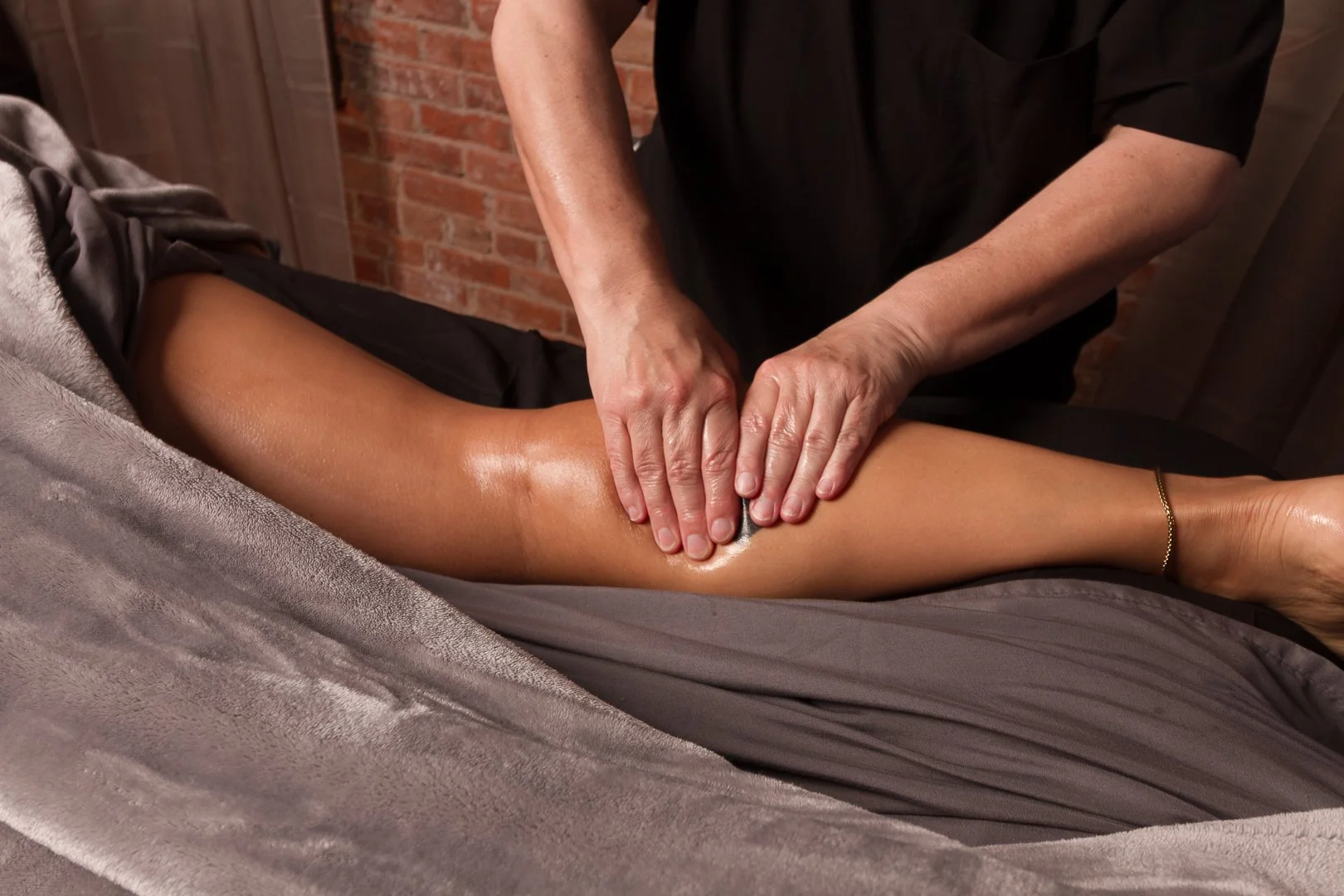
Deep Tissues Massage is designed around deliberate pressure and targeted work rather than light, flowing strokes alone. A therapist may use the hands, thumbs, forearms or knuckles to work gradually through tense areas while adjusting depth according to your comfort. The term is often used interchangeably with deep tissue massage, although individual spas may structure the service differently.
For active adults and gym-goers, this massage may be chosen when muscles feel tight after training, repetitive movement or long periods of sitting. It can also appeal to people who prefer a firmer massage experience. Research on massage therapy suggests that massage may help with stress, muscle stiffness and some types of pain in the short term, but results vary and evidence is not equally strong for every condition. For a cautious evidence overview, see Mayo Clinic massage therapy guidance and NCCIH massage therapy overview.
| Massage style | Typical pressure | Main focus | Often chosen by |
|---|---|---|---|
| Deep Tissues Massage | Medium to firm and adjustable | Targeted muscular tension | Active adults, gym-goers and people who prefer focused pressure |
| Relaxing Massage | Light to medium | General relaxation | People looking to unwind with gentler techniques |
| Sport Massage | Varies by goal | Activity-related muscle work | People preparing for or recovering from physical activity |
The important point is that deeper does not automatically mean better. A professional session should remain controlled and responsive. If pressure becomes sharp, overwhelming or causes you to brace against the treatment, tell the therapist immediately.
8 Things to Know Before Your First Deep Tissues Massage

1. Firm pressure should feel purposeful, not unbearable
Many first-time clients assume Deep Tissues Massage must hurt in order to work. That is not a useful rule. You may notice strong pressure, tenderness in tight areas or an intense stretching sensation, but you should still be able to breathe normally and stay reasonably relaxed.
Your therapist cannot know exactly how pressure feels in your body unless you communicate. Use simple feedback such as lighter, a little firmer or stay at this pressure. During Deep Tissues Massage, this feedback helps the therapist fine-tune intensity without guessing. A good deep tissue session is adjusted throughout the appointment rather than delivered at one fixed intensity.
2. Tell your therapist where the tension actually is
Before the session, identify the areas that feel most restricted or tired. Common examples include the upper back, shoulders, lower back, glutes, thighs and calves. If gym training is the reason you booked this treatment, mention the movements that tend to leave you tight, such as squats, running, cycling or heavy upper-body work.
Be specific without trying to diagnose yourself. Deep Tissues Massage works best when the therapist understands what feels tight, sensitive or overworked from your perspective. Saying that your right shoulder feels tight after desk work is more useful than insisting that a particular muscle is injured. The therapist can then plan targeted muscle massage while staying within the scope of a wellness treatment.
3. Your health history matters before deeper pressure
Deep pressure is not suitable for every situation. Tell the therapist about recent injuries, surgery, fractures, pregnancy, significant osteoporosis, bleeding disorders, blood-clot history, skin infections, open wounds or medicines that increase bleeding risk. Mayo Clinic also advises discussing massage with a healthcare professional when certain medical risks are present.
If you have severe unexplained pain, major swelling, numbness, weakness, chest pain or shortness of breath, do not use massage as a way to delay medical assessment. Massage should complement appropriate healthcare, not replace diagnosis or treatment. Deep Tissues Massage is a wellness service, not a substitute for medical evaluation.
4. Avoid a hard workout immediately before the session
If possible, do not arrive straight from an exhausting strength session, long run or intense class. Your muscles may already be fatigued, and adding firm manual pressure can make the experience less comfortable. Light movement earlier in the day is generally easier to pair with the treatment than a maximal workout.
You also do not need to perform a special detox routine before your appointment. Preparing for Deep Tissues Massage is usually simple: arrive unhurried, comfortable and ready to communicate. Eat normally, avoid arriving overly full, stay reasonably hydrated and give yourself enough time so you are not rushing into the treatment room.
5. Some post-massage tenderness can happen
Mild temporary soreness may occur after Deep Tissues Massage, especially if the session includes firm work on areas that are already sensitive. That does not mean soreness is required for the massage to be effective, and stronger soreness is not evidence of a better treatment.
After the session, gentle walking, normal hydration and a quieter evening may feel good. If pain becomes severe, persists unexpectedly or is accompanied by swelling, weakness or other concerning symptoms, contact an appropriate healthcare professional.
6. You can ask the therapist to change technique at any time
Consent continues throughout every massage session. You can ask the therapist to reduce pressure, skip an area, stop a technique or explain what they are doing. You can also request extra draping or ask questions about positioning if something feels uncomfortable.
This matters especially during a first Deep Tissues Massage because everyone has a different tolerance for firm pressure massage. The most useful treatment is not the one you endure silently. It is the one that stays aligned with your comfort, goals and current physical condition.
7. Deep Tissues Massage is different from sports massage
The two services can overlap, but they are not automatically the same. Deep tissue work generally describes a style that uses slower, deeper and more targeted pressure. Sports massage is usually organized around activity, training demands, event preparation or recovery and may combine several techniques depending on the goal.
If you are a gym-goer, runner or active traveler, explain what you want from the session. If your priority is focused muscle tension relief, Deep Tissues Massage may be suitable. If your goal is specifically linked to training or sport performance, you may also want to compare the Sport Massage at Six Senses.
8. Plan a little recovery time after your first session
Your first Deep Tissues Massage is easier to evaluate when you do not rush directly into another demanding activity. If your schedule allows, leave a quieter window afterward. Notice whether the targeted areas feel more comfortable, unchanged or unusually sore over the next day.
That feedback is useful for your next Deep Tissues Massage because pressure and treatment focus can be adjusted. If you prefer less intensity, Relaxing Massage may be a better fit. If you enjoy focused pressure and your body responds comfortably, this treatment may become one option within a broader recovery and self-care routine.
Ready for focused muscle relief? Six Senses lists Deep Tissues Massage among its massage services in Kato Pafos, Paphos, Cyprus. Review the available treatments and book your session with Six Senses when you are ready.
Deep Tissues Massage FAQ
Is Deep Tissues Massage supposed to be painful?
No. Deep Tissues Massage can feel intense, but severe or sharp pain is not the goal. Pressure should be adjusted so that you can remain reasonably relaxed and communicate comfortably. Ask for lighter pressure as soon as the treatment feels excessive.
How long should my first Deep Tissues Massage be?
The right duration depends on how many areas you want to address and how comfortable you are with firm pressure. A focused session may concentrate on one or two regions, while a longer appointment allows more time for a broader treatment. If you are unsure, ask the spa which duration best matches your goals before booking.
Can I work out after Deep Tissues Massage?
You may prefer light movement rather than a maximal training session immediately after the treatment, particularly if the treatment was firm. How you respond can vary, so pay attention to soreness and fatigue. If you have a competition, heavy training day or rehabilitation plan, coordinate massage timing with the relevant qualified professional.
How often should I book Deep Tissues Massage?
There is no single schedule that suits everyone. Frequency depends on your activity level, comfort, budget, goals and how your body responds. Massage should not become a substitute for sleep, progressive training, recovery time or medical care when those are needed.
Can Deep Tissues Massage remove muscle knots?
People often use the term muscle knot to describe a tender or tight area, but it is not always a precise diagnosis. Massage may help some people experience temporary relief from muscular tension, yet it should not be presented as permanently removing every source of pain. Persistent or recurring symptoms deserve proper assessment.
Who should avoid Deep Tissues Massage?
People with certain medical conditions or recent injuries may need to avoid deep pressure or obtain medical advice first. Examples include recent blood clots, bleeding disorders, severe osteoporosis, recent surgery, fractures, open wounds and some high-risk pregnancy situations. NCCIH notes that massage generally has a low risk of harm when performed appropriately, but rare serious complications have been reported, particularly with vigorous massage or in higher-risk individuals.
What should I tell the therapist before the session?
Explain your main tension areas, desired pressure, recent exercise, previous injuries, relevant medical conditions and any area you do not want treated. Tell the therapist whether this is your first deep tissue session. Clear information makes it easier to personalize the session and keep the pressure appropriate.
If your body has been asking for more focused care, make time to respond before tension becomes the only thing you notice. Ready for focused muscle relief? Discover the massage options at Six Senses and book your Deep Tissues Massage today.