
No products in the cart.
Consultation
Neck, Back and Shoulder Massage: 7 Signs Your Body Is Asking for Care
If your shoulders feel heavy before lunch, your upper back tightens after a flight, or your neck becomes stiff after hours at a screen, your body may be asking for more than another quick stretch. For office workers, travelers and people carrying everyday upper-body tension, a Neck, Back and Shoulder Massage can provide focused relaxation where discomfort often builds first. The aim is not to diagnose or cure a medical condition. It is to give tired muscles a calm, structured break while helping you become more aware of the habits that may be contributing to tension.
This guide explores seven common signs that may suggest it is time to consider a Neck, Back and Shoulder Massage, what the treatment usually involves, what research says about massage for neck and shoulder discomfort, and when professional medical advice should come before a spa appointment. If the signs sound familiar, a Neck, Back and Shoulder Massage at Six Senses in Paphos can be a practical addition to your wellness routine.
What Is a Neck, Back and Shoulder Massage?
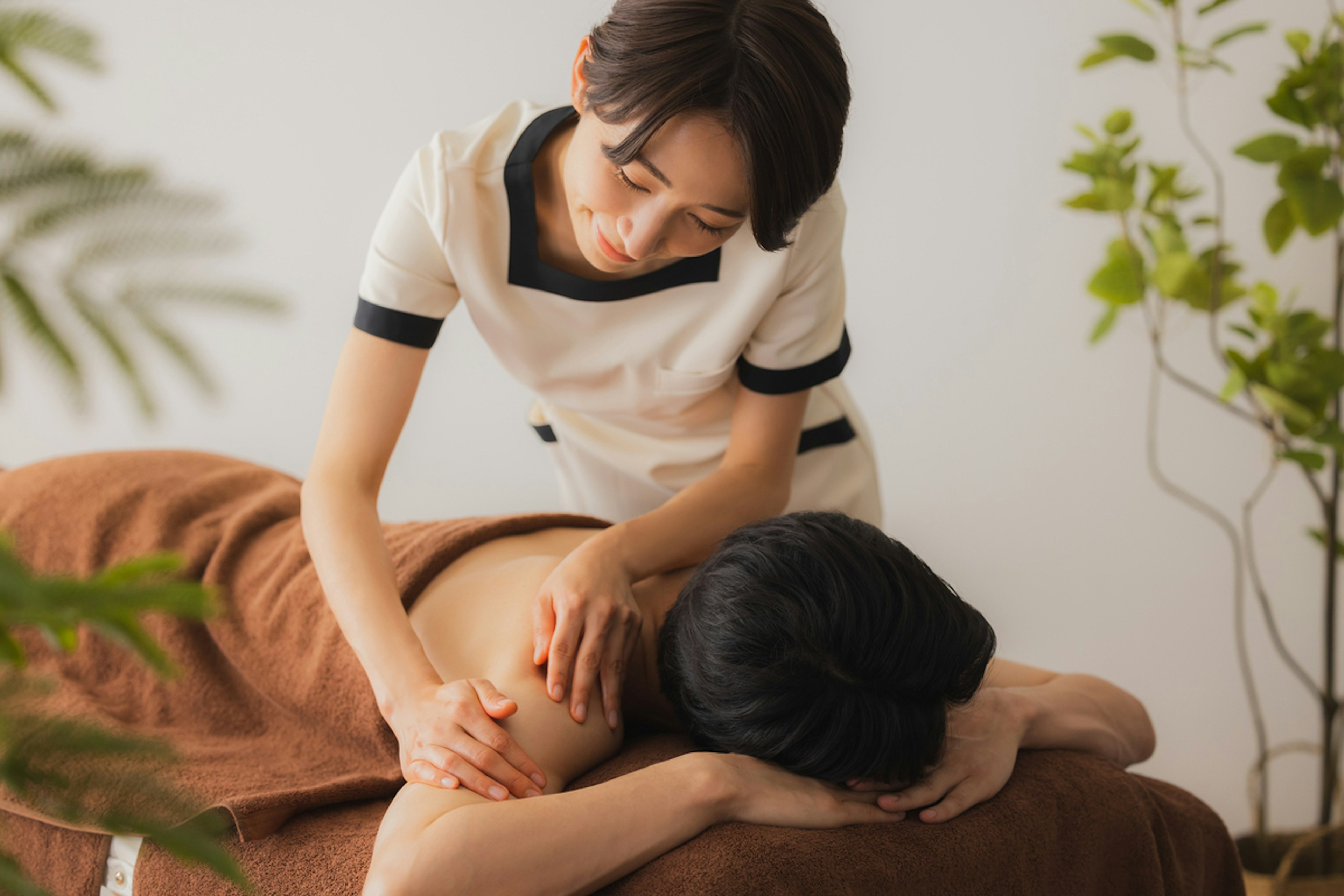
A Neck, Back and Shoulder Massage is a targeted treatment that concentrates on the areas many people notice first when stress, prolonged sitting, driving or travel begin to take a toll. Rather than spending most of the session on the whole body, the therapist can dedicate more attention to the upper back, shoulder girdle, trapezius area, neck and surrounding soft tissues.
The exact approach can vary by therapist and spa. A Neck, Back and Shoulder Massage may use gentle gliding strokes, kneading, sustained pressure, circular movements and slower techniques around tight-feeling areas. Pressure should be adjusted to your comfort. A productive session does not need to feel painfully intense, and stronger pressure is not automatically better.
Why people choose a targeted massage
Many clients choose a Neck, Back and Shoulder Massage because their discomfort feels concentrated rather than widespread. A desk worker may notice stiffness between the shoulder blades. A traveler may arrive in Paphos with a tired lower neck after a long flight. Someone who drives frequently may feel tension across one shoulder. A targeted session allows the therapist to spend more time on those areas instead of dividing attention across the entire body.
Massage is best viewed as a wellness and relaxation service, not a replacement for diagnosis, rehabilitation or medical treatment. The National Center for Complementary and Integrative Health notes that massage has been studied for neck and shoulder pain, with some research suggesting short-term benefit, while the evidence is not strong enough to treat massage as a guaranteed long-term solution. A Neck, Back and Shoulder Massage therefore makes the most sense as one part of a broader approach that may also include movement, ergonomic changes, exercise and appropriate healthcare.
7 Signs You May Need a Neck, Back and Shoulder Massage
You do not need to wait until your upper body feels completely exhausted. The most useful time to consider a Neck, Back and Shoulder Massage may be when you begin noticing repeated patterns that return after work, travel or long periods in one position. The following signs are not diagnoses. They are practical cues that your routine may be creating more upper-body tension than your usual recovery habits can comfortably manage.
1. Your shoulders feel heavy or raised by the end of the day
One of the most common signs is the feeling that your shoulders are gradually creeping toward your ears. You may start the morning feeling fine, then notice heaviness, tightness or fatigue across the tops of the shoulders after several hours of meetings, emails or focused computer work. Stress can also make people brace through this area without realizing it.
A Neck, Back and Shoulder Massage can give the shoulder region focused time to relax. It may be especially appealing if you regularly catch yourself rolling your shoulders, pressing the trapezius muscles with your fingers or asking someone to squeeze the area. If the sensation is mild and linked to a long day, a Neck, Back and Shoulder Massage may fit naturally into a relaxation routine. Persistent weakness, severe pain or symptoms after an injury deserve medical assessment instead.
2. Your neck feels stiff after screens, driving or reading
If turning your head feels less comfortable after a day at the laptop or after several hours in a car, prolonged positioning may be part of the picture. Looking downward at a phone or low screen can place extra demand on the muscles that support the head. The problem is often not one single posture but staying in a similar position for too long.
Cleveland Clinic describes tech neck as stress created by sustained forward-head positioning while using phones and computers. Regular movement, changing position and setting screens at a more comfortable height can all help reduce repeated strain. A Neck, Back and Shoulder Massage may complement those changes by providing a period of focused relaxation for the muscles around the neck and shoulders. If stiffness keeps returning despite better habits, it is worth looking at the underlying workstation or movement pattern rather than relying only on a Neck, Back and Shoulder Massage.
3. You feel a persistent knot between or around your shoulder blades
Many office workers describe a hard, tired or knotted feeling around the upper back, especially near the shoulder blades. The sensation may become more noticeable after typing, carrying a bag on one side, working from a laptop without proper support or sitting through long journeys. Sometimes the area feels uncomfortable only when you reach overhead or rotate the upper body.
A Neck, Back and Shoulder Massage can focus on the soft tissues around the upper back while the therapist adjusts pressure to your comfort. The goal should be relaxation and a reduction in the feeling of tightness, not aggressively chasing every knot. If pain is sharp, radiates into the arm, follows trauma or is accompanied by numbness or weakness, a Neck, Back and Shoulder Massage should not be your first step. Those symptoms warrant professional medical evaluation.
4. You keep rubbing your neck, upper back or shoulders without thinking
Repeated self-massage can be a useful clue. You may rub the base of your neck during phone calls, press a thumb into one shoulder while reading or lean against the edge of a chair to reach a tight place in your upper back. These small habits often show where your body feels overloaded at the end of the day.
If self-massage gives temporary comfort but the urge returns repeatedly, a professional Neck, Back and Shoulder Massage can offer more structured attention to the area. A therapist can also vary position and pressure in ways that are difficult to reproduce on yourself. The session should still remain within the limits of a wellness service. A Neck, Back and Shoulder Massage can support relaxation, but recurring pain that affects sleep, strength or daily function needs a fuller assessment.
5. Stress seems to settle in your upper body
Stress can be surprisingly physical. Some people clench the jaw, hold the breath, raise the shoulders or stiffen the upper back when concentrating. Others notice that the neck feels tired after emotionally demanding conversations or deadline-heavy days even when they have not done strenuous physical work.
A Neck, Back and Shoulder Massage can create a period in which you are not answering messages, rushing between tasks or maintaining a fixed working position. That change of pace may be as valuable as the hands-on treatment itself. When stress is the main trigger, a Neck, Back and Shoulder Massage works best alongside realistic habits such as regular breaks, movement, adequate sleep and time away from screens. Massage should support your routine rather than become the only strategy you use to cope with chronic stress.
6. Travel leaves your back and shoulders feeling compressed
Flights, airport queues, heavy luggage and unfamiliar pillows can all change how your upper body feels. Long periods in a plane seat can leave the shoulders rounded and the mid-back stiff. Carrying a suitcase, backpack or beach bag may load one side more than the other. For visitors arriving in Cyprus, that can turn the first day of a holiday into a day spent stretching and rubbing sore areas.
A Neck, Back and Shoulder Massage can be a relaxing way to settle after travel when your symptoms are ordinary muscular tiredness. Tell the therapist about recent injuries, significant swelling, medical conditions, recent procedures or anything else that may affect treatment. A Neck, Back and Shoulder Massage should always be adapted to how you feel on the day. If you have unusual swelling, chest symptoms, severe pain or another concerning symptom after travel, seek medical care rather than booking massage as the first response.
7. Rest helps, but the same tension keeps returning
Perhaps the clearest sign is a recurring cycle. You rest at night, feel better in the morning and then notice the same tension building by late afternoon. Weekend relaxation helps, but the discomfort returns after a few days back at your desk. A holiday gives relief, yet the upper back tightens again when normal routines resume.
In this situation, a Neck, Back and Shoulder Massage may provide temporary relief and a useful reset, but the recurring pattern also deserves attention. Look at monitor height, chair support, how often you move, how you carry bags, how you sleep and whether stress is changing your posture. A Neck, Back and Shoulder Massage can feel valuable, but lasting improvement often depends on reducing the repeated trigger as well as relaxing the area that feels tight.
| Common sign | Possible everyday trigger | Helpful response |
|---|---|---|
| Heavy shoulders | Stress or prolonged desk work | Movement breaks and targeted relaxation |
| Stiff neck | Low screens, driving or long sitting | Adjust screen height and change position often |
| Upper-back knots | Typing, carrying bags or limited movement | Gentle mobility and a Neck, Back and Shoulder Massage |
| Frequent self-massage | Repeated local tension | Notice triggers and consider professional massage |
| Stress held in the upper body | Deadlines or mental overload | Recovery habits, movement and relaxation |
| Travel stiffness | Flights, luggage and unfamiliar sleep positions | Move, rest and consider massage when appropriate |
| Recurring tension | Unchanged daily habits | Address the trigger as well as the symptoms |
If several of these signs sound familiar and you are in Paphos, consider giving your upper body a focused break. A Neck, Back and Shoulder Massage at Six Senses can be a calm next step when your symptoms are ordinary muscular tension and relaxation is your goal.
Why Office Work and Travel Can Create Upper-Body Tension
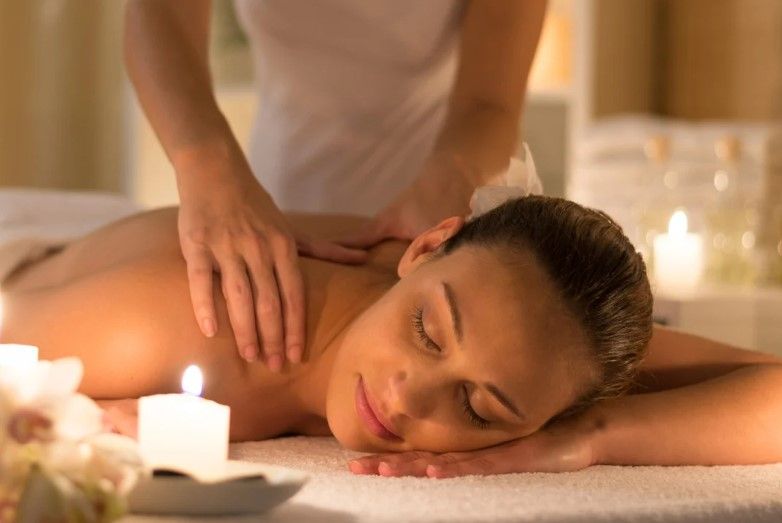
The popularity of a Neck, Back and Shoulder Massage makes sense when you consider how much modern life happens while sitting. Office work may involve hours at a computer. Travel adds time in planes, taxis and rental cars. Leisure often means more screen use. Even a well-designed chair cannot remove all discomfort if the body stays still for long stretches.
Screen habits and static positions
A low laptop can encourage the head to move forward and the shoulders to round. Holding that position for a few seconds is usually not a problem, but repeating it for hours can contribute to fatigue. Cleveland Clinic advises ergonomic screen positioning to reduce unnecessary strain and emphasizes regular movement because the body is not designed to remain static all day.
That is why a Neck, Back and Shoulder Massage should not be treated as a substitute for basic ergonomics. Raise a low screen, use a supportive chair, keep frequently used items within easy reach and stand up regularly. When these habits improve, a Neck, Back and Shoulder Massage becomes an additional recovery tool instead of a temporary answer to a workstation problem that remains unchanged.
Travel, luggage and unfamiliar sleeping positions
Travel introduces different challenges. A shoulder may carry a laptop bag through an airport. A neck may spend a flight leaning toward a window. A hotel pillow may feel very different from the one you use at home. These are ordinary experiences, but together they can make the upper body feel tired.
For healthy travelers with uncomplicated muscular tension, a Neck, Back and Shoulder Massage can be a pleasant way to slow down after arrival in Paphos. The treatment should be comfortable and tailored to your current condition. If you are dehydrated, unwell or experiencing unusual symptoms, recover first and discuss any concerns before scheduling a Neck, Back and Shoulder Massage.
What Can a Neck, Back and Shoulder Massage Realistically Do?
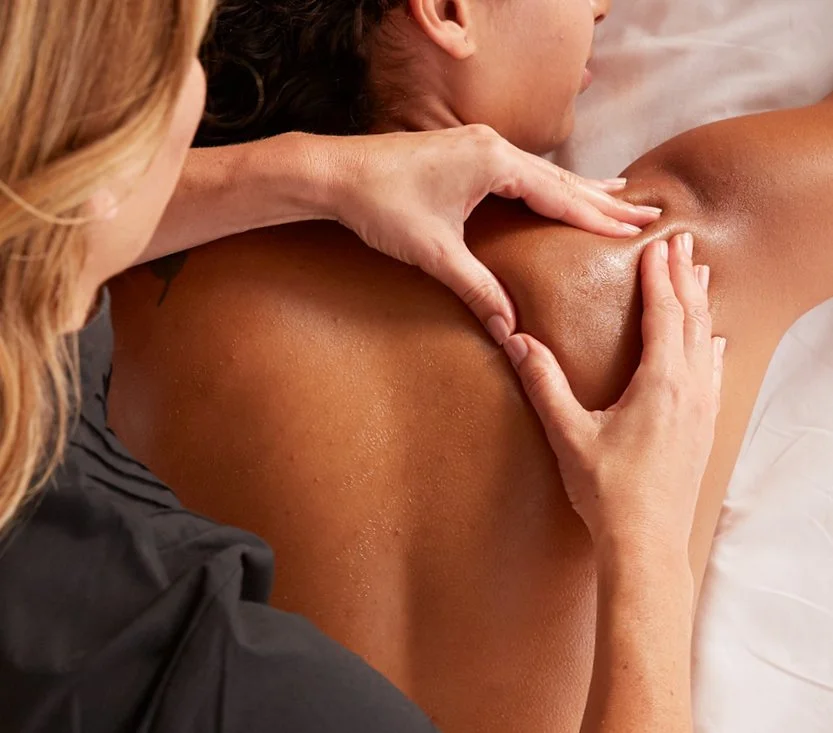
A Neck, Back and Shoulder Massage is often chosen because it feels relaxing and because people want temporary relief from everyday muscular tightness. The National Center for Complementary and Integrative Health reports that massage may provide short-term benefits for neck or shoulder pain, while evidence quality varies and long-term effects are less certain.
A 2013 systematic review found immediate benefits of massage compared with inactive therapies for neck and shoulder pain, but massage was not shown to be superior to other active therapies. A more recent systematic review of massage for neck pain also found that results varied depending on the comparison treatment and that evidence was limited by factors including imprecision and risk of bias. This is why a Neck, Back and Shoulder Massage should be described in realistic terms.
Reasonable goals for your session
- Feel more relaxed through the upper body.
- Reduce the sensation of ordinary muscular tightness.
- Create a quiet break from screens, travel or a demanding workday.
- Become more aware of where you habitually hold tension.
- Support a broader wellness routine that includes movement and recovery.
A Neck, Back and Shoulder Massage should not promise to correct spinal alignment, permanently remove chronic pain or treat neurological symptoms. Those claims go beyond what a spa treatment can responsibly guarantee. The value of a Neck, Back and Shoulder Massage lies in skilled touch, appropriate pressure, a calming environment and focused attention to areas that often feel overworked.
Why short-term relief can still be useful
Temporary does not mean meaningless. A period of reduced tightness can make it easier to notice how your body feels when it is not bracing. It may encourage you to move more comfortably, adjust your desk or become more conscious of shoulder position during stressful tasks. A Neck, Back and Shoulder Massage can therefore act as a useful reset even when it is not a permanent solution.
The key is expectation. If your main goal is relaxation after a busy week or relief from uncomplicated upper-body tension, a Neck, Back and Shoulder Massage may be a good fit. If your goal is to diagnose the cause of persistent pain or restore function after injury, you need an appropriate healthcare professional as well.
What to Expect During a Neck, Back and Shoulder Massage

Before the treatment
A professional Neck, Back and Shoulder Massage should begin with a brief conversation. Tell the therapist where you feel tension, whether one side is more sensitive, what level of pressure you prefer and whether you have any injuries or health concerns. Mention recent surgery, skin irritation, significant medical conditions, pregnancy or anything else that could change how the treatment should be performed.
You do not need to arrive knowing exactly which muscle is causing the problem. Simply describe what you feel and when you notice it. A Neck, Back and Shoulder Massage should be adapted to the person, not delivered as the same fixed routine to everyone.
During the session
The therapist may use broad strokes across the back, kneading around the shoulders and gentler techniques along the neck. Pressure can range from light to firm depending on the service and your preference. Communication matters. If a Neck, Back and Shoulder Massage feels too intense, sharp or uncomfortable, say so immediately. Pain is not proof that the treatment is working.
You may notice one side feels tighter than the other, especially if you carry a bag on one shoulder, use a mouse with the same hand all day or sleep in a consistent position. A Neck, Back and Shoulder Massage can be adjusted so more time is spent on the areas that feel most tired without forcing pressure into sensitive tissue.
After the session
After a Neck, Back and Shoulder Massage, stand up gradually and give yourself a moment before rushing into your next activity. There is no need for an extreme detox routine. Drink according to your normal needs and pay attention to how your body feels. If possible, preserve some of the relaxed feeling with a short walk, gentle movement or a quieter period away from your phone.
If you repeatedly book a Neck, Back and Shoulder Massage for the same tension, use the experience as information. Ask what tends to happen before the tightness returns. Perhaps your monitor is low, your workday lacks breaks or your luggage is always carried on the same side. The massage can help you feel better in the moment, while small daily adjustments may help reduce the cycle.
When Massage Should Not Be Your First Step

Most ordinary muscle tension is not an emergency, but not every neck or back symptom belongs in a spa. A Neck, Back and Shoulder Massage should be postponed when symptoms suggest an injury or another condition that requires assessment first.
Mayo Clinic advises seeking medical attention for neck pain that is severe after an injury or is accompanied by weakness, numbness, tingling, fever or pain that radiates into the arms or legs. Its back pain guidance also lists warning signs such as new bowel or bladder problems, fever, significant trauma, unexplained weight loss, weakness or numbness.
Pause and seek medical advice if you have
- Severe pain after a fall, collision or other injury.
- New weakness, numbness or tingling in an arm or leg.
- Neck or back pain accompanied by fever.
- New bowel or bladder control problems.
- Unexplained swelling, significant redness or an acute skin infection in the treatment area.
- Pain that is progressively worsening or disrupting normal function.
- Any symptom that feels unusual, alarming or different from your typical muscular tension.
In these situations, do not use a Neck, Back and Shoulder Massage to test whether the problem improves. Appropriate assessment should come first. Once a healthcare professional confirms that massage is suitable, you can return to a Neck, Back and Shoulder Massage with clearer guidance about pressure, positioning and areas to avoid.
Frequently Asked Questions About Neck, Back and Shoulder Massage

Is a Neck, Back and Shoulder Massage good for office workers?
Yes, it can be a useful relaxation option for office workers who experience ordinary stiffness from long periods of sitting or screen use. A Neck, Back and Shoulder Massage works best when paired with regular movement and a better desk setup. If pain is persistent, severe or accompanied by neurological symptoms, seek professional medical advice rather than relying on massage alone.
Can a Neck, Back and Shoulder Massage help after a long flight?
For a healthy traveler with simple muscular tiredness, a Neck, Back and Shoulder Massage can be a pleasant way to unwind after sitting for hours. Tell the therapist how you feel and mention any medical concerns, recent procedures or unusual swelling. If symptoms after travel are concerning rather than simply stiff or tired, obtain medical advice before massage.
How often should I book a Neck, Back and Shoulder Massage?
There is no universal schedule. Some people choose a Neck, Back and Shoulder Massage occasionally after a demanding week or journey, while others prefer regular sessions as part of a wellness routine. Frequency should depend on your comfort, goals and response. If you need very frequent massage simply to function normally, investigate the underlying cause of your symptoms.
Should a Neck, Back and Shoulder Massage hurt?
No. A Neck, Back and Shoulder Massage may involve firm pressure, but the pressure should remain within your comfort level. Sharp pain, numbness, tingling or dizziness are reasons to ask the therapist to stop or modify the technique. Effective massage does not require you to tolerate pain.
What should I wear for a Neck, Back and Shoulder Massage?
The spa will explain how the treatment is performed and what clothing needs to be adjusted or removed. Professional draping should protect privacy while allowing access to the treatment area. If you are coming directly from sightseeing or work in Paphos, comfortable clothing can make the transition into your Neck, Back and Shoulder Massage easier.
Can massage fix poor posture?
A Neck, Back and Shoulder Massage can relax tight-feeling muscles, but it does not permanently correct posture by itself. Your daily setup, movement habits, strength, mobility and the amount of time you stay in one position all matter. Treat massage as supportive care rather than a substitute for addressing the habits that repeatedly create strain.
Give Your Upper Body Time to Reset at Six Senses in Paphos
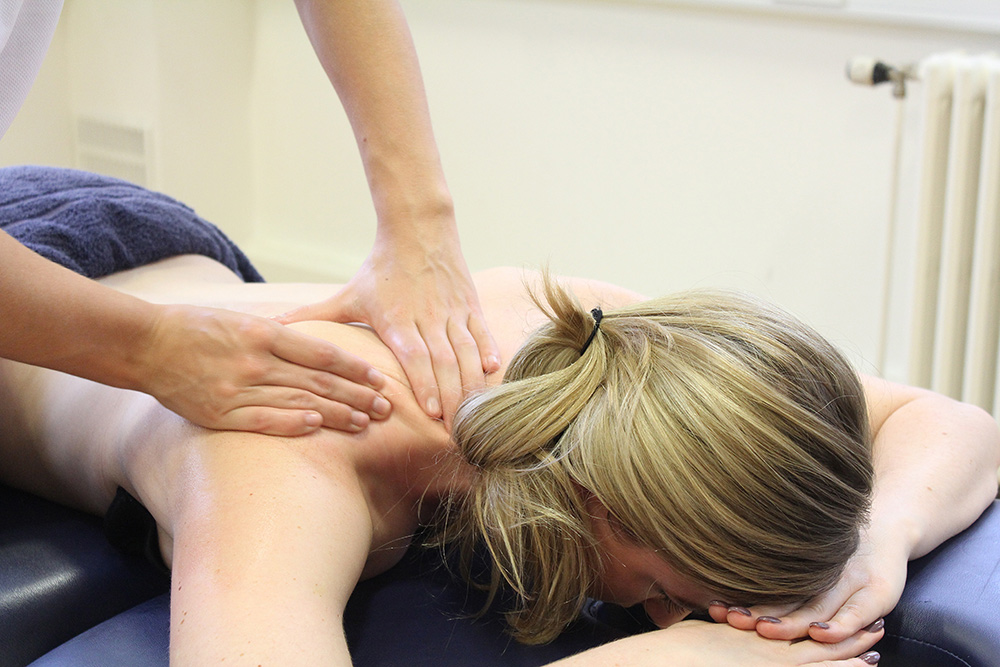
If several of these signs feel familiar, your body may be telling you that your current recovery routine is not keeping pace with work, travel or stress. A Neck, Back and Shoulder Massage offers dedicated time for the areas that often carry that load first. It can be especially valuable when you want focused relaxation without committing to a full-body treatment.
At Six Senses in Paphos, a Neck, Back and Shoulder Massage can fit naturally into a holiday, a post-flight recovery day or a self-care routine after a demanding period at work. The goal is simple: give tired areas professional attention in a calm setting and leave with a greater sense of ease.
Remember that the best results often come from combining a Neck, Back and Shoulder Massage with habits that support your body between sessions. Move throughout the day, review your workstation, avoid carrying heavy bags on the same side for long periods and pay attention to how stress changes your posture. Massage can provide a reset, while those daily choices help reduce the repeated triggers.
If your symptoms are ordinary muscular tension and relaxation is your goal, consider making time for a Neck, Back and Shoulder Massage in Paphos. Give your neck, back and shoulders the care they need and book your massage session at Six Senses today.