
No products in the cart.
Blogs, Consultation
Relaxing Massage in 2026: A Simple Way to Unwind and Recharge
Stress rarely arrives all at once. It often builds through deadlines, travel, long hours at a desk, poor sleep, physical activity and the constant pressure to stay switched on. When your shoulders feel tight and your energy starts to dip, a Relaxing Massage can create a deliberate pause in the day. Rather than promising a cure for stress or fatigue, it offers something simpler and more realistic: time to slow down, release everyday muscle tension and focus on rest.
In 2026, wellness is increasingly about practical recovery rather than complicated routines. For people dealing with daily tension, a Relaxing Massage can fit naturally into that approach. This guide explains what the treatment involves, why people choose it, what benefits are reasonable to expect and when you should speak with a healthcare professional before booking.
What Is a Relaxing Massage and Why Do People Choose It?
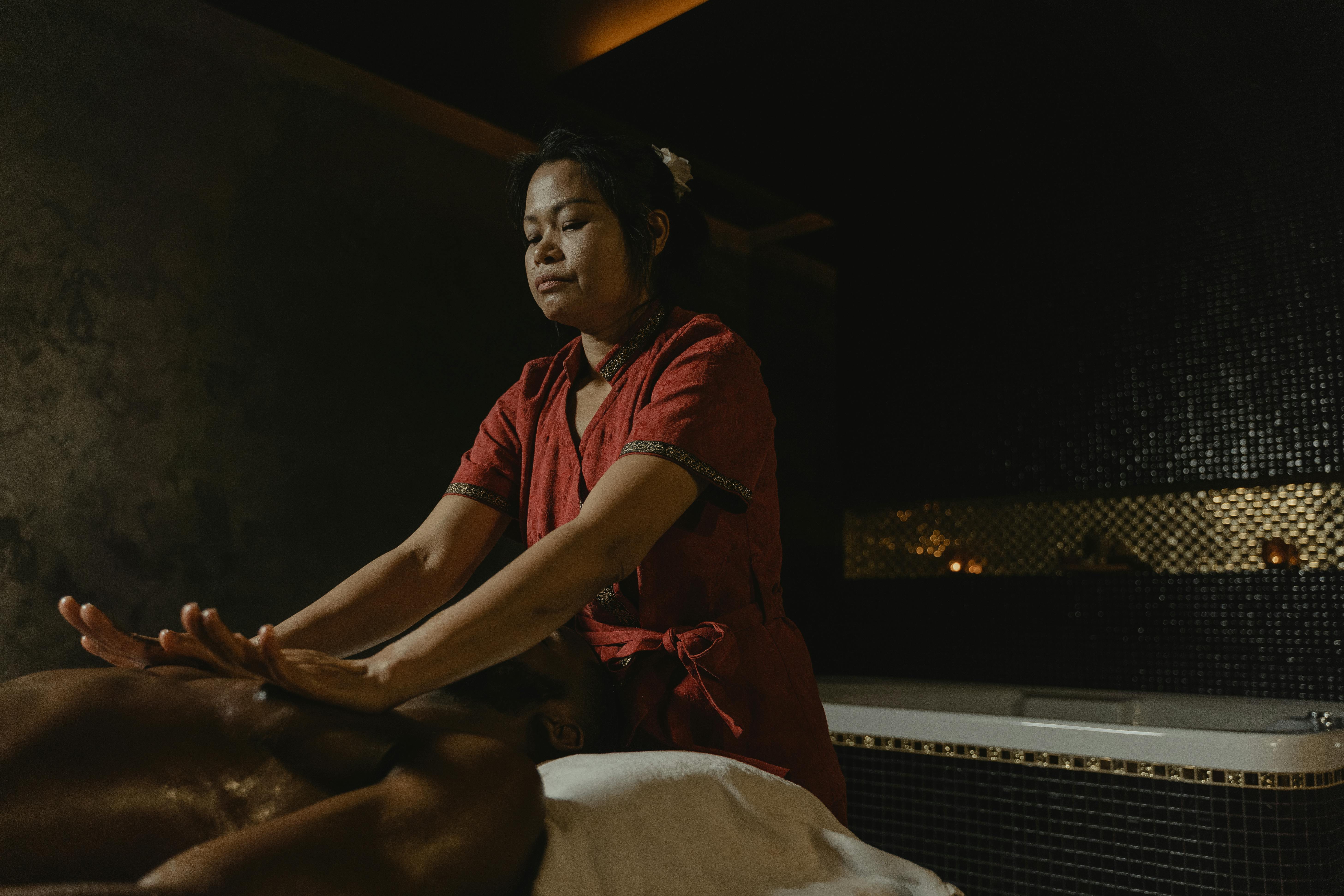
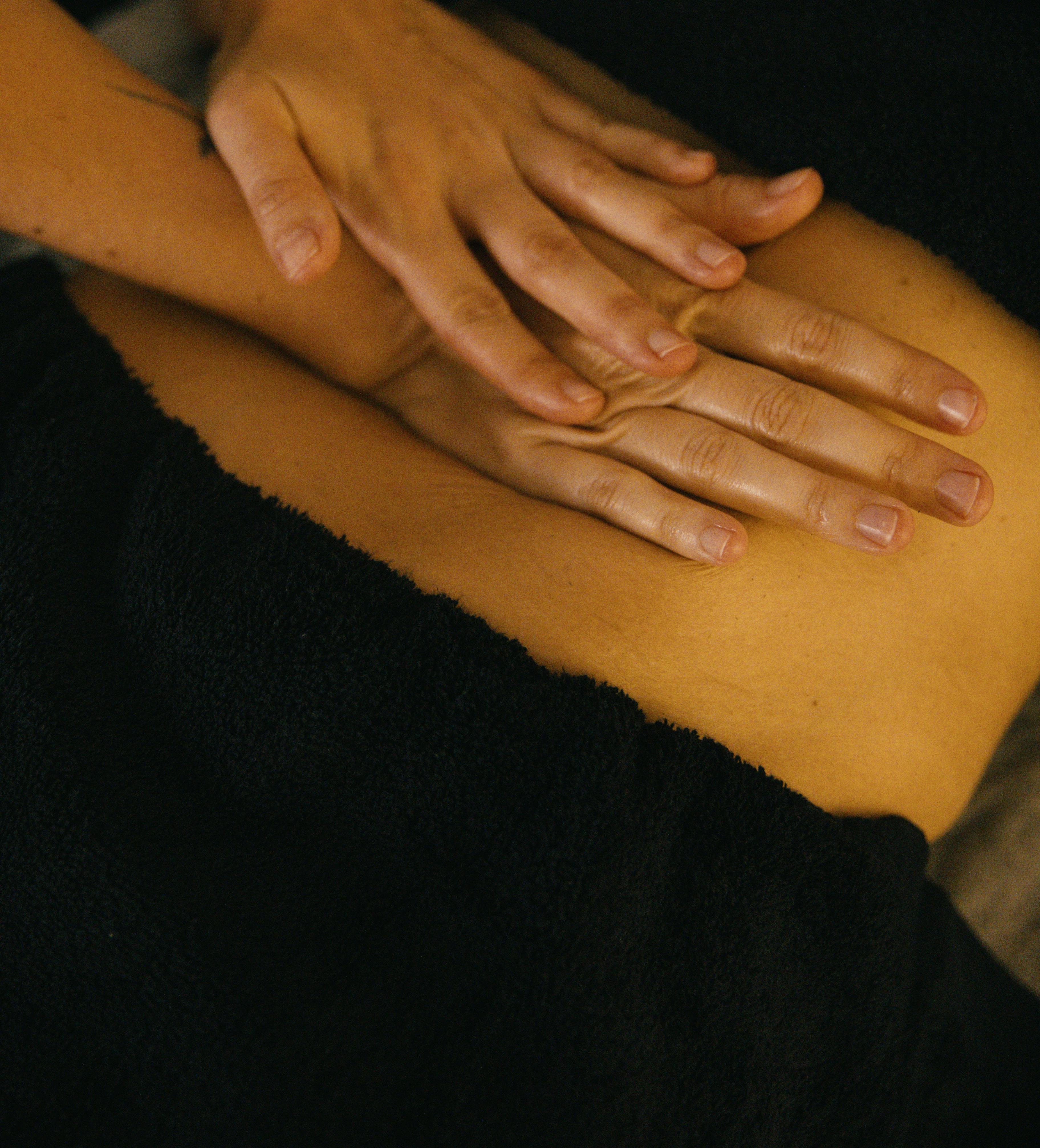
A Relaxing Massage is generally designed around comfort rather than intense pressure. The therapist usually works with slow, flowing strokes, gentle kneading and steady rhythm across areas such as the back, shoulders, neck, arms and legs. The exact technique can vary, but the experience is typically quieter and less targeted than sports or deep tissue massage.
People often choose this style of massage when they feel mentally overloaded, physically tired or simply in need of uninterrupted rest. Mayo Clinic notes that massage therapy is commonly used to support relaxation and may help ease stress, muscle stiffness and tension. The response varies from person to person, and massage should be viewed as a wellness practice rather than a substitute for medical care.
Relaxation rather than aggressive pressure
The goal is not to make the body tolerate the strongest possible pressure. A good Relaxing Massage should feel comfortable enough for you to stop bracing and settle into the session. If a technique becomes painful, ask the therapist to adjust the pressure. Cleveland Clinic also advises communicating about comfort during massage because techniques can range from very gentle to much firmer work.
A useful pause for busy routines
For someone moving between work, travel, family responsibilities and exercise, a massage appointment can become protected recovery time. There is no need to turn that pause into another performance goal. The value may simply be in lying still, breathing more slowly and allowing tired muscles to receive focused attention.
7 Ways Relaxing Massage May Help You Unwind and Recharge
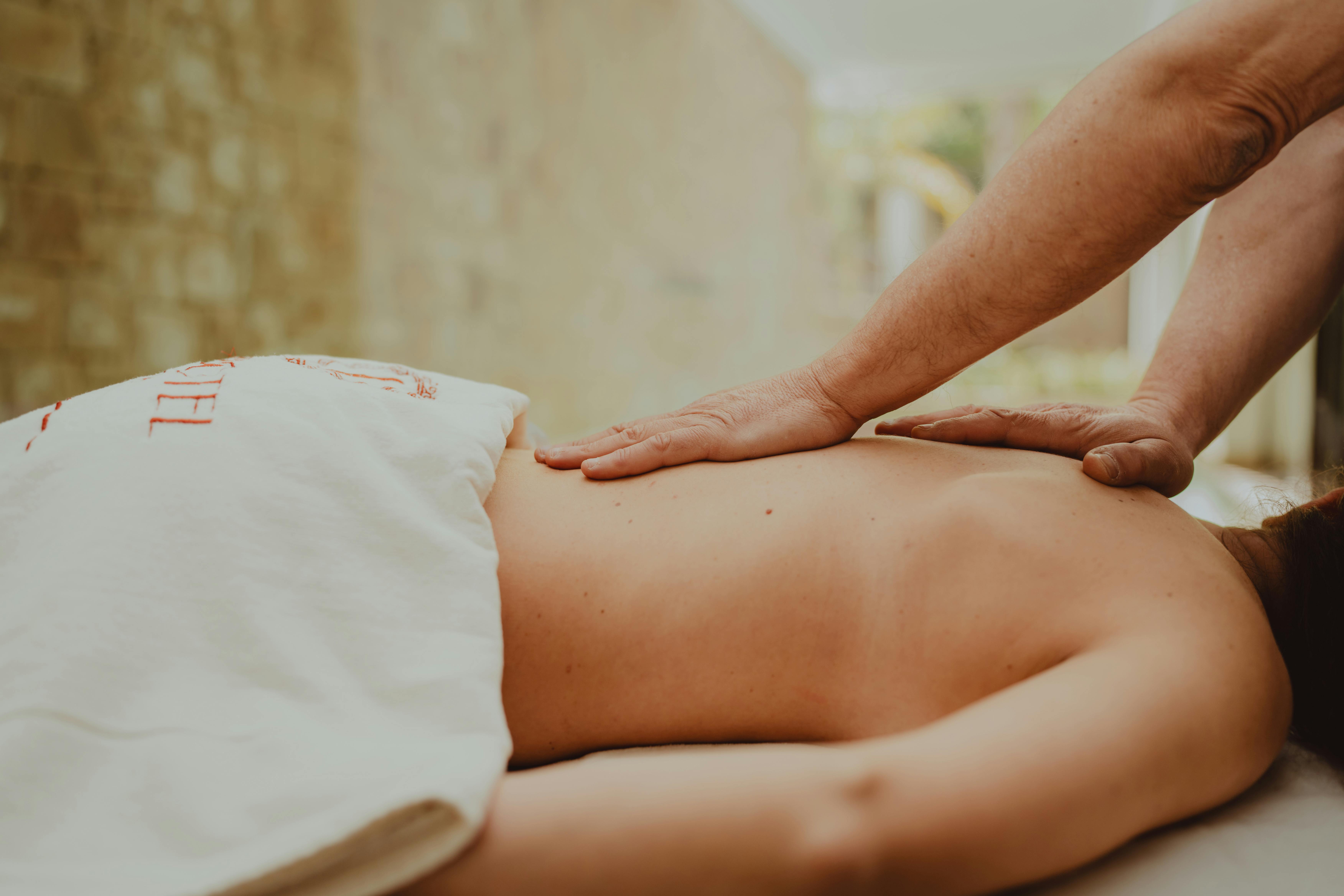
1. It gives your body permission to slow down
Many people stay physically tense even after work has ended. The jaw remains tight, the shoulders stay raised and the mind continues running through unfinished tasks. A Relaxing Massage creates a setting where slowing down is the main purpose. The combination of touch, a quiet environment and reduced stimulation may make it easier to shift attention away from the pace of the day.
2. It may ease everyday muscle tension
Desk work, driving, carrying bags and repetitive movement can leave muscles feeling tight or sore. Gentle massage techniques work directly with soft tissue and can help people feel less tense afterward. Mayo Clinic lists easing muscle stiffness and tension among the potential benefits of massage therapy, while noting that effects differ depending on the individual and the concern being addressed.
3. It can support stress relief
Relaxation is one of the most common reasons people book massage. A Relaxing Massage does not remove the causes of stress, but it can create a calm interval in which you are not answering messages, making decisions or rushing to the next task. Cleveland Clinic describes massage as a tool that may help release stress and tension and support wellness.
4. It can make recovery feel more intentional
Fatigue is not always solved by doing nothing. Sometimes people need a clear transition from activity into rest. Scheduling a Relaxing Massage after a demanding week, a long journey or several active days can turn recovery into something intentional. It may also encourage you to pair massage with other helpful basics such as sleep, hydration, comfortable movement and time away from screens.
5. It may help you notice where you hold tension
During a session, you may become more aware of areas that habitually feel tight, such as the upper back, neck or shoulders. This does not mean the therapist is diagnosing a condition. Instead, a Relaxing Massage can give you quiet time to notice patterns you normally ignore and decide whether simple changes to posture, workload, movement or rest may be useful.
6. It offers a low-demand form of self-care
Some wellness habits require concentration, training or motivation. Massage asks very little of you once the session begins. You can simply rest while the therapist works. For people who feel mentally drained, that low-demand quality can be part of the appeal of a Relaxing Massage.
7. It can leave you feeling refreshed without an intense treatment
Not everyone wants deep pressure or a highly targeted treatment. A gentle session can still feel meaningful when the goal is to unwind rather than work aggressively on a specific problem. For people who are tired, stressed or new to massage, this softer approach may be easier to enjoy.
What Happens During a Professional Relaxing Massage?
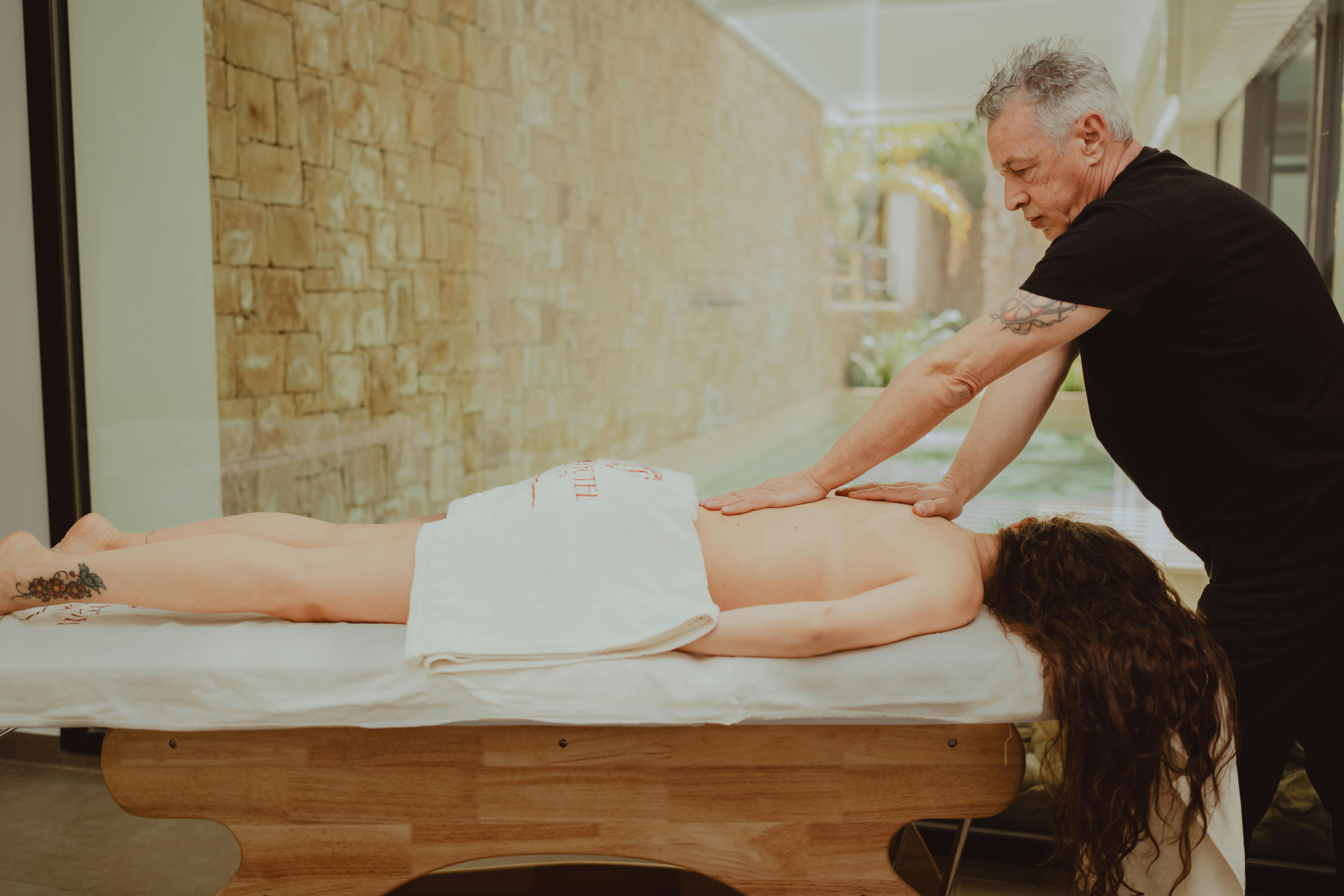
A professional session should begin with a brief conversation. Your therapist may ask about areas of tension, recent injuries, health concerns and your pressure preference. This is also the right time to mention pregnancy, surgery, medications that affect bleeding, reduced sensation or any condition that may change how massage should be performed.
Pressure should be comfortable
During a Relaxing Massage, the therapist may use gliding strokes, gentle kneading and slow rhythmic movements. Pressure should feel soothing rather than sharp. You are not expected to remain silent if something feels uncomfortable. Asking for lighter pressure is a normal part of receiving a massage.
The session should feel personal, not mechanical
Two people can book the same service and need different experiences. One person may want extra attention around the shoulders after computer work, while another may prefer a more balanced full body massage after travel. A good Relaxing Massage responds to those preferences while staying within the scope of a wellness treatment.
After the massage
Many people prefer to keep the period after massage relatively calm. Give yourself a few minutes before rushing back into a demanding schedule. Drink normally according to your thirst, move gently and notice how you feel. You do not need a complicated detox routine after a Relaxing Massage.
Thinking about taking a real break from the pace of the day? At Six Senses in Paphos, you can make relaxation the purpose of the appointment. Take time to slow down and recharge with a Relaxing Massage designed around comfort and calm.
Relaxing Massage for Stress, Fatigue and Daily Tension

Stress, tiredness and muscle tension often overlap, but they are not the same thing. Understanding what you are actually feeling helps you set realistic expectations for a Relaxing Massage.
| How you feel | How massage may fit | What else may help |
|---|---|---|
| Mentally stressed | Creates quiet, low-stimulation recovery time | Sleep, boundaries, movement and stress management |
| Physically tired | Offers passive rest and gentle soft tissue work | Sleep, nutrition, hydration and lighter activity |
| Everyday muscle tension | May help muscles feel more comfortable and relaxed | Movement breaks, posture changes and appropriate exercise |
| Persistent or severe symptoms | Massage may not be the right first step | Assessment by a qualified healthcare professional |
For people with demanding workdays
If you spend hours at a computer or on your feet, a Relaxing Massage can mark the end of a demanding work period. The treatment is not meant to correct every postural problem, but it may provide temporary comfort and help you feel less wound up.
For travelers in Paphos
Travel combines excitement with disrupted routines, unfamiliar beds, airport waiting and long periods of sitting or walking. A Relaxing Massage can be a simple way to create a slower moment during a busy itinerary. If you are visiting Paphos and your body feels generally tired rather than injured, a gentle spa session may fit naturally into a rest day.
For active adults
After exercise, some people prefer a sports-focused treatment, while others simply want calm. If your main goal is relaxation rather than performance recovery, a Relaxing Massage may be the more comfortable choice. Tell the therapist if any area is unusually sore so pressure can be adapted.
How to Get More from Your Relaxing Massage
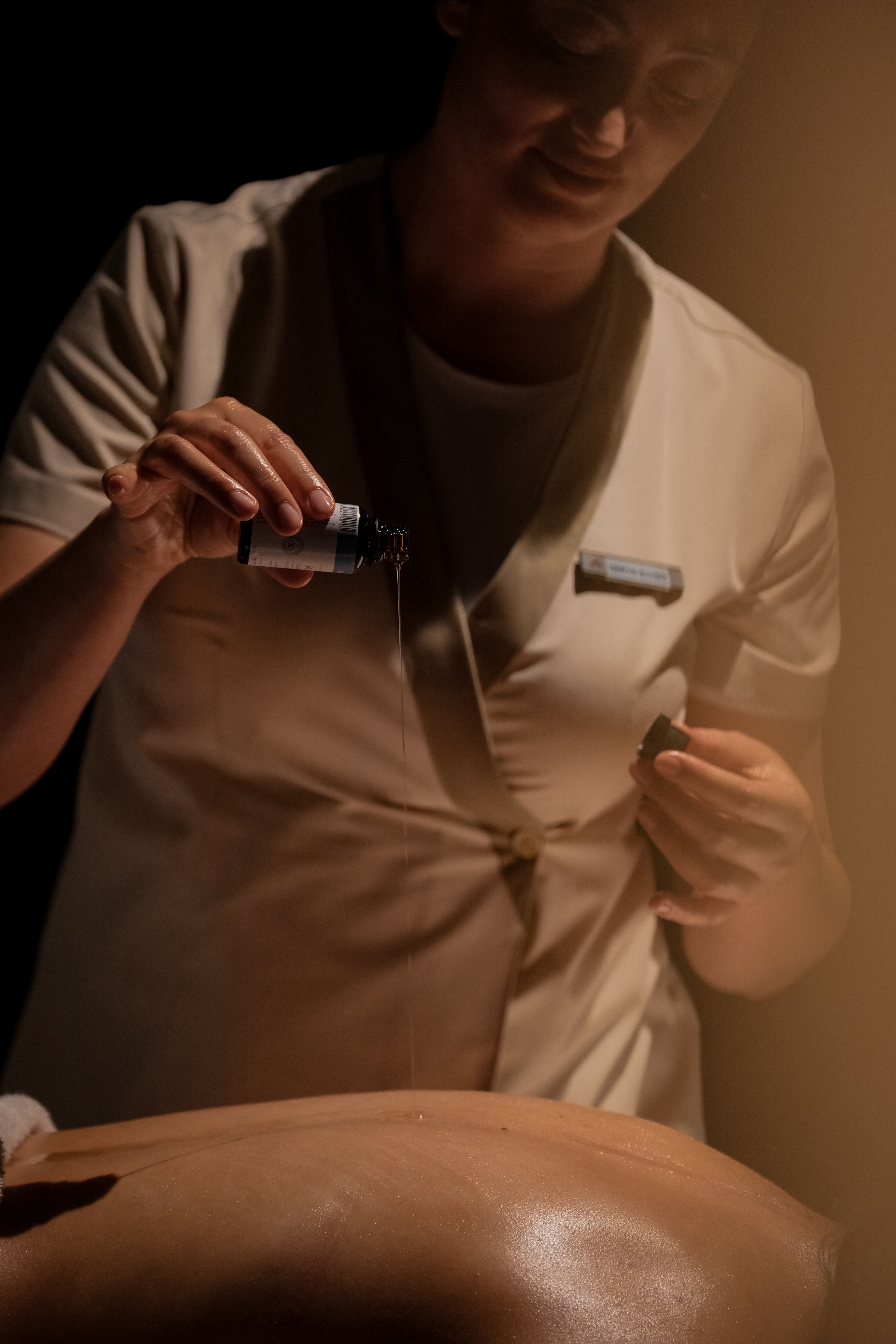
You do not need extensive preparation, but a few simple choices can make the experience more comfortable.
- Arrive with enough time so you are not rushing into the treatment.
- Tell your therapist about recent injuries, health conditions or sensitive areas.
- Explain whether you prefer light or moderate pressure.
- Speak up immediately if pressure becomes painful or uncomfortable.
- Put your phone away if possible and allow the appointment to remain interruption free.
- Avoid treating massage as a replacement for sleep, medical care or recovery from an injury.
Choose the experience that matches your goal
If your priority is calm, say so. There is no benefit in choosing intense pressure simply because it sounds more therapeutic. A Relaxing Massage is successful when it matches your purpose and leaves you feeling comfortable rather than overwhelmed.
Build a realistic wellness routine
Massage works best as one part of a broader self-care routine. Adequate sleep, regular movement, breaks from prolonged sitting, balanced meals and stress management still matter. A Relaxing Massage can complement those habits by giving you scheduled time to stop and reset.
At Six Senses in Paphos, the goal is not to turn relaxation into another task on your list. It is to give you a dedicated window for rest. If daily tension has been building, take time to slow down and recharge by booking your Relaxing Massage today.
When Should You Check with a Healthcare Professional Before Massage?
Massage is generally considered low risk when performed appropriately by a trained professional, but there are situations where extra caution is important. Mayo Clinic advises speaking with a healthcare professional before massage if you have certain conditions, including a recent blood clot, bleeding disorder, use of blood-thinning medication, burns, fractures or severe osteoporosis.
You should also tell the therapist about recent surgery, acute injury, pregnancy, skin problems or areas with reduced sensation. NCCIH notes that massage appears to have few risks when delivered by a trained practitioner, while emphasizing the need for precautions with some health conditions.
Do not use massage to ignore warning signs
A Relaxing Massage is intended for wellness and ordinary tension. Severe or unexplained pain, sudden swelling, significant numbness, fever, an open wound or symptoms that are getting worse deserve medical assessment. If you are unsure whether massage is suitable, ask a qualified healthcare professional first.
Frequently Asked Questions About Relaxing Massage
Is a Relaxing Massage good for stress?
It can be a useful wellness option when everyday stress leaves you feeling tense or mentally overloaded. Massage may support relaxation and help ease muscle tension, although it does not remove the underlying causes of chronic stress. If stress is persistent or significantly affects your daily life, consider discussing it with an appropriate healthcare professional as well.
Is Relaxing Massage the same as deep tissue massage?
No. A Relaxing Massage usually emphasizes gentle to moderate pressure, flowing movements and overall comfort. Deep tissue work generally uses more focused techniques and may involve stronger pressure on specific areas. The better option depends on your goal and how much pressure you comfortably tolerate.
How long should a Relaxing Massage last?
There is no single perfect duration. A shorter session can focus on key areas, while a longer session allows more time for a full body approach. Choose a duration that fits your schedule, comfort and reason for booking rather than assuming longer is always better.
Can I book a Relaxing Massage when I feel tired?
Yes, if the tiredness is ordinary fatigue from work, travel or a busy routine and you otherwise feel well. A gentle session can provide quiet recovery time without requiring physical effort. Unexplained or persistent fatigue, especially when accompanied by other symptoms, should be discussed with a healthcare professional rather than managed only with massage.
How often should I have a Relaxing Massage?
There is no universal schedule. Some people book occasionally after stressful periods, while others include massage regularly in their wellness routine. Frequency should reflect your preferences, budget, health situation and how you respond to each session.
What should I tell the therapist before the session?
Mention current pain, recent injuries or surgery, pregnancy, health conditions, sensitive areas and your preferred pressure. The therapist should also know if you take medication or have a condition that could affect massage safety. Clear communication helps make a Relaxing Massage more comfortable and appropriate for you.
Where can I book a Relaxing Massage in Paphos?
If you are in Paphos and want dedicated time to unwind, Six Senses offers a setting focused on rest and personal comfort. Choose your preferred session and share any pressure preferences before treatment. Take time to slow down and recharge – book your Relaxing Massage today.