
No products in the cart.
Massage & Spa Journal
What Does Research Say About Massage Therapy?
suggests that massage may offer short-term relief for some types of pain. The strength of the evidence varies by condition, and lasting benefits are less clear. Research on anxiety is limited and often focuses on people with specific health conditions.
For everyday expectations, read our guide to massage health benefits.
Why Relaxation and Clinical Outcomes Are Different
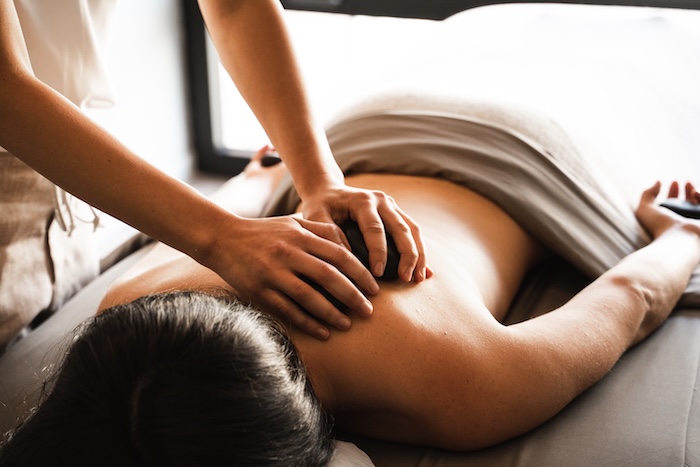
Someone with tight shoulders may notice greater comfort after a session. That improvement can be valuable, yet the underlying cause of recurring discomfort may involve workstation habits, activity levels, sleep or a medical condition requiring separate attention.
Massage is best considered a complementary wellness option rather than a replacement for medical assessment or treatment. Setting realistic expectations makes it easier to appreciate the experience without assuming results that have not been demonstrated.
What Massage Therapy Research Says About Pain and Anxiety
| Outcome | What research suggests | What remains uncertain |
|---|---|---|
| Low back pain | Possible short-term relief. | How long relief lasts and whether everyday function improves. |
| Neck pain | Results vary across studies and comparison treatments. | How much relief to expect over time. |
| Anxiety | Some studies report relief in specific patient groups. | Whether those findings apply more broadly. |
Low back pain
Some studies suggest short-term relief, with limited confidence in the findings. A 2024 review in JAMA Network Open found that few conclusions across adult pain conditions were supported by more than low-certainty evidence. For low back pain specifically, the NCCIH evidence summary describes possible short-term benefits and limitations in the underlying research.
Neck pain
A systematic review of massage for neck pain found that the certainty of short-term evidence varied across comparisons. Differences in treatment schedules and comparison groups make it difficult to predict how much relief an individual might experience or how long it will last.
Anxiety
In studies involving people receiving cancer care, massage sometimes eased anxiety, but results were inconsistent and the evidence was very uncertain. These findings offer limited guidance for people with anxiety disorders. See NCCIH’s discussion of massage in supportive cancer care.
Why results vary
Massage therapy research covers a range of techniques and treatment schedules. Participants often know which treatment they receive, which can affect self-reported outcomes. Small samples and short follow-up periods also limit what researchers can conclude.
What Does Short-Term Relief Mean in a Massage Study?
In massage therapy research, participants may be asked to rate their pain at the end of a session, after a series of sessions, or again several weeks later. Those time points answer different questions. If a study measures pain only at the end of treatment, its results tell us how participants felt at that point. A later assessment would help show whether the change lasted.
It also matters what the researchers measured. A lower pain score and an improvement in daily activities are separate outcomes. For example, a study might ask whether someone can turn their head more comfortably while driving or sit at a desk for longer. If researchers only asked about pain intensity, readers cannot infer how those activities changed.
Finally, check what the comparison group received. A study that compares massage with a waiting list answers a different question from one that compares massage with another hands-on treatment. Keep that comparison in mind when reading a headline about what massage can do.
How to Evaluate Claims Based on Massage Therapy Research
- Check who was studied. Results in one group may have limited relevance to other people.
- Check the comparison. Look for what the other participants received and how the study measured the result.
- Check the follow-up. An immediate change in comfort tells you little about how someone feels weeks later.
The video illustrates a massage technique. If you’d like to see what a spa session focused on these areas looks like, explore our neck, back and shoulder massage. For practical guidance, see how to choose a massage. For safety information, see NCCIH guidance on massage therapy.