
No products in the cart.
Blogs
Hot Stone Therapy Explained: What It Is, How It Works and What to Expect
Imagine stepping away from a busy day and experiencing the gentle warmth of smooth stones moving across tired muscles. For many first-time spa visitors, hot stone therapy sounds appealing, yet the actual process can feel unfamiliar. Are the stones extremely hot? Does the treatment involve deep pressure? What should you expect before booking?
Understanding hot stone therapy helps you approach your appointment with realistic expectations. This popular spa treatment combines carefully controlled warmth with massage movements to create a soothing experience. Although it is frequently associated with relaxation and temporary muscle comfort, it is important to distinguish these possible benefits from unsupported medical claims.
Whether you live in Cyprus or are visiting Paphos, this guide explains how hot stone therapy works, what happens during a typical appointment, who should seek additional advice and how to decide whether the experience suits your preferences. At Six Senses, we believe understanding your treatment is an important part of choosing your spa experience confidently.
What Is Hot Stone Therapy?

Hot stone therapy is a form of massage that incorporates specially prepared, smooth stones warmed to a controlled temperature. The stones may be placed temporarily on selected areas of the body or used directly during flowing massage movements. Depending on the treatment, traditional hand techniques may be incorporated throughout the appointment.
Unlike an ordinary massage, hot stone therapy introduces warmth as an additional sensory element. The objective is generally to promote comfort, relaxation and a pleasant massage experience rather than to treat a specific medical condition.
The Origins and Principles of Heated Stone Massage
Heated stones have appeared in different cultural wellness practices over many centuries. However, the modern spa treatment should not be presented as one continuous, scientifically established tradition. Contemporary approaches combine temperature-controlled stones with established massage movements and professional safety practices.
The defining principle of hot stone therapy is the careful application of warmth alongside touch. Different spas may use different sequences, positioning methods and massage pressures, so no two experiences are necessarily identical.
Why Smooth Basalt Stones Are Commonly Used
Basalt is a dense volcanic rock commonly selected because it can retain warmth and offers a smooth surface when properly prepared. Rounded edges allow the stones to move comfortably across the skin without creating unnecessary friction.
Professional stone selection also considers size, weight, cleanliness and suitability for different body areas. The stones should feel comfortably warm, never painfully hot. Appropriate handling matters more than the appearance or perceived luxury of the equipment.
How Does Hot Stone Therapy Work?
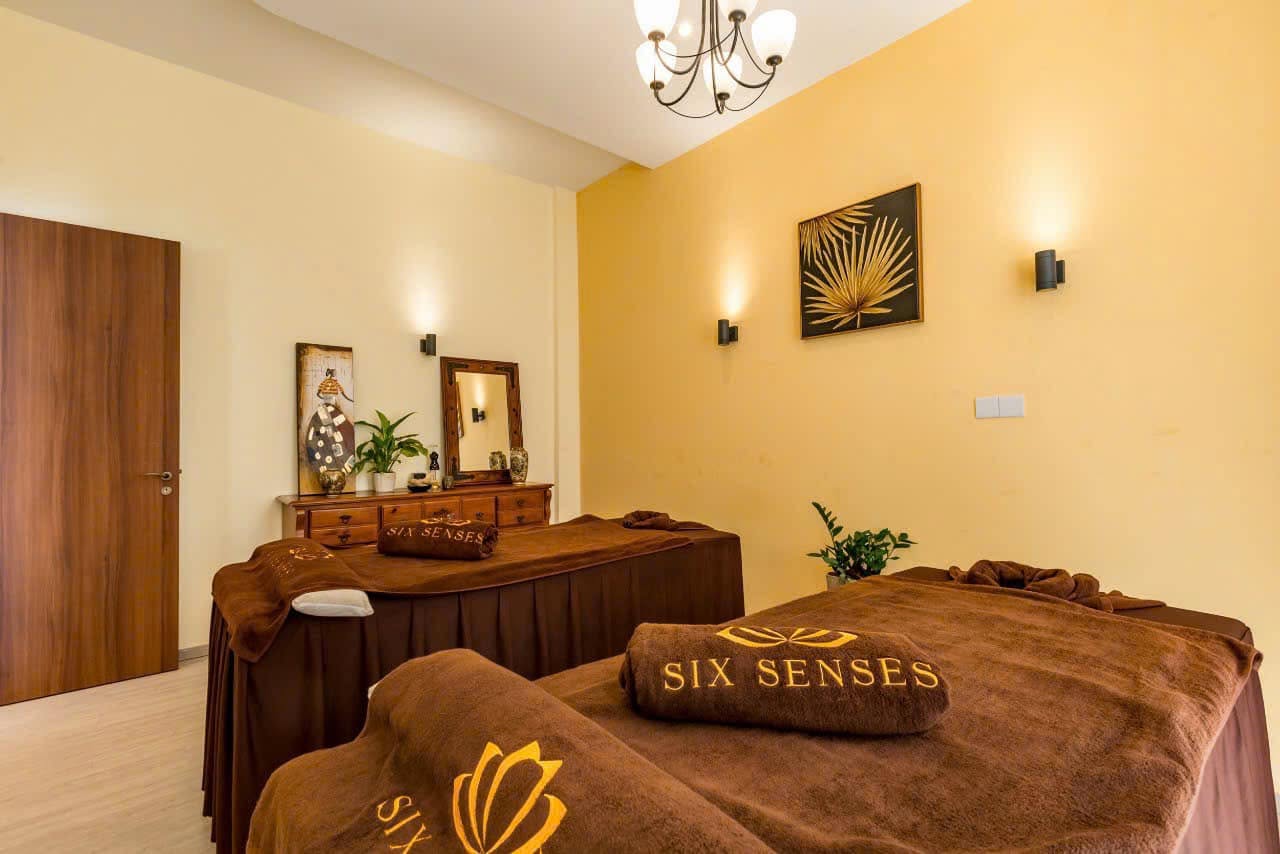
To understand hot stone therapy, it helps to separate two components: the sensation produced by warm stones and the physical effects of massage movements. These elements work together to create an experience that many clients describe as calming.
The Role of Controlled Heat
Warmth stimulates temperature-sensitive receptors in the skin and may temporarily make an area feel more comfortable. Some people notice a pleasant reduction in the sensation of tightness when gentle heat is applied. However, this does not establish that the treatment repairs damaged tissue or corrects an underlying muscular problem.
During hot stone therapy, stones should be warmed using equipment designed for safe temperature control. Their temperature must be checked before application, and the person providing the massage should monitor comfort throughout the session.
Heat should never be used to overcome discomfort. If the stones feel too warm, immediate adjustment or removal is appropriate. A pleasant warming sensation is the goal, not intense heat.
How Warm Stones and Massage Techniques Work Together
In a typical treatment, smooth stones may glide across the back, shoulders, arms or legs using controlled movements. Massage oil may be used to reduce friction, depending on individual preferences and the treatment protocol.
The pressure can range from light to moderate. Some treatments incorporate deeper movements, but stronger pressure is not essential to hot stone therapy. Clients who prefer a gentler approach should communicate that preference before the massage begins.
Stone placement and movement should be adapted to individual comfort rather than following a rigid sequence. The combination of warmth, rhythmic touch and a quiet environment may encourage a sense of relaxation.
Potential Benefits of Hot Stone Therapy

People often explore hot stone therapy because they want to unwind, feel more comfortable or enjoy a different type of massage. While massage research suggests possible short-term benefits for certain symptoms, evidence specifically examining heated stone techniques remains limited.
Relaxation and Stress Management
One of the most common reasons for choosing hot stone therapy is the desire for a peaceful break from everyday responsibilities. Gentle warmth, steady massage movements and a calm setting can make the experience subjectively relaxing.
Relaxation is personal. Some clients prefer warming treatments, while others feel more comfortable with traditional massage. Neither preference is inherently better, and an enjoyable session does not require a dramatic physical response.
Temporary Relief From Muscle Tension
People who experience ordinary muscle tightness after desk work, travel or everyday activity may appreciate a gentle warming massage. Some individuals report feeling less tense or more comfortable afterward.
However, hot stone therapy should not be described as a proven treatment for chronic pain, sports injuries or inflammatory conditions. Persistent discomfort, unexplained pain or worsening symptoms deserve assessment by a qualified healthcare professional.
Comfort, Rest and Body Awareness
A quiet appointment may provide an opportunity to notice areas of tension and become more aware of personal comfort preferences. Some clients feel rested afterward, although improvements in sleep or long-term wellbeing cannot be guaranteed.
Claims that hot stone therapy removes toxins, permanently increases circulation or cures medical conditions are not supported by sufficiently strong evidence. A more realistic expectation is an enjoyable wellness experience with possible short-term relaxation benefits.
What Happens During a Hot Stone Therapy Session?
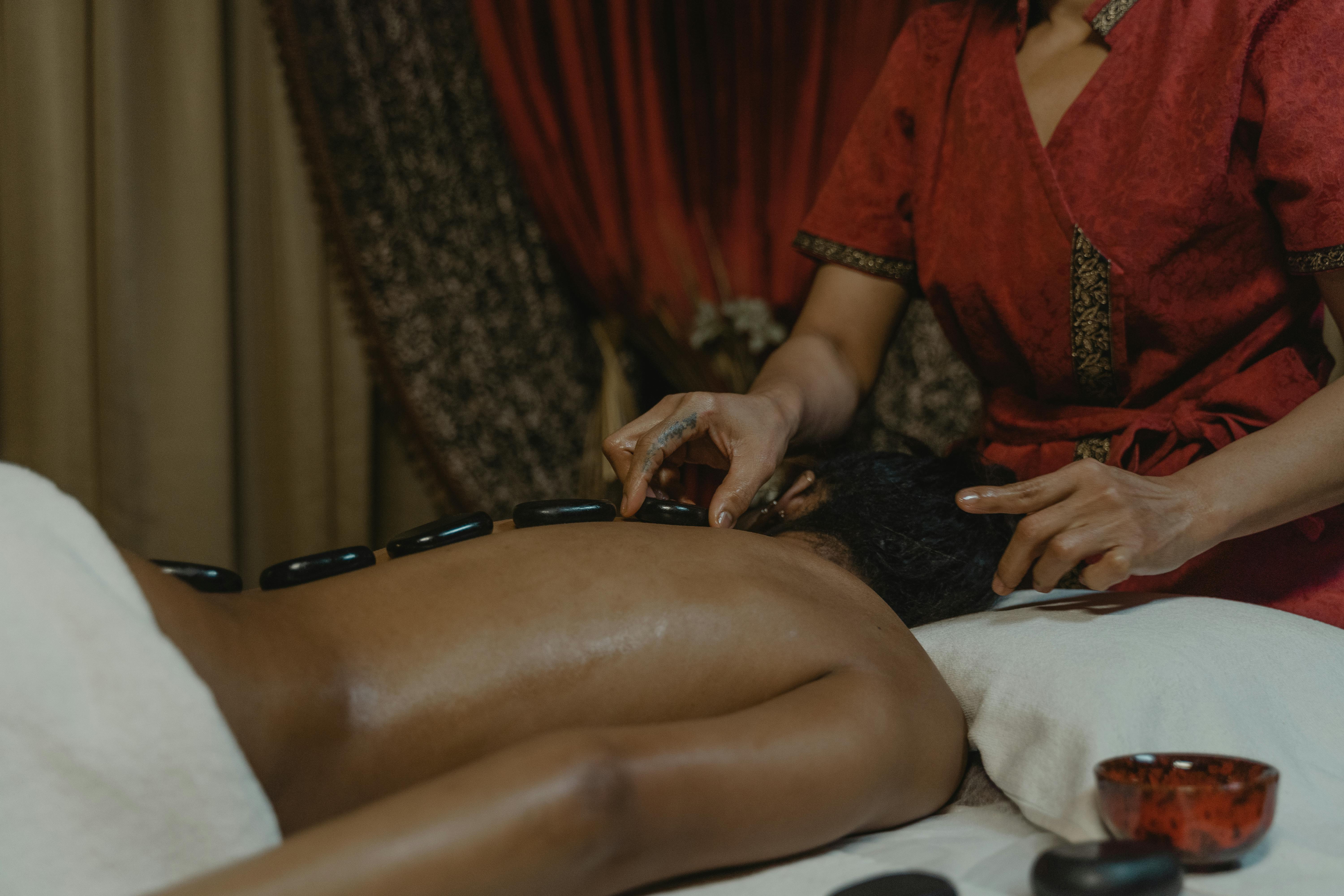
Knowing the usual appointment sequence can make hot stone therapy feel less unfamiliar, particularly if this is your first professional massage. Exact procedures vary between spas, so the following describes a typical experience rather than a guaranteed Six Senses treatment protocol.
Before Your Appointment
Your visit may begin with a short conversation about massage preferences, health considerations and areas you would prefer to avoid. This is the right moment to mention sensitive skin, previous reactions to heat, recent injuries or discomfort with particular positions.
You can also discuss preferred pressure and whether you want a quieter session. If you are unsure about hot stone therapy, ask how the stones are heated, where they are normally applied and how their temperature is checked.
You will generally be given privacy to prepare. Professional draping should protect your comfort, with only the area being worked on uncovered when necessary. You should never feel pressured to expose areas beyond your comfort level.
During the Treatment
The session may begin with conventional massage movements before warm stones are introduced. This allows you to settle into the experience and communicate how the pressure feels.
As hot stone therapy continues, the stones may be moved slowly across selected muscle groups or positioned briefly with suitable protection and monitoring. You might notice warmth spreading across the treated area, followed by gentle massage movements.
Not every treatment uses stationary stones, and positioning methods differ. Stones should not be left unattended against the skin, and direct prolonged contact with excessive heat must be avoided.
If you experience burning, sharp discomfort, dizziness or an unpleasant sensation, speak immediately. A professional session should accommodate changes in temperature, positioning and pressure. You may request that the treatment stop at any time.
After Your Session
When the massage finishes, take a moment before standing. Some people feel deeply relaxed or slightly sleepy, while others simply feel comfortable and refreshed.
Drink water according to your usual needs and avoid rushing into strenuous activity if you feel lightheaded. There is no established requirement to drink excessive water or follow a special detoxification routine after hot stone therapy.
Any persistent redness, blistering or unusual pain should be taken seriously. Burns require appropriate first aid and medical assessment when necessary.
Is Hot Stone Therapy Safe for Everyone?

Although hot stone therapy can be comfortable for many adults, applying heat to the skin introduces specific risks. Burns, irritation and aggravation of certain medical conditions are possible when precautions are inadequate.
When Additional Medical Guidance Is Important
Consult a healthcare professional before considering hot stone therapy if you have reduced skin sensation, neuropathy, diabetes-related complications, significant circulation problems, cardiovascular instability or a condition affecting your ability to detect temperature accurately.
Additional guidance is also appropriate during pregnancy, after recent surgery, when taking medication that affects sensation or circulation, or when living with a medical condition that may be aggravated by heat.
Avoid applying heated stones over open wounds, inflamed skin, burns, active infections or areas with unexplained swelling. Fever, acute illness or suspected blood clots are reasons to postpone massage and seek appropriate medical advice.
Even if a condition is well managed, hot stone therapy may require modification or may not be suitable. Spa staff cannot replace individual medical assessment.
Recognising Comfortable and Excessive Heat
Comfortable warmth should feel soothing from the beginning. A sensation that becomes increasingly hot, painful or difficult to tolerate is a warning sign rather than evidence that the treatment is working.
People sometimes hesitate to interrupt a massage, particularly during their first appointment. However, communicating immediately is essential. Safe practice depends on temperature checks, careful application, ongoing monitoring and respect for individual sensitivity.
Hot Stone Therapy vs Traditional Massage
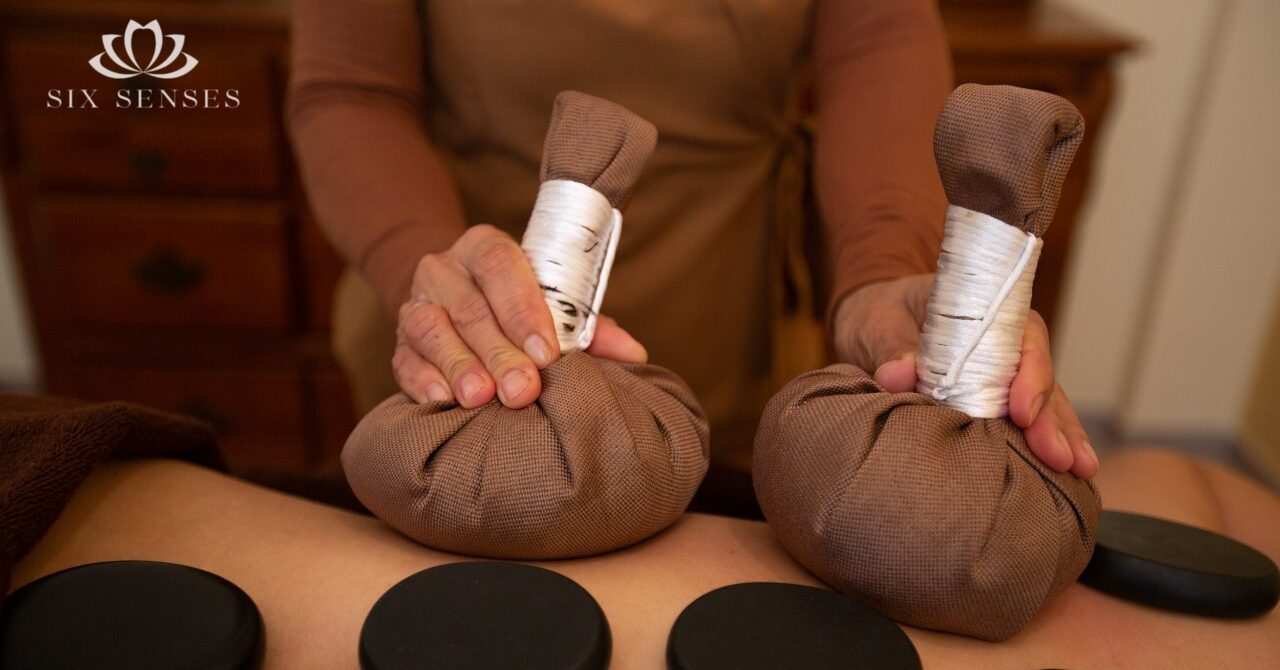
When comparing hot stone therapy with a conventional massage, the most important distinction is the use of heated stones. Both experiences can involve flowing movements, individual pressure preferences and attention to comfort.
Differences in Sensation and Technique
A traditional relaxation massage generally relies on the hands and may include kneading, gliding or gentle pressure. A heated stone session introduces smooth warmed surfaces that create a different tactile sensation.
Some people prefer the enveloping warmth of hot stone therapy, especially when their main goal is relaxation. Others prefer direct hand contact or dislike heat altogether. Personal preference matters more than claims that one method is universally superior.
Deep tissue massage is also different. It usually focuses on slower, more targeted pressure and does not necessarily involve heated stones. A warming massage should not automatically be considered a substitute for a specialised treatment.
Choosing the Experience That Suits You
Consider your comfort with heat, preferred pressure and reasons for visiting a spa. If you enjoy warmth and want a calming sensory experience, hot stone therapy may be appealing.
If you are highly sensitive to temperature, prefer targeted hand techniques or have health concerns, a conventional massage or another suitable treatment may be a better option.
When uncertain, describe your goals to the spa team rather than selecting a service based solely on its name. A clear explanation of the treatment can help prevent disappointment and support a more comfortable visit.
How to Prepare for Your First Hot Stone Therapy Appointment
Preparing for hot stone therapy does not require complicated routines. A few practical decisions can help you feel more relaxed and communicate your needs clearly.
Practical Preparation Tips
Arrive with enough time to complete any consultation and avoid beginning your appointment in a rush. Wear comfortable clothing and consider avoiding a heavy meal immediately beforehand if lying face down tends to make you uncomfortable.
Tell the spa about relevant medical conditions, skin sensitivities and recent procedures. Mention any previous negative experiences with massage or heat. Do not assume that the person providing your treatment already knows your preferences.
During hot stone therapy, focus on your own comfort rather than trying to tolerate a particular temperature or pressure. It is entirely acceptable to ask for lighter movements, fewer stones or an alternative technique.
Questions Worth Asking Before Booking
Before making an appointment, ask about treatment duration, the areas usually included and whether the session combines warm stones with traditional massage. You may also want to confirm whether adjustments are available for first-time visitors.
Other useful questions concern contraindications, preparation requirements and the approach to temperature control. If you have a medical concern, obtain professional guidance before booking rather than relying on general spa descriptions.
Understanding these details helps you evaluate hot stone therapy based on your needs, not simply attractive photographs or promotional promises.
Learn more: NCCIH – Massage Benefits
Frequently Asked Questions About Hot Stone Therapy
Does Hot Stone Therapy Hurt?
Hot stone therapy should not be painful. The stones should feel pleasantly warm, and massage pressure should remain within your comfort level. Burning sensations, sharp pain or excessive heat are reasons to request an immediate adjustment. If the discomfort continues, stop the session.
How Long Does a Session Usually Last?
Hot stone therapy appointments commonly last approximately 60 to 90 minutes, although shorter or longer options may be available. Duration depends on the spa, selected treatment and areas being addressed. Always confirm the actual appointment length and what is included before booking.
Can Hot Stone Therapy Help With Back Tension?
Some clients experience temporary relaxation or a reduction in the sensation of ordinary back tightness. However, hot stone therapy is not a proven cure for persistent back pain, nerve problems or spinal conditions. Seek medical advice for ongoing, severe or unexplained symptoms.
Should I Shower After the Treatment?
There is generally no special requirement to shower immediately after hot stone therapy. Your decision may depend on whether massage oil was used and your personal comfort. Follow any practical aftercare guidance provided during your appointment.
How Often Can I Book a Session?
There is no universal schedule for hot stone therapy. Frequency depends on individual preferences, health considerations and how you respond to treatment. More frequent sessions do not automatically produce greater benefits. Choose a schedule that feels appropriate and seek medical advice when relevant.
Discover Hot Stone Therapy at Six Senses in Paphos
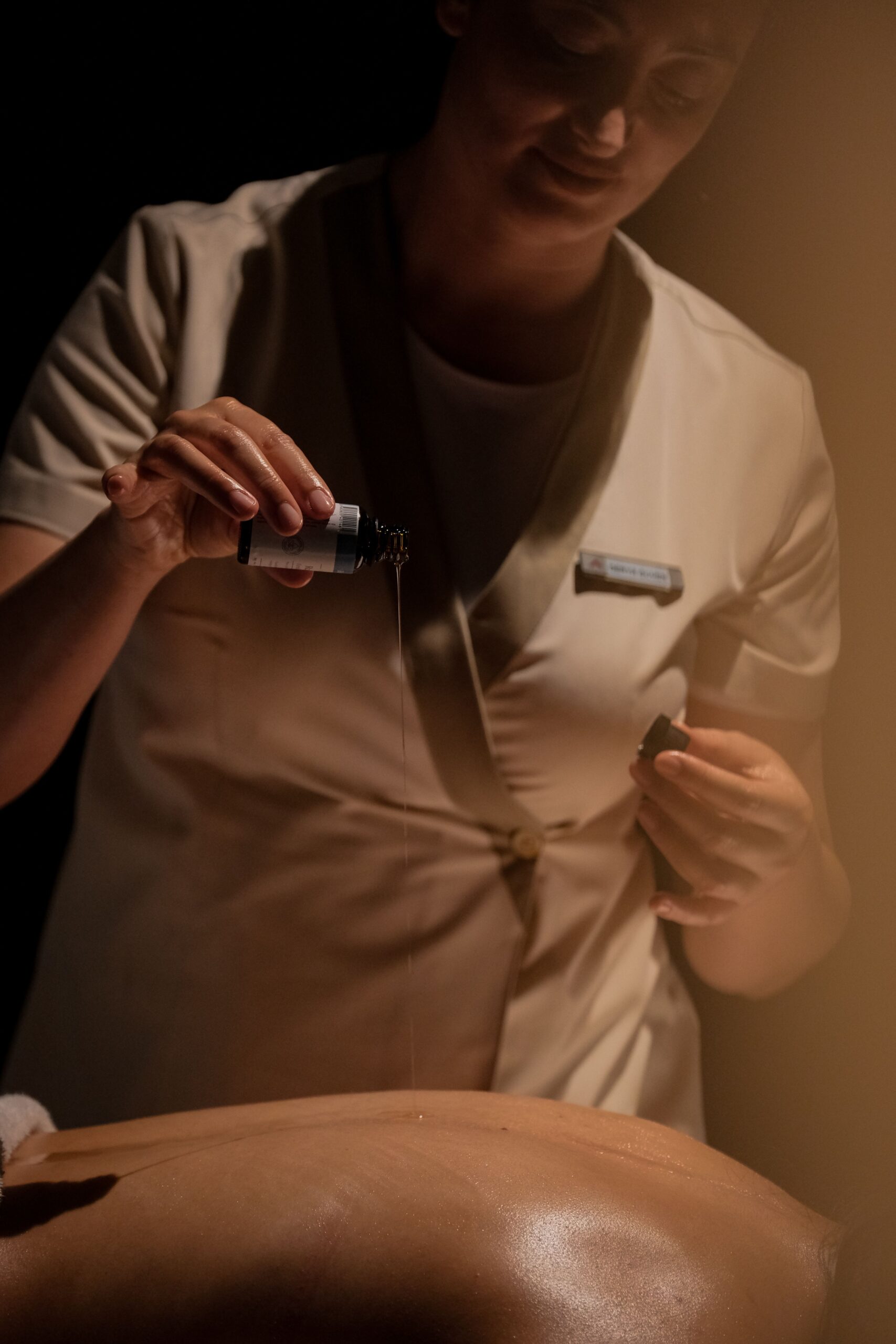
Choosing a spa treatment should begin with understanding what you will experience. Hot stone therapy offers a distinctive combination of controlled warmth and massage, making it an interesting option for people who enjoy gentle heat and want time to unwind.
For visitors exploring wellness experiences in Paphos, Cyprus, the most useful approach is to compare treatments, consider personal sensitivities and ask questions before making a reservation. A relaxing experience should always be guided by comfort, clear communication and appropriate safety precautions.
Making an Informed Choice Before Booking
At Six Senses, we encourage guests to discover the differences between massage styles before choosing an appointment. If hot stone therapy interests you, ask our team about current treatment availability, session details and whether the approach matches your preferences.
Ready to explore your options? Contact Six Senses in Paphos to learn what happens during a warming stone massage, discuss any relevant concerns and decide whether hot stone therapy is the right experience for you. There is no need to rush your decision: understanding the process is the first step toward a comfortable spa visit.