
No products in the cart.
Blogs, Consultation
Muscle Tension Relief: 6 Massage Techniques That May Help You Relax
Long hours at a desk, demanding workouts and busy travel schedules can leave your shoulders feeling heavy, your back uncomfortable and your legs unusually tight. These sensations are common, especially when movement, rest and recovery are out of balance. Many people explore muscle tension relief because they want to feel more comfortable without turning every episode of ordinary tightness into a medical problem.
Massage is one option worth considering. Different techniques use gentle strokes, focused pressure, warmth or assisted stretching to create distinct experiences. However, the strongest massage is not necessarily the most suitable, and no technique can guarantee that discomfort will disappear. Understanding what each approach offers helps you make a more informed decision.
This guide explains six massage techniques that may support muscle tension relief, compares their practical differences and highlights important safety considerations. Whether you work in an office, enjoy regular exercise or are visiting Paphos, Cyprus, you will also discover how to combine massage with everyday habits that support relaxation and comfort.
Understanding Muscle Tension Relief and Everyday Tightness
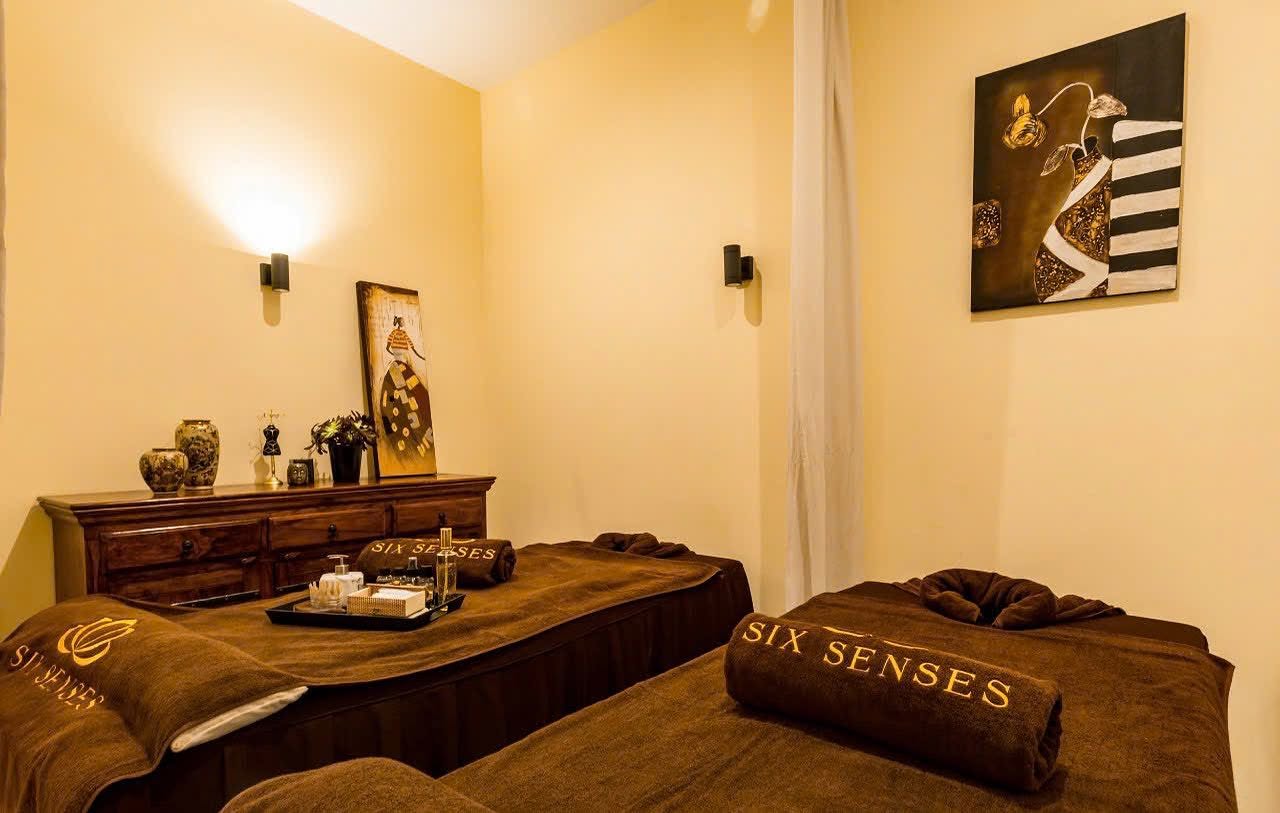
Muscle tension relief describes efforts to reduce the sensation of muscular tightness, stiffness or discomfort. It is a practical wellness goal rather than a specific medical diagnosis. Some people notice tightness after prolonged sitting, while others experience it following unfamiliar exercise or stressful periods.
Muscles naturally change their activity throughout the day. Feeling tight does not automatically mean that a muscle is damaged, shortened or physically stuck. The sensation can involve several factors, including fatigue, sensitivity, movement habits and the way the nervous system processes discomfort.
Why muscles may feel tight
Remaining in one position for several hours can make certain areas feel uncomfortable. Repetitive movements, sudden increases in exercise intensity and insufficient recovery may contribute to similar sensations. Emotional stress can also influence how strongly people perceive muscle tightness.
For office workers, muscle tension relief may begin with changing positions more frequently. For active adults, it may involve reviewing training intensity, allowing recovery time and recognising when an activity needs modification.
Common areas affected by muscle tension
The neck, shoulders and upper back are frequently mentioned by people who spend long periods using computers. The lower back may feel uncomfortable after sitting or travelling. Runners and gym enthusiasts may notice tightness around the hips, thighs or calves following demanding activity.
Location alone cannot identify the underlying cause. Similar sensations can arise from different conditions, which is why persistent symptoms deserve individual assessment rather than assumptions about tight muscles.
When muscle discomfort needs medical attention
Seek medical advice if discomfort follows significant injury, becomes progressively worse or occurs alongside unexplained weakness, numbness, fever or swelling. Severe back pain accompanied by changes in bladder or bowel control requires urgent medical assessment.
Massage should not delay appropriate healthcare. Safe muscle tension relief starts with recognising when ordinary relaxation strategies are insufficient.
How Massage May Support Muscle Tension Relief
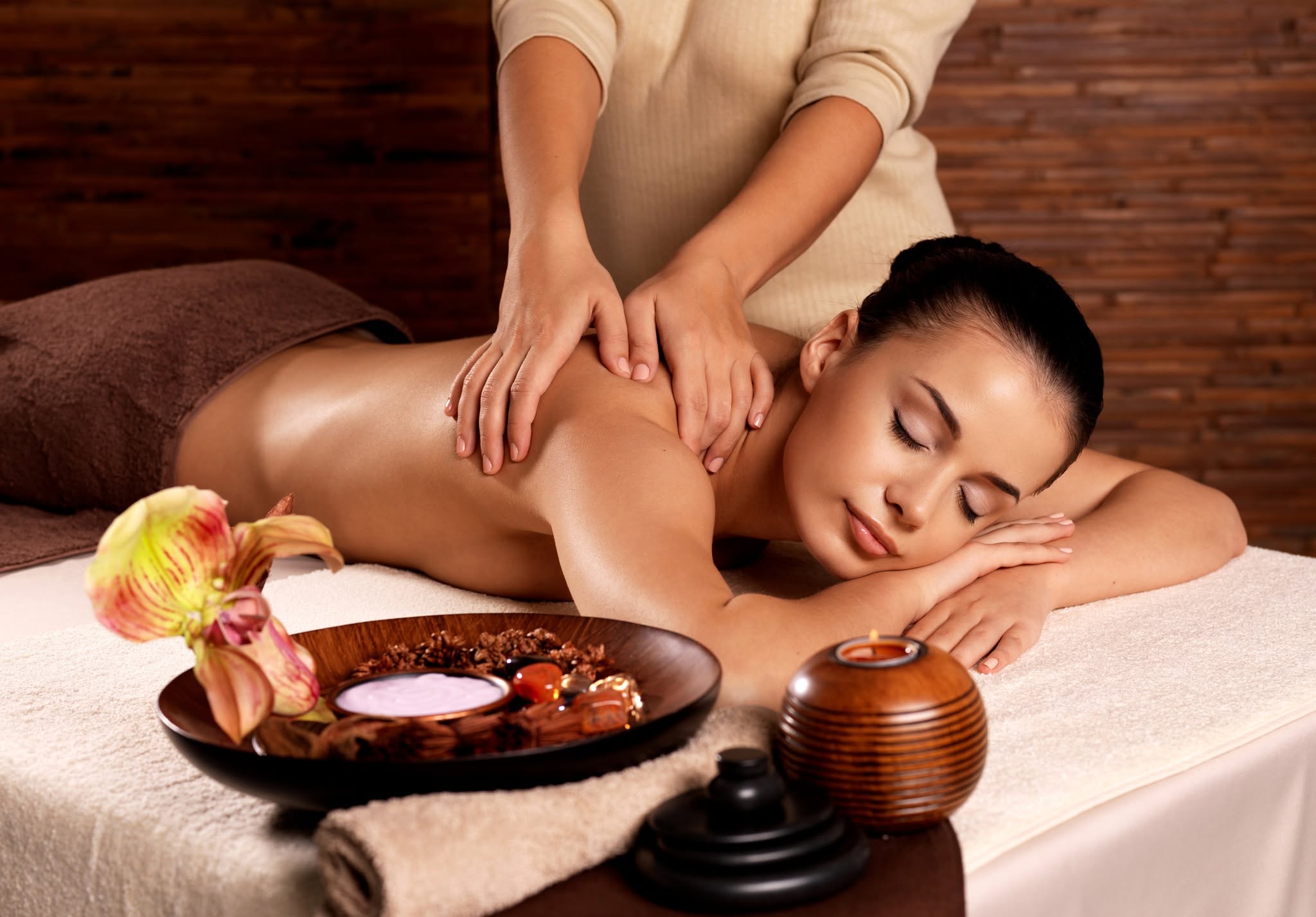
Massage involves applying controlled movements and pressure to soft tissues. Common actions include gliding, kneading, circular movements and sustained contact. These techniques can create a pleasant sensory experience and provide an opportunity to rest from demanding daily activities.
Massage and temporary muscle comfort
Research suggests that massage may help certain people experience short-term improvements in pain or discomfort. However, findings vary across conditions, techniques and study quality. There is insufficient evidence to promise that massage permanently removes knots, corrects posture or repairs underlying tissue problems.
When considering muscle tension relief, distinguish between feeling better after a session and resolving the cause of recurring symptoms. Someone may leave a massage feeling relaxed but still need better work breaks, exercise adjustments or medical assessment.
Relaxation and the nervous system
A calm environment, comfortable positioning and rhythmic touch can influence the overall experience of relaxation. Some individuals report feeling less stressed, more settled or better prepared for sleep after massage.
These responses are personal. Gentle pressure may feel reassuring to one person, while another prefers more focused contact. The ability to communicate preferences throughout a session is therefore essential.
Muscle tension relief should be guided by comfort rather than the assumption that pain during massage proves effectiveness. Strong pressure can sometimes increase discomfort, particularly when an area is already sensitive.
What massage cannot promise
Massage is not a universal treatment for chronic pain, structural conditions or medical disorders. Claims that massage removes toxins, permanently realigns the body or cures every muscular complaint are not supported by reliable evidence.
The National Center for Complementary and Integrative Health provides evidence-based information about potential massage benefits, research limitations and safety considerations. Its guidance reinforces the importance of matching treatment choices to individual circumstances.
A realistic muscle tension relief plan may include massage alongside movement, rest, stress management and appropriate healthcare when necessary.
6 Massage Techniques for Muscle Tension Relief
There is no single massage method that works best for everyone. The following six approaches offer different experiences, from gentle whole-body relaxation to focused work on particular areas. Understanding their characteristics can help you choose more confidently.
1. Swedish massage for gentle relaxation
Swedish massage commonly combines long gliding strokes, kneading, circular movements and rhythmic contact. Pressure can range from light to moderate depending on the individual’s preferences and the style of the session.
This technique may appeal to people who are new to massage or want a calming experience after demanding workdays. It can also suit travellers looking for a relaxing break following a long journey.
For muscle tension relief, Swedish massage is worth considering when discomfort feels general rather than concentrated in one particularly sensitive area. Its emphasis on comfort makes it a practical starting point for people unsure about stronger techniques.
Ask for lighter pressure whenever necessary. You should not need to tolerate significant pain to benefit from a relaxing massage.
2. Deep tissue massage for focused pressure
Deep tissue massage typically involves slower movements and more concentrated pressure on selected areas. People experiencing persistent feelings of tightness in the shoulders, back or hips may be interested in this approach.
However, deeper pressure is not automatically more effective. Intensity should be adjusted gradually and remain within a comfortable range. Sharp pain, radiating sensations or numbness are reasons to stop or modify the technique.
For muscle tension relief, deep tissue massage may suit adults who prefer focused contact and have no relevant contraindications. It is less appropriate when an area is acutely injured or unusually sensitive.
People with bleeding disorders, certain medical conditions or those taking anticoagulant medication should seek medical guidance before considering intensive pressure.
3. Sports massage for physically active adults
Sports massage is commonly associated with the needs of runners, cyclists, gym enthusiasts and other physically active individuals. Sessions may focus on frequently used muscle groups and combine massage movements with gentle mobility work.
Some active adults enjoy sports massage during recovery periods because it helps them feel comfortable and relaxed. Nevertheless, it does not replace appropriate training progression, nutrition, sleep or injury rehabilitation.
When exploring muscle tension relief after exercise, explain which activities you perform, when you last trained and whether any areas feel particularly tender. This information can help guide the intensity and focus of a session.
For additional information, explore the sports massage guide in Paphos, which discusses considerations for active individuals.
4. Hot stone massage for warmth and comfort
Hot stone massage combines warmed stones with massage movements. The controlled application of warmth may create a soothing experience for people who enjoy gentle heat and a slower pace.
Temperature management is essential. Stones should never feel painfully hot, and any burning sensation should be reported immediately. Individuals with reduced temperature sensation, certain circulatory problems or nerve conditions may need to avoid this technique.
For muscle tension relief, hot stone massage may appeal to someone seeking a comforting spa experience rather than strong pressure. It should not be assumed that heat is appropriate for every injury or inflammatory condition.
Always communicate your comfort level and relevant health concerns before choosing a heat-based treatment.
5. Thai massage for assisted stretching
Traditional Thai massage commonly combines pressure with assisted stretching and supported changes in body position. Some styles take place on a floor mat with comfortable clothing rather than on a conventional massage table.
People who enjoy movement-based experiences may find this approach interesting, particularly after long periods of sitting. However, stretching should remain controlled and should never force joints beyond a comfortable range.
As a muscle tension relief option, Thai massage may suit individuals who prefer a combination of relaxation and gentle movement. It is not necessarily suitable for people with recent injuries, significant joint instability or certain spinal conditions.
Discuss any medical restrictions beforehand and avoid aggressive stretching when flexibility is limited or painful.
6. Neck, shoulder and back massage for targeted care
A targeted neck, shoulder and back massage concentrates attention on areas frequently affected by desk work, driving and everyday activities. Rather than describing one exclusive massage tradition, it refers to a session organised around specific body regions.
Movements may include gentle gliding, kneading and carefully controlled pressure. The approach can be adapted according to whether the upper shoulders, shoulder blades or lower back feel uncomfortable.
For office workers seeking muscle tension relief, targeted massage may be appealing because it dedicates time to the areas they notice most. However, symptoms such as radiating arm pain, tingling or weakness should be medically assessed when appropriate.
Strong pressure on the front of the neck and sudden forceful neck movements should be avoided. Comfort and safety are more important than intensity.
Interested in exploring these approaches? Discover massage techniques designed to encourage relaxation and ease everyday muscle tension at Six Senses Spa in Paphos. Contact the spa to ask which treatments are currently available and discuss your preferences before booking.
Choosing the Right Massage for Your Needs
The most suitable massage depends on what you want from the experience. Someone seeking a peaceful hour away from work may have different priorities from an athlete recovering after a demanding training week.
Match the technique to your lifestyle
Office workers often prefer gentle whole-body massage or focused attention around the neck and shoulders. Active adults may be interested in sports massage, while travellers might favour Swedish massage after long journeys.
People who enjoy warmth may consider hot stone massage. Those who prefer assisted movement may explore Thai massage, provided their health and mobility allow it.
For muscle tension relief, the key questions are straightforward: Where do you feel uncomfortable? What pressure feels pleasant? Are there health concerns that require caution? What would make the session feel worthwhile?
Compare massage techniques and pressure levels
| Technique | Typical approach | Common preference |
|---|---|---|
| Swedish massage | Gentle to moderate gliding and kneading | Whole-body relaxation |
| Deep tissue massage | Slow, focused pressure | Concentrated soft-tissue work |
| Sports massage | Activity-focused massage movements | Comfort around regular exercise |
| Hot stone massage | Controlled warmth with massage | Warm, calming experiences |
| Thai massage | Pressure and assisted stretching | Movement-based relaxation |
| Neck, shoulder and back massage | Targeted regional attention | Desk-related tightness |
This comparison is a starting point rather than a clinical recommendation. Actual treatment methods and pressure levels vary between providers. A suitable muscle tension relief experience should allow adjustments based on your feedback.
Preparing for Massage and Caring for Your Body Afterwards
What to communicate before your session
Explain which areas feel tight, whether you prefer gentle or focused pressure and whether any body regions should be avoided. Mention relevant injuries, recent surgery, pregnancy, medications and diagnosed health conditions when appropriate.
If your goal is muscle tension relief rather than intensive bodywork, say so clearly. You can also request changes in positioning, pressure or technique at any point during the session.
Aftercare and realistic expectations
After massage, allow yourself time to rest and return gradually to normal activities. Drink water according to your usual needs and comfort. There is no reliable evidence that drinking unusually large amounts of water is necessary to flush toxins released by massage.
Mild temporary soreness may occur after stronger techniques, but severe pain or extensive bruising should not be considered normal. Seek medical advice if unusual symptoms develop.
Remember that muscle tension relief is not measured by how sore you feel afterwards. A comfortable session with modest, temporary improvement can still be worthwhile.
Important massage safety considerations
Massage may need to be avoided or modified in the presence of suspected blood clots, acute injuries, fractures, open wounds, active skin infections or unstable medical conditions. People taking blood thinners or living with conditions affecting bones, nerves or circulation should seek appropriate medical guidance.
Professional boundaries, hygiene and informed consent are also essential. A safe experience includes the ability to decline any technique that feels unsuitable.
Daily Habits That Complement Muscle Tension Relief
Massage may provide a welcome break, but everyday habits influence how comfortable your body feels between sessions. Small, consistent changes are often more practical than relying entirely on occasional appointments.
Move regularly during desk work
Change positions throughout the day, stand up periodically and take short walking breaks when possible. Adjust your workstation so that your screen is comfortable to view and your shoulders do not remain unnecessarily raised.
There is no single perfect posture that everyone must maintain. Variety and comfortable movement are generally more useful than trying to hold one rigid position for hours.
For sustainable muscle tension relief, combine sensible workstation adjustments with regular opportunities to move. Short activity breaks can be easier to maintain than complicated routines.
Balance exercise with recovery
Regular physical activity supports general health and muscular function. However, rapidly increasing exercise volume or intensity may contribute to soreness and discomfort. Build training gradually and allow appropriate recovery.
Gentle stretching may feel pleasant, but it should not cause sharp pain. Strength exercises, walking and mobility activities can also be useful depending on individual ability.
Active adults seeking muscle tension relief should consider their overall training programme, not just the massage technique they choose. Persistent pain may require guidance from a qualified healthcare professional.
Support relaxation through sleep and stress management
Adequate sleep, manageable workloads and regular opportunities to unwind can influence how people experience physical discomfort. Breathing exercises, quiet walks and screen-free breaks may help create a more balanced routine.
Muscle tension relief can therefore be approached as part of everyday self-care. Massage is one possible element alongside movement, rest and realistic expectations.
Discover Relaxing Massage Experiences at Six Senses Spa Paphos
Finding a massage experience that suits you
Whether you live in Cyprus or are visiting Paphos, a relaxing massage can offer an opportunity to slow down and focus on personal comfort. Six Senses Spa provides a point of contact for exploring massage experiences suited to your relaxation preferences.
If muscle tension relief is your priority, explain which areas feel tight and what level of pressure you prefer. Ask about the treatments currently offered, their general approach and whether any health considerations should influence your choice.
Make relaxation part of your time in Paphos
Visitors may appreciate a massage after travelling, sightseeing or spending long periods on their feet. Local residents and office workers may prefer scheduling a session around a demanding workweek.
For more context, explore the massage guide for Paphos and compare relaxation styles before making a decision.
Discover your next relaxing experience. Explore massage techniques designed to encourage relaxation and ease everyday muscle tension at Six Senses Spa in Paphos, Cyprus. Contact the spa to confirm available treatments, discuss your preferences and find a suitable time to visit.
Frequently Asked Questions About Muscle Tension Relief
Can massage help tight muscles after one session?
Some people notice improved comfort or relaxation immediately after their first session. Others experience smaller changes, and results may be temporary. Muscle tension relief depends partly on the underlying cause of discomfort. Persistent or worsening symptoms deserve appropriate medical evaluation.
Is deep tissue massage better than Swedish massage?
Neither technique is universally better. Deep tissue massage generally involves more focused pressure, while Swedish massage commonly emphasises flowing movements and relaxation. People who dislike strong pressure may prefer the gentler approach. Your comfort and health circumstances should guide the decision.
Which massage is suitable for office workers?
Swedish massage and targeted neck, shoulder and back massage are reasonable options to explore. The best choice depends on personal preferences and whether symptoms suggest a medical issue. Regular movement breaks and workstation adjustments remain important. Muscle tension relief is often best considered within a broader daily routine.
Can I have a massage after exercise?
Gentle massage may feel comfortable after ordinary exercise-related soreness. Avoid strong pressure on areas with suspected injury, significant swelling or severe pain. Recovery also requires appropriate rest and training adjustments. Seek medical advice when symptoms are unusual or persistent.
How often should I book a massage?
There is no universal massage schedule suitable for everyone. Frequency depends on your preferences, budget, health and response to previous sessions. Start with an experience that feels comfortable and reassess your needs afterwards. If you are considering muscle tension relief in Paphos, contact Six Senses Spa to discuss suitable massage options.
Final thoughts: Muscle tension relief is about improving everyday comfort through informed, realistic choices. Swedish, deep tissue, sports, hot stone, Thai and targeted massage techniques each offer different experiences, but none should be treated as a guaranteed cure. Choose a method that respects your health, comfort and preferences, and support your wellbeing with regular movement and recovery. When you are ready to explore relaxing massage experiences in Paphos, Six Senses Spa can help you discover the available options.