
No products in the cart.
Blogs, Consultation
Massage Health Benefits: 9 Ways Massage May Support Everyday Wellness
Modern life rarely leaves enough room for genuine relaxation. Long working hours, prolonged sitting, demanding schedules, and constant digital stimulation can contribute to physical tension and emotional fatigue. As a result, many wellness-focused adults are exploring massage health benefits as a way to complement healthier daily routines.
Massage is more than a pleasant spa experience, but it is not a universal medical solution either. Research suggests that certain massage techniques may help relieve short-term discomfort, encourage relaxation, and improve how some people feel. The strength of evidence varies considerably depending on the condition being studied.
Understanding massage health benefits means distinguishing realistic improvements from exaggerated wellness claims. This guide explores nine potential benefits, compares popular techniques, explains important safety considerations, and introduces relaxation experiences available through Six Senses Spa in Paphos, Cyprus.
Understanding Massage Health Benefits and How Massage Works
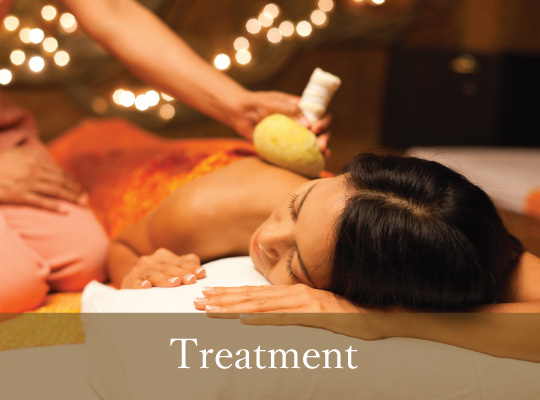
The term massage health benefits describes potential improvements in physical comfort, relaxation, emotional well-being, and certain symptoms following massage. These outcomes depend on the technique, individual circumstances, and reasons for receiving treatment.
What happens during a massage?
Massage involves applying controlled pressure and movement to soft tissues, including muscles and surrounding connective structures. Common movements include gliding, kneading, gentle compression, and focused pressure.
Some techniques emphasize soothing, rhythmic contact, while others concentrate on particular areas of muscular discomfort. The experience may influence how the nervous system processes touch and discomfort, although the exact mechanisms behind many proposed effects remain uncertain.
One reason people appreciate massage health benefits is the opportunity to pause, relax, and become more aware of physical sensations. A comfortable environment, clear communication, and appropriate pressure all contribute to the experience.
What does scientific research suggest?
The National Center for Complementary and Integrative Health reviews research on massage for conditions including back pain, neck discomfort, and other health concerns.
Some studies suggest short-term improvements in pain or symptoms, but findings are not consistently strong. Many studies involve small groups, different techniques, or limited follow-up periods.
Consequently, discussions of massage health benefits should acknowledge both potential value and scientific uncertainty. Massage is best understood as a complementary wellness practice rather than a substitute for necessary healthcare.
9 Massage Health Benefits That May Support Everyday Wellness

People seek massage for different reasons. Some want relief from muscle tightness, while others simply value a peaceful break from demanding routines. The following nine massage health benefits combine researched outcomes with practical aspects of the wellness experience.
1. May reduce perceived stress
Stress can affect concentration, sleep, mood, and the way muscles feel throughout the day. A calming massage session provides an opportunity to step away from demanding responsibilities and focus on physical relaxation.
Gentle, rhythmic touch may help some individuals feel calmer immediately after treatment. Among commonly discussed massage health benefits, temporary stress relief is particularly relevant for adults balancing work and personal responsibilities.
However, relaxation during a massage does not eliminate underlying stressors. Sustainable stress management also involves adequate rest, healthy boundaries, physical activity, and appropriate professional support when needed.
2. May ease everyday muscle tension
Extended periods of desk work, driving, or repetitive activity can leave muscles feeling tight and uncomfortable. Massage may temporarily improve comfort in areas such as the shoulders, back, and legs.
People interested in massage health benefits often identify muscle relaxation as their primary goal. The sensation of reduced tightness can make everyday movement feel more pleasant, although responses vary.
Persistent discomfort may require changes to workstation ergonomics, exercise habits, or movement patterns. Massage should complement these adjustments rather than replace them.
3. May support better sleep quality
Restful sleep is fundamental to physical and emotional well-being. Stress, irregular schedules, and physical discomfort can make winding down difficult, even when someone feels exhausted.
Massage may help certain individuals feel more relaxed before bedtime. This experience contributes to interest in massage health benefits for sleep, although evidence does not establish massage as a reliable treatment for chronic insomnia.
Good sleep hygiene remains essential. Consistent bedtimes, a comfortable sleeping environment, and reduced evening caffeine intake are useful foundations. Persistent sleep difficulties deserve medical assessment.
4. May relieve temporary neck and shoulder discomfort
Neck and shoulder discomfort commonly develops alongside prolonged screen use, sustained postures, and repetitive movements. Gentle massage may provide temporary symptom relief for some people.
Research reviewed by NCCIH suggests possible short-term benefits for certain neck and shoulder pain conditions. Nevertheless, findings differ across studies, and long-term effectiveness remains uncertain.
When considering massage health benefits for these areas, avoid assuming every painful sensation results from ordinary muscle tension. Numbness, progressive weakness, or pain radiating into the arm warrants medical evaluation.
5. May help manage certain types of back pain
Back pain can arise from numerous causes, including muscle strain, injury, and medical conditions. Because these causes differ, the appropriate approach to symptom management also varies.
Some clinical studies suggest massage may provide short-term relief for particular forms of back pain. However, evidence quality is often limited, and massage cannot correct every underlying cause.
Realistic expectations are central to understanding massage health benefits. Severe pain, symptoms following significant injury, or back pain accompanied by neurological changes should be assessed by a healthcare professional.
6. May reduce post-exercise soreness
Exercise can produce temporary muscle soreness, particularly after unfamiliar or demanding activity. Many physically active adults use massage as part of their recovery routine.
Research suggests certain massage approaches may reduce perceived delayed-onset muscle soreness. This does not necessarily mean massage accelerates all biological recovery processes or consistently improves athletic performance.
For active individuals, massage health benefits may therefore include feeling more comfortable during recovery. Adequate sleep, appropriate nutrition, hydration, and sensible training loads remain essential.
Massage should not be applied aggressively to suspected acute muscle tears, significant swelling, or injuries requiring medical attention.
7. May support emotional well-being
Emotional well-being is influenced by many factors, including relationships, daily routines, physical health, and opportunities for rest. A peaceful massage experience may provide a welcome moment of personal attention.
Some studies report improvements in psychological symptoms within particular populations. However, these findings should not be interpreted as proof that massage treats depression or anxiety disorders.
Instead, massage health benefits related to mood are best described as possible improvements in relaxation and subjective well-being. Ongoing emotional distress requires appropriate support beyond spa services.
8. Encourages greater body awareness
Busy routines can make it easy to overlook physical signals. People may not notice raised shoulders, a clenched jaw, or uncomfortable posture until they intentionally slow down.
Massage creates an opportunity to pay attention to these sensations. Recognizing recurring areas of tension may encourage healthier movement and rest habits.
This aspect of massage health benefits is primarily experiential rather than an established medical outcome. Nevertheless, reflecting on how the body feels before and after a session can help guide future wellness choices.
9. Creates a meaningful self-care routine
Self-care does not need to involve complicated programs or expensive products. Setting aside time for rest can be valuable in itself, particularly when everyday responsibilities leave little space for recovery.
For some adults, occasional massage becomes a positive reminder to prioritize relaxation. The appointment creates dedicated time away from screens, deadlines, and distractions.
Viewed this way, massage health benefits extend beyond individual physical sensations to include the broader experience of intentional self-care. The goal is consistency with personal needs, not an obligation to book frequent treatments.
Which Massage Techniques Best Match Your Wellness Goals?
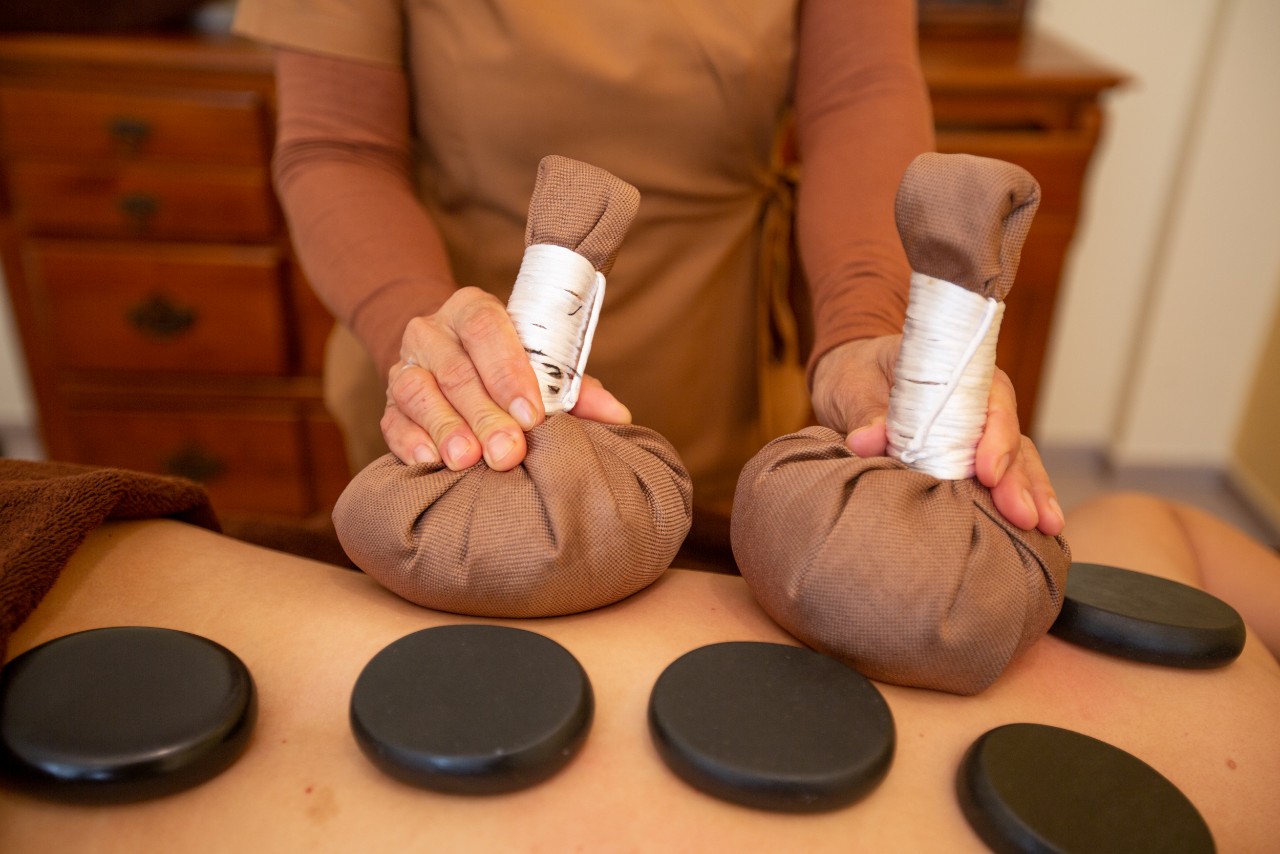
Different techniques emphasize different sensations and objectives. Choosing a suitable treatment involves understanding pressure preferences, physical limitations, and the type of experience you want.
Swedish massage
Swedish massage typically combines long gliding strokes, kneading, and rhythmic movements. It is commonly associated with general relaxation and temporary relief from everyday muscle tension.
For beginners exploring massage health benefits, Swedish massage may provide an approachable introduction because pressure can usually be adjusted to individual comfort.
Deep tissue massage
Deep tissue massage uses more focused pressure to work with particular muscle areas. Some individuals prefer this stronger sensation when addressing persistent feelings of tightness.
However, deeper pressure does not automatically produce greater therapeutic benefit. Excessive force can cause discomfort or injury, especially in people with certain medical conditions.
Sports massage
Sports massage is often adapted to the physical demands of exercise and recreational activity. Sessions may focus on muscle groups commonly used during training or other demanding movement.
Those interested in sports massage in Paphos can explore how this approach differs from a general relaxation treatment.
Hot stone massage
Hot stone massage combines manual techniques with carefully controlled warmth. Some clients enjoy the soothing sensation of heated stones during a relaxation-focused session.
Heat requires particular caution for people with impaired temperature sensation or relevant medical conditions. Stones must never be hot enough to cause discomfort or burns.
The following comparison can help clarify common differences between these techniques.
| Massage style | Typical goal | Important consideration |
|---|---|---|
| Swedish | General relaxation | Choose comfortable pressure |
| Deep tissue | Focused muscle work | Strong pressure is not always appropriate |
| Sports | Comfort around physical activity | Avoid acute injuries |
| Hot stone | Warmth and relaxation | Temperature safety is essential |
How to Maximize Massage Health Benefits Safely
Enjoying massage health benefits does not require the strongest technique or the longest appointment. A thoughtful approach focuses on comfort, communication, and realistic expectations.
Communicate your preferred pressure
Before a session begins, explain whether you prefer gentle relaxation or more focused muscle work. Mention sensitive areas, previous injuries, and any health concerns that may affect the treatment.
During the session, communicate immediately if pressure becomes uncomfortable. Sharp pain, tingling, or increasing distress should never be treated as necessary signs of effectiveness.
Combine massage with healthy habits
Massage is most sensibly included within a broader wellness routine. Regular movement, sufficient sleep, balanced nutrition, and stress management provide important foundations for long-term health.
Rather than expecting massage to resolve every concern, consider massage health benefits one possible addition to an already supportive lifestyle.
Pay attention to your body’s response
After treatment, notice whether you feel relaxed, comfortable, or unusually sore. Mild temporary tenderness can occur, particularly after stronger techniques, but substantial or worsening symptoms are not normal goals.
Observing your response helps you decide whether a different technique, pressure level, or session duration might be more suitable next time.
How Often Should You Schedule a Massage?
There is no scientifically established massage schedule that guarantees optimal results for every healthy adult. Personal preferences, financial considerations, medical history, and treatment goals all influence frequency.
Choosing a realistic frequency
Some people enjoy massage weekly, while others prefer occasional appointments after demanding periods. Neither approach is automatically superior.
When considering massage health benefits, remember that more frequent sessions do not necessarily produce proportionally greater improvements. A sustainable routine should feel helpful rather than burdensome.
People managing diagnosed conditions should discuss massage frequency with an appropriate healthcare professional, particularly when receiving other treatments.
Selecting the right session length
Massage appointments commonly last approximately 30, 60, or 90 minutes, depending on the service. Shorter appointments may focus on particular areas, while longer sessions allow more time for a full-body experience.
Longer sessions are not inherently more effective. Beginners may prefer a moderate duration while learning which techniques and pressure levels feel comfortable.
The most useful schedule is one that respects individual needs, allows adequate recovery, and supports a positive experience without creating unrealistic expectations.
Massage Safety: Who Should Take Extra Precautions?
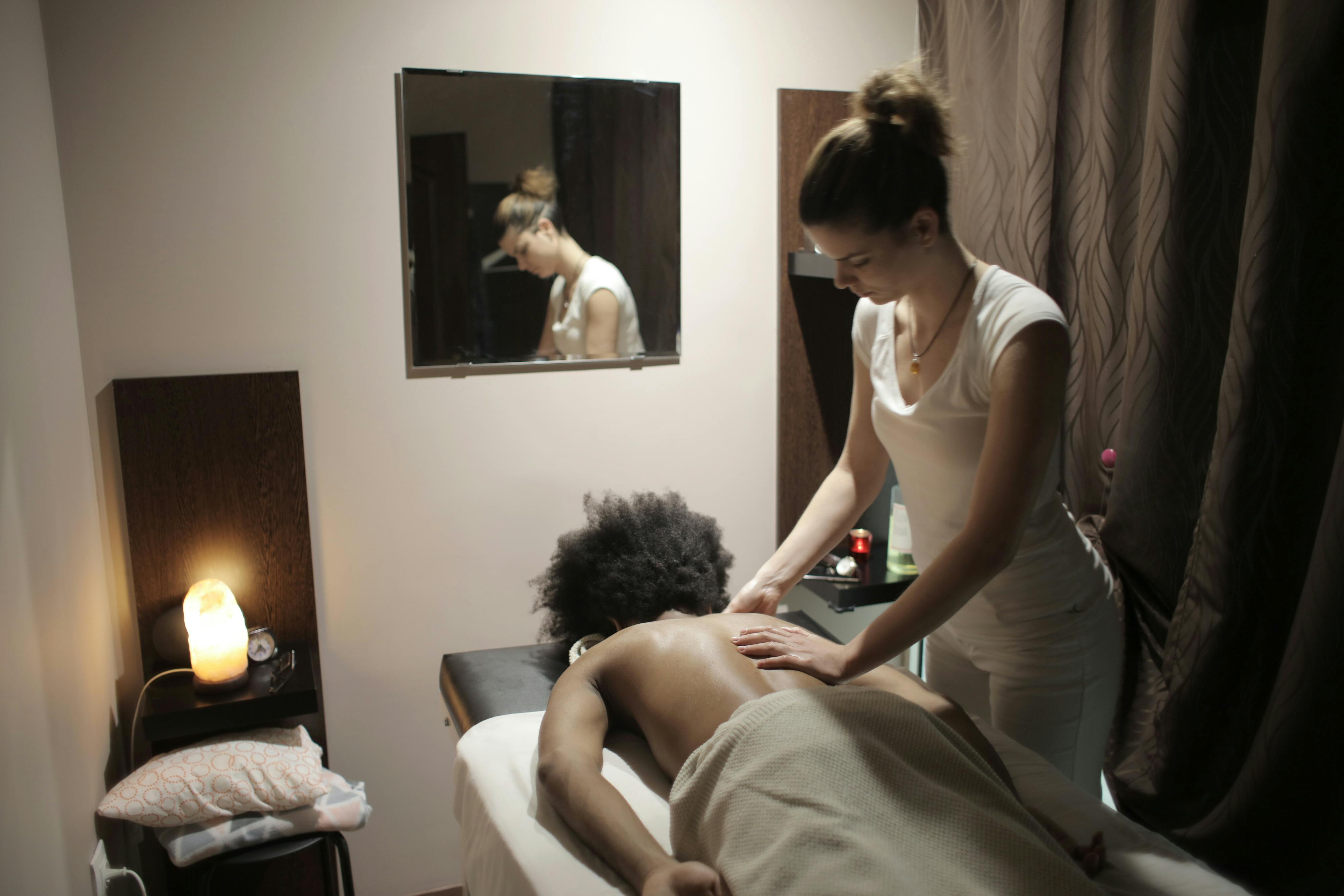
Massage is generally considered relatively low risk when appropriately performed, but certain circumstances require caution. Positive descriptions of massage health benefits should never overshadow individual safety considerations.
Medical conditions requiring additional care
People with suspected blood clots, significant bleeding disorders, severe osteoporosis, recent surgery, active skin infections, or acute injuries should seek appropriate medical guidance before massage.
Pregnancy, cancer treatment, and anticoagulant medication may also require specific precautions or modified techniques. These circumstances do not always rule out massage, but individualized assessment is important.
Never apply deep pressure directly over a suspected clot, open wound, or recently injured area. Unexplained symptoms should be medically evaluated rather than managed through massage alone.
When to stop a massage
Request an immediate pause if you experience sharp pain, unusual numbness, dizziness, breathing difficulty, or significant discomfort. Your comfort and consent should guide the entire session.
For further information, review the NCCIH guidance on massage for health purposes.
Understanding both the potential advantages and limitations of massage health benefits helps people make more informed decisions about complementary wellness services.
Explore Relaxation Massage at Six Senses Spa in Paphos
Paphos offers opportunities to combine sightseeing, coastal relaxation, and personal wellness. After travel, outdoor activities, or a demanding working week, setting aside time for massage may be a welcome addition to your schedule.
At Six Senses Spa, visitors can explore massage experiences designed around relaxation and personal comfort. The most suitable choice depends on your preferences, desired pressure, and relevant health considerations.
Finding a treatment that suits your needs
If your main goal is relaxation, a gentle technique may feel more appropriate than intensive muscle work. If you are physically active, you may prefer learning about approaches that focus on areas commonly affected by exercise.
Discuss your expectations before the appointment. Sharing information about sensitive areas, previous injuries, or discomfort can help guide a more comfortable experience.
Understanding massage health benefits makes it easier to choose a treatment based on realistic goals instead of promotional promises.
Adding relaxation to your Cyprus experience
A balanced visit to Cyprus might include leisurely walks, enjoyable meals, sightseeing, and sufficient downtime. Massage can complement these activities without becoming the central purpose of your trip.
Travelling with a partner? Explore couples massage in Paphos for an opportunity to share a relaxing wellness experience.
Discover relaxation at Six Senses Spa: Explore available massage treatments, consider your personal wellness goals, and find an experience that suits your time in Paphos.
Frequently Asked Questions About Massage Health Benefits
Is massage actually good for your health?
Massage may help with relaxation and temporary relief of certain symptoms. Research supports some short-term effects, although evidence varies by condition. Not all proposed massage health benefits are strongly established. Massage is best considered a complementary wellness option.
Can massage improve sleep?
Some people feel calmer and more comfortable before bedtime following massage. However, research does not establish massage as a dependable treatment for chronic insomnia. Healthy sleep routines remain important. Persistent sleep problems should be discussed with a healthcare professional.
Does massage help with muscle pain?
Massage may reduce perceived muscle soreness or discomfort in certain circumstances. Results depend on the underlying cause and technique. Aggressive massage is inappropriate for some injuries. Persistent or worsening pain requires professional assessment.
Is weekly massage beneficial?
Weekly massage may suit individuals who enjoy regular relaxation and tolerate sessions comfortably. However, no universal weekly schedule has been proven optimal. Frequency should reflect personal goals, health circumstances, and preferences. More sessions do not automatically mean greater benefits.
Can massage replace medical treatment?
No. Massage may complement appropriate healthcare but cannot replace medical diagnosis or necessary treatment. People with underlying conditions should seek individualized advice. Understanding massage health benefits also means recognizing the limitations of massage.
Final Thoughts: Making Massage Part of a Balanced Lifestyle
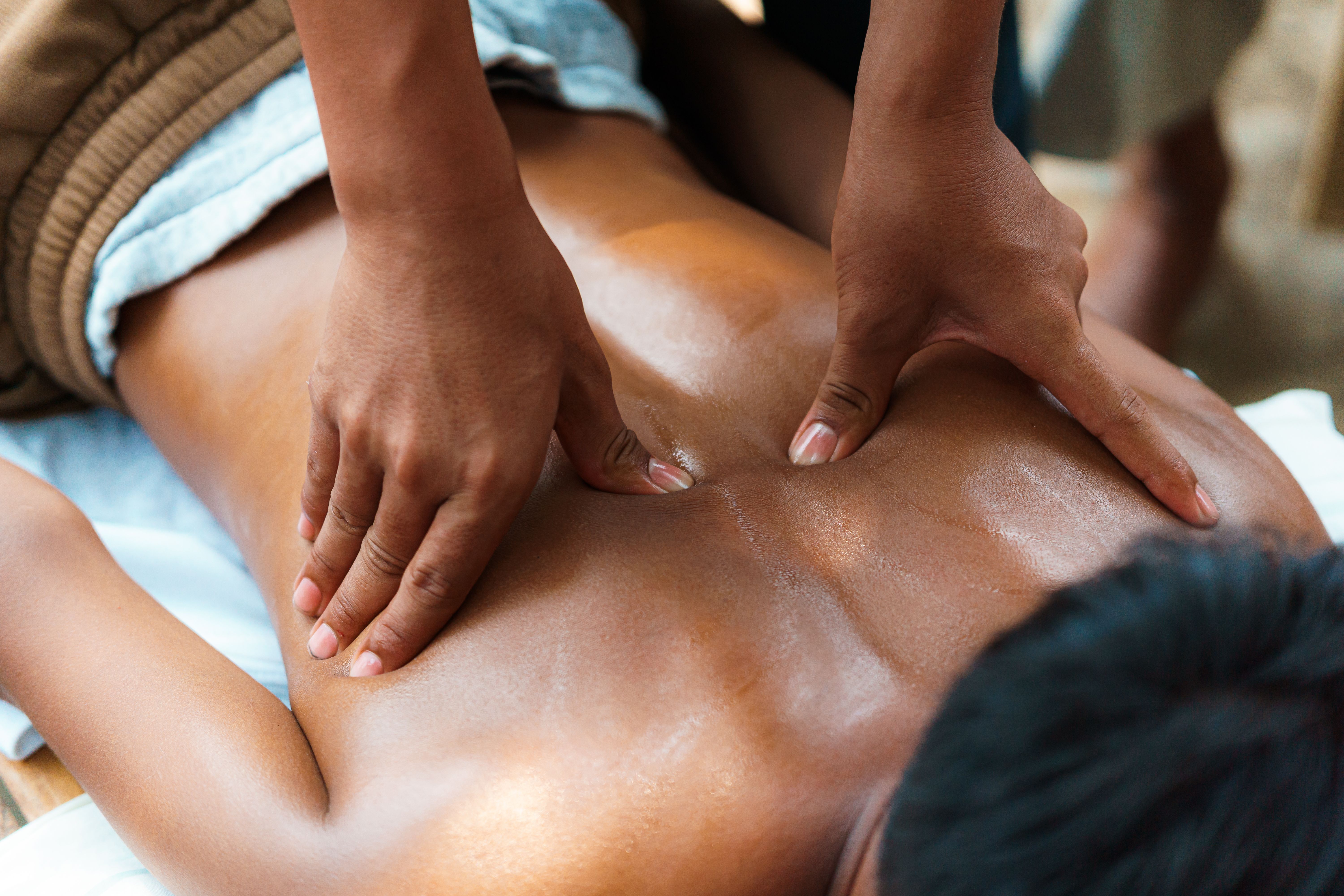
The most meaningful massage health benefits may include relaxation, temporary relief from muscular discomfort, and an opportunity to prioritize personal well-being. Some clinical benefits have research support, but outcomes are often short-term and vary between individuals.
Choosing appropriate techniques, communicating clearly, and maintaining healthy daily habits can help create a positive massage experience. Massage should support, rather than replace, exercise, restorative sleep, medical care, and other foundations of health.
Ready to explore massage health benefits during your time in Paphos? Visit Six Senses Spa to discover relaxation-focused massage options and choose an experience that complements your personal wellness journey.
Medical disclaimer: This article provides general educational information and does not replace individualized medical advice, diagnosis, or treatment.