
No products in the cart.
Consultation
5 Reasons to Choose Aroma Therapy with Warm Oil for Deep Relaxation
There are days when relaxation needs more than simply sitting still. The body may feel tired, the mind may remain busy, and switching off can be difficult. Aroma Therapy with Warm Oil is designed around a simple combination of touch, comfortable warmth and fragrance to create a more immersive wellness experience.
Rather than relying on intense pressure, this style of treatment typically uses smooth massage movements with warmed carrier oil and carefully selected aromatic oils. Aromatherapy itself involves the use of plant-derived essential oils, commonly through inhalation or appropriately diluted topical application. Research into specific health effects remains mixed, so aromatherapy is best approached as a complementary wellness practice rather than a treatment for medical conditions.
If your goal is to slow down, enjoy a sensory ritual and experience a gentle massage, here are five reasons Aroma Therapy with Warm Oil may deserve a place in your wellness routine.
What Is Aroma Therapy with Warm Oil?
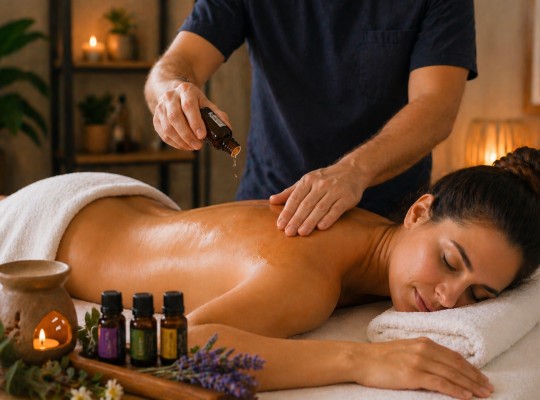
Aroma Therapy with Warm Oil is a massage experience in which warmed massage oil is used to support smooth, flowing movements across the body. Depending on the treatment, a carrier oil may be blended with properly diluted essential oils selected for their aroma.
The experience engages several senses at once. You feel the therapist’s rhythmic touch and the comfortable temperature of the oil while noticing the fragrance of the aromatic blend. This combination can make the session feel more immersive than a standard unscented massage.
How warm aromatic oils are used
The oil should feel pleasantly warm rather than hot. A therapist typically warms the product to a comfortable temperature before applying it gradually to the skin. Oil reduces friction between the therapist’s hands and the body, allowing longer and more continuous strokes.
Essential oils are highly concentrated plant extracts and should normally be diluted before skin application. Lavender, chamomile, geranium, citrus and other botanical aromas are among those commonly associated with aromatherapy, although the exact selection varies by spa and individual preference.
How it differs from a regular oil massage
A regular oil massage may use an unscented carrier oil primarily to improve glide. Aroma Therapy with Warm Oil adds fragrance as a deliberate part of the experience and emphasizes the relationship between aroma, warmth, touch and atmosphere.
The difference is therefore not simply which oil is applied. It is the sensory intention of the treatment. Guests who enjoy fragrance and gentle, flowing massage may find this format particularly appealing.
5 Reasons to Choose Aroma Therapy with Warm Oil
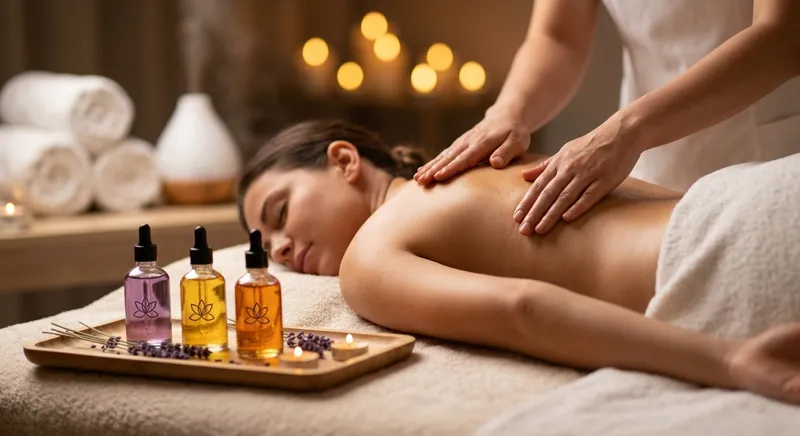
1. It creates a calming multisensory experience
A massage can be relaxing through touch alone, but aromatherapy introduces another sensory element. The combination of a peaceful setting, rhythmic movements, warmth and a fragrance you enjoy can make it easier to focus on the present experience rather than the distractions of the day.
This is one reason Aroma Therapy with Warm Oil appeals to people looking for sensory relaxation rather than an intensive, technique-focused treatment. The experience is designed to feel unhurried and cohesive.
2. Warm oil makes massage strokes feel smoother
Massage oil reduces friction on the skin, allowing the therapist’s hands to move smoothly through long, continuous strokes. Warming the oil can make its initial application feel more comfortable and inviting, especially when the treatment room is cool.
The warmth should always remain gentle. If the temperature feels uncomfortable at any point, tell your therapist immediately. Comfort is more important than maintaining a particular temperature.
3. Aromatic oils add another dimension to relaxation
Fragrance can strongly influence how a spa experience feels. Some guests prefer soft floral aromas such as lavender, while others enjoy fresh citrus, herbal or woody notes. Choosing an aroma you genuinely like can make an Aroma Therapy with Warm Oil session feel more personal.
Scientific evidence should be kept in perspective. The National Center for Complementary and Integrative Health notes that aromatherapy uses plant essential oils through inhalation or diluted skin application, but research supporting many specific therapeutic claims remains limited. For a wellness session, it is more appropriate to think of fragrance as part of the relaxation experience rather than as a cure for a health condition.
4. It offers a gentle alternative to stronger massage styles
Not everyone wants deep pressure. Deep tissue and sports-oriented treatments may focus more intensively on particular muscles, while an aromatherapy massage can be structured around slower movements and light to moderate pressure.
This can make Aroma Therapy with Warm Oil attractive when your priority is unwinding rather than receiving vigorous bodywork. Pressure preferences are personal, so discuss them with your therapist before the treatment begins.
5. It creates dedicated time to slow down
One of the simplest benefits of booking a spa ritual is having a defined period when you do not need to answer messages, work through a task list or move from one commitment to another. The treatment creates a structured pause.
For guests seeking a sensory wellness experience, that pause can be valuable in itself. Warm oil, fragrance and measured massage movements provide a setting in which the focus is simply comfort and relaxation.
Ready for a quieter moment? Relax your body and senses with warm aromatic oils and discover the Aroma Therapy with Warm Oil experience at Six Senses.
What to Expect During an Aroma Therapy with Warm Oil Session

Knowing what happens during a session can make your first visit more comfortable. Exact procedures differ between spas, but a professional Aroma Therapy with Warm Oil treatment should place communication, privacy and personal comfort at the center of the experience.
Before the massage
Your therapist may ask about your preferred massage pressure, fragrance preferences, skin sensitivities and any circumstances that could affect the treatment. This is the right time to mention allergies, recent injuries, pregnancy, medications or other relevant health concerns.
You may also be offered a choice of aromatic blends. Do not choose an oil only because of claims attached to it. A fragrance you find pleasant is usually a more practical starting point for a relaxation-focused session.
During the treatment
The therapist applies warmed oil gradually and uses smooth movements across the treatment areas. Depending on the service, pressure may range from light to moderate. You should always be able to request adjustments to the pressure, temperature or positioning.
If an aroma feels overwhelming or the oil causes itching, burning or irritation, tell your therapist immediately rather than waiting until the end of the session.
After your session
Give yourself a few moments before standing up and returning to your schedule. Follow any practical aftercare guidance provided by the spa, particularly if a citrus-based essential oil has been used because some oils may increase sun sensitivity when applied to the skin.
How to Choose the Right Aromatic Oil
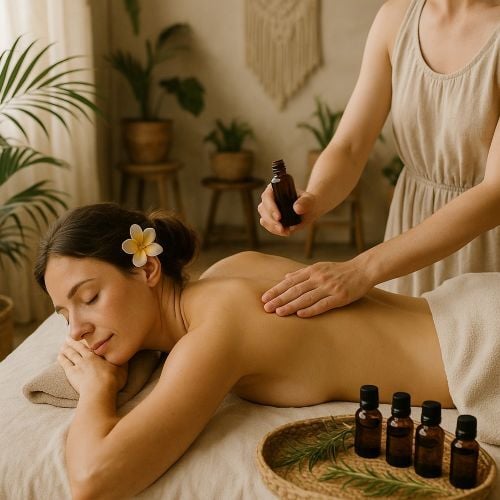
The best aromatic oil is not necessarily the one associated with the longest list of supposed benefits. For a relaxation-focused experience, personal preference, appropriate dilution and skin compatibility matter more.
Consider your scent preferences
Lavender and chamomile offer familiar floral or herbaceous profiles. Citrus aromas can feel brighter and fresher, while woody or earthy blends may create a warmer atmosphere. Ask to smell the available blend before it is applied whenever possible.
If strong fragrances tend to bother you, ask whether the concentration can be reduced or whether an unscented carrier oil is available.
Tell your therapist about skin sensitivities
Essential oils are concentrated substances. The NCCIH notes that skin irritation and allergic reactions can occur, even when essential oils are used for wellness purposes. Appropriate dilution is therefore important.
Tell the spa about known allergies or sensitive skin before your Aroma Therapy with Warm Oil treatment. If you have experienced previous reactions to essential oils, discuss whether a fragrance-free alternative would be more appropriate.
Who May Enjoy Aroma Therapy with Warm Oil?
When this treatment may suit you
Aroma Therapy with Warm Oil may appeal if you enjoy gentle massage, botanical fragrances and a warm sensory experience. It can also be a useful option for first-time spa guests who are less interested in strong pressure.
You may particularly enjoy this style when your goal is to take a break from a busy routine, experience a calming spa atmosphere or simply spend dedicated time on personal wellness.
When to speak with a healthcare professional first
Massage is generally considered low risk when performed appropriately, but it is not suitable for every situation. Speak with a qualified healthcare professional before booking if you have a significant medical condition, a recent injury or surgery, concerns about blood clots, or another condition that could make massage inappropriate.
Pregnant guests should inform both their healthcare professional and the spa. Anyone with active skin irritation, open wounds or a known essential-oil allergy should also discuss suitable alternatives before treatment.
Aroma Therapy with Warm Oil vs Other Massage Experiences
Choosing a massage becomes easier when you start with the experience you want rather than searching for a universally best treatment.
| Massage style | Typical focus | Pressure | Aromatic oil | Best suited to |
|---|---|---|---|---|
| Aroma Therapy with Warm Oil | Sensory relaxation and flowing massage | Light to moderate | Usually yes | Guests seeking warmth, aroma and relaxation |
| Traditional oil massage | Smooth full-body massage | Varies | Not necessarily | Guests who enjoy classic oil massage |
| Deep tissue massage | More targeted, intensive bodywork | Moderate to firm | Optional | Guests who prefer stronger pressure |
| Hot stone massage | Massage combined with heated stones | Varies | Optional | Guests who particularly enjoy sustained warmth |
These descriptions are general rather than universal. Techniques, pressure and products vary by therapist and spa, so check the individual service description before booking.
How to Get More from Your Aroma Therapy Session
A good spa experience depends partly on communication. Before the treatment starts, tell your therapist what you actually want from the session instead of assuming every Aroma Therapy with Warm Oil treatment follows the same routine.
- Choose an aroma that you genuinely enjoy.
- Mention allergies and skin sensitivities before oil is applied.
- Ask for lighter or firmer pressure whenever necessary.
- Speak up if the oil feels too warm.
- Keep expectations realistic and view aromatherapy as a wellness experience rather than medical treatment.
- Allow a little unhurried time after your session when possible.
At Six Senses, the aim is to turn these small details into a more considered sensory experience. If warm aromatic oils and flowing massage sound like the kind of pause you need, book an Aroma Therapy with Warm Oil session and give yourself time to simply slow down.
Frequently Asked Questions About Aroma Therapy with Warm Oil
Is Aroma Therapy with Warm Oil the same as aromatherapy massage?
The terms are often used in similar ways on spa menus. Both generally combine massage with aromatic oils, while Aroma Therapy with Warm Oil specifically emphasizes the comfortable warmth of the massage oil. Exact techniques and products vary between spas, so review the individual treatment description before booking.
Learn more: aromatherapy and essential oils
How warm should massage oil be?
Massage oil should feel comfortably warm on the skin, never painfully hot. Your therapist should check comfort during application. If the temperature feels excessive, ask for it to be adjusted immediately.
What oils are commonly used for aromatherapy massage?
Aromatherapy may feature lavender, chamomile, geranium, citrus, ginger, cedarwood and other plant-derived essential oils. Essential oils intended for skin contact are generally diluted in a suitable carrier oil. The exact blend depends on the spa, product formulation and guest preferences.
Is Aroma Therapy with Warm Oil suitable for sensitive skin?
It depends on the individual and the products used. Essential oils can cause irritation or allergic reactions in some people. Tell your therapist about sensitive skin and known allergies before treatment and ask about an unscented option when appropriate.
How long should an aromatherapy massage last?
There is no single ideal duration. Spa menus commonly offer sessions around 60 to 90 minutes, although shorter and longer treatments also exist. Choose according to your available time, comfort and the type of experience you want.
What should I wear to an aromatherapy massage?
The spa should explain how to prepare and provide appropriate draping to protect your privacy. Only areas being treated should be uncovered as necessary. If you are unsure about clothing or draping, ask the therapist before the session begins.
Let warmth, aroma and mindful touch become your next moment of calm. Relax your body and senses with warm aromatic oils and book your Aroma Therapy session at Six Senses today.