
No products in the cart.
Blogs, Consultation
Thai Massage Paphos: 5 Traditional Techniques Worth Experiencing
If you are researching Thai massage Paphos, expect something more active than a conventional oil massage. Traditional Thai bodywork combines rhythmic pressure, assisted stretching, rocking and guided movement while the guest usually remains clothed. Cleveland Clinic and WebMD describe Thai massage as a practice that uses passive stretching, pressure and body positioning rather than relying mainly on long gliding strokes.
This guide explains five traditional techniques you may encounter, what they feel like, potential benefits, practical safety points and what to expect before booking this treatment in Paphos.
What Makes Thai Massage Paphos Different?
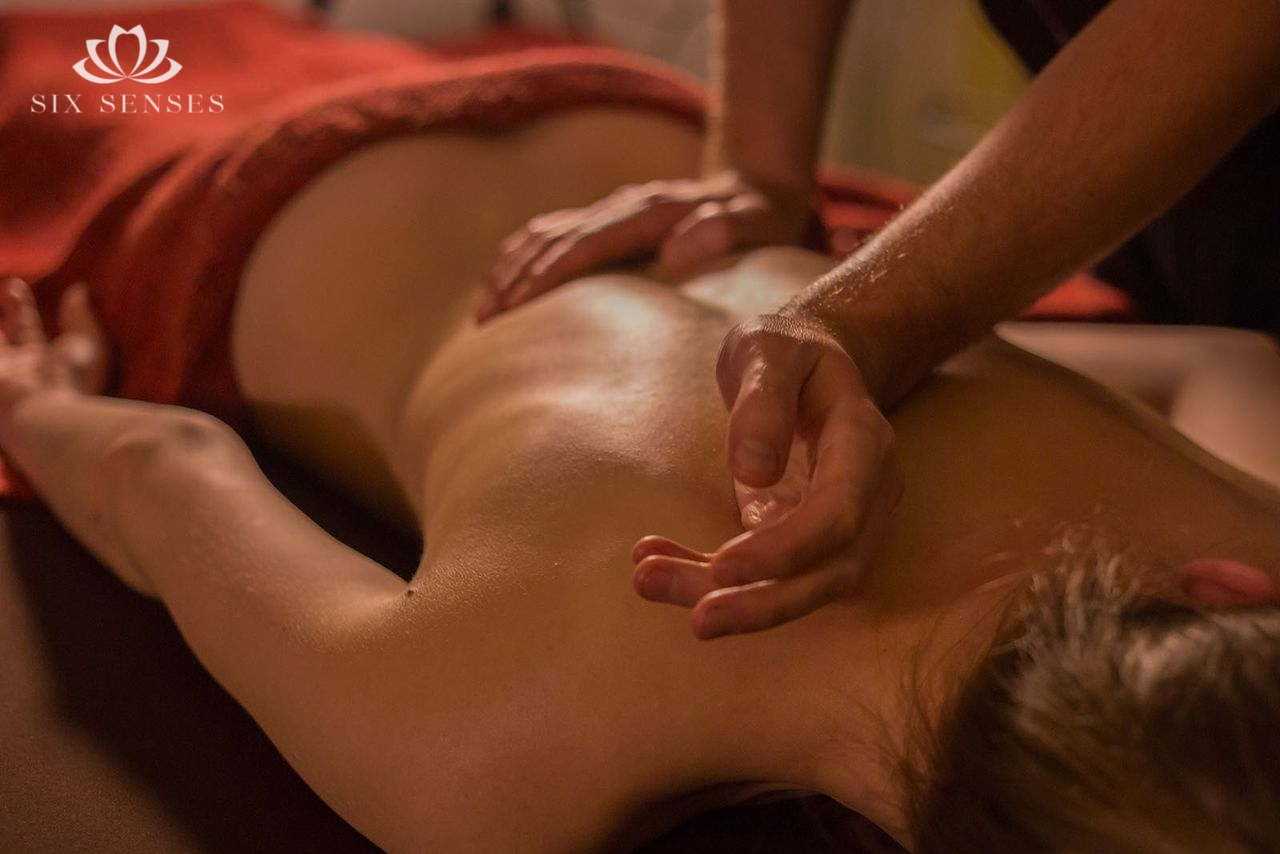
The main difference is movement. A therapist may guide your legs, hips, shoulders and spine through comfortable positions while applying pressure with the palms, thumbs, forearms or elbows. Healthline notes that traditional Thai massage commonly includes stretching, pulling and rocking, often on a mat or firm surface.
Traditional Thai massage is also known as Nuad Thai. UNESCO lists Nuad Thai as part of the Intangible Cultural Heritage of Humanity, recognizing its place within traditional Thai healthcare culture.
Modern Thai massage sessions in Paphos may vary by spa, but good practice should always adapt pressure and movement to the individual.
| Feature | Thai massage | Classic oil massage |
|---|---|---|
| Clothing | Usually loose clothing | Usually direct skin contact with draping |
| Main methods | Pressure, stretching, rocking, joint movement | Gliding, kneading, soft-tissue strokes |
| Typical feel | Active, rhythmic, mobilizing | Passive, flowing, soothing |
5 Traditional Thai Massage Techniques Worth Experiencing
1. Rhythmic palm and thumb acupressure
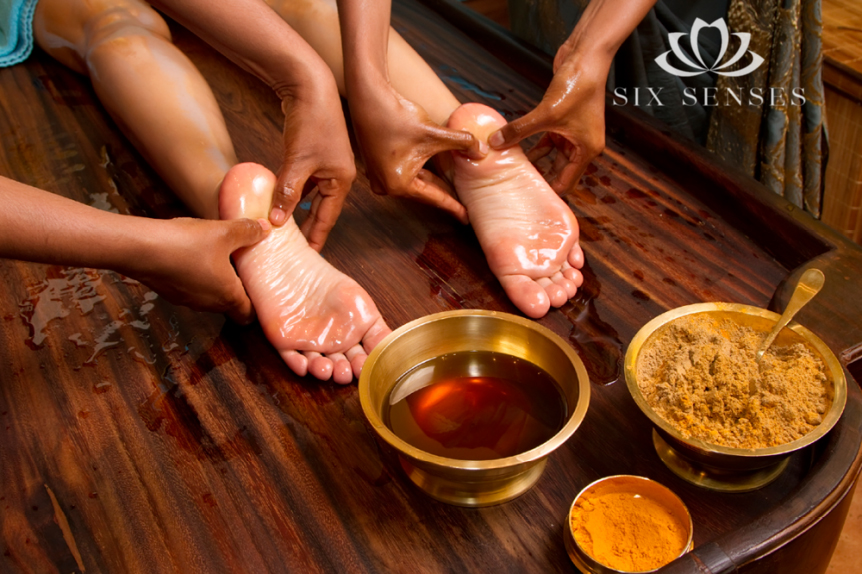
The therapist applies steady pressure with the palms or thumbs to selected areas. Traditional theory describes pathways known as sen lines, while the practical experience is a controlled rhythm that can help address areas that feel tight. During Thai massage Paphos, pressure should feel deliberate rather than sharp or overwhelming.
2. Assisted yoga-style stretching
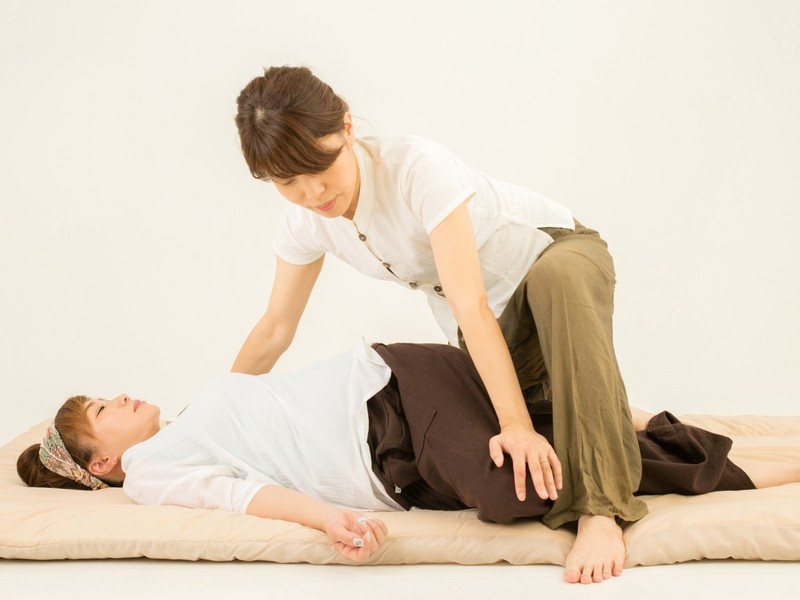
Your therapist may support a leg, open the hips, guide the shoulders or position the arms in a yoga-like stretch while you remain passive. Cleveland Clinic describes passive stretching and assisted yoga positions as central elements of Thai massage.
A skilled Thai massage Paphos practitioner should work within your comfortable range instead of forcing flexibility.
3. Compression with forearms, elbows and body weight
Broader contact points can distribute pressure over larger muscle groups. Controlled body weight also lets the therapist create steady compression without relying on muscular force alone. A professional Thai massage Paphos session should allow immediate adjustment if the pressure feels too strong.
4. Gentle rocking and rhythmic movement
Small repeated rocking movements help create continuity between pressure work and stretching. Healthline specifically identifies rocking as one of the techniques used in Thai massage.
This can make the session feel fluid rather than like a series of disconnected stretches.
5. Joint mobilization and passive range of motion
The therapist may gently guide an ankle, hip, shoulder or other joint through a comfortable movement arc. The aim is controlled mobility, not aggressive manipulation. Before Thai massage Paphos, mention old injuries, recent surgery or joints that feel unstable.
If these techniques sound like the balance of stretching and relaxation you want, explore the Thai Massage experience at Six Senses in Paphos and ask for pressure and movement to be tailored to your comfort.
What Benefits Can Thai Massage Paphos Support?
People often choose Thai massage Paphos because they want both relaxation and movement. Common goals include feeling less stiff after travel, improving general mobility, relaxing after desk work or enjoying a more active massage style. Medical summaries report potential benefits for flexibility, range of motion, stress and some forms of musculoskeletal discomfort, while also noting that evidence quality varies across outcomes.
Mobility and flexibility
Assisted stretching can move the body through supported positions while you focus on breathing and relaxing. That makes assisted stretching attractive to people who feel tight through the hips, hamstrings, shoulders or back.
Relaxation without staying completely still
The treatment can be physically dynamic but still calming because pressure and movement are applied rhythmically. If you enjoy stretching as much as massage, Thai massage Paphos may provide a useful middle ground.
Support for everyday muscle tension
Travel, exercise and prolonged sitting can all contribute to a feeling of muscular tightness. Thai massage may help you feel looser, but it should not be presented as a cure for an injury or medical condition. Persistent, severe or unexplained pain deserves medical assessment.
What to Expect From a Thai Massage Paphos Session
Before the treatment
Explain your goals, preferred pressure and any sensitive areas. Mention previous injuries, recent surgery, pregnancy, osteoporosis, cardiovascular concerns or other health issues that could affect stretching or pressure. Cleveland Clinic advises people with certain conditions to consult a healthcare professional before Thai massage.
Cleveland Clinic
During the treatment
You may lie on your back, side or front and may also be guided into seated positions. Expect pressing, holding, rocking and stretching rather than one repeated stroke. A productive stretch can feel noticeable, but Thai massage Paphos should not require you to tolerate sharp pain, numbness or forced joint movement.
After the treatment
Stand up slowly and notice how your body feels over the next several hours. Some guests feel more mobile, while others mainly notice deep relaxation. The best Thai massage Paphos experience is not the most intense one; it is the session that matches your comfort and goals.
Who Should Be Cautious With Thai Massage Paphos?
This treatment may suit healthy adults who enjoy stretching, prefer clothed massage or want a movement-oriented wellness treatment. Extra caution is sensible with acute injuries, recent surgery, significant osteoporosis, uncontrolled cardiovascular problems, severe pain of unknown cause or any condition that could make pressure or stretching inappropriate. Pregnancy also requires pregnancy-specific guidance and an appropriately trained practitioner.
- Tell the therapist where you do and do not want pressure.
- Ask for less intensity immediately if a stretch feels sharp or unstable.
- Do not use Thai massage Paphos to delay assessment of persistent pain or neurological symptoms.
- Choose a trained practitioner who explains the treatment and responds to feedback.
Frequently Asked Questions About Thai Massage Paphos
What should I wear for Thai massage Paphos?
Wear loose, flexible clothing that allows the hips, knees, shoulders and spine to move comfortably. Traditional Thai massage is commonly performed fully clothed. If you are unsure, ask Six Senses before arriving.
Does Thai massage Paphos use oil?
Traditional Thai massage is commonly performed without oil because the therapist needs grip and control for compression and assisted movement. Some spas offer hybrid Thai treatments with oil or aromatherapy, so check the service description before booking.
Is Thai massage Paphos painful?
It can feel firm in tight areas, but it should not require you to endure sharp pain. A trained therapist can reduce pressure, shorten a stretch or change your position. Speak up early if something feels uncomfortable.
How is Thai massage different from deep tissue massage?
Deep tissue massage mainly targets deeper layers of muscle and connective tissue with sustained pressure or strokes. Thai massage Paphos is more movement-based, combining compression with assisted stretching, rocking and joint positioning.
How long should a first Thai massage session be?
There is no single ideal duration for everyone. Traditional sessions are often offered in 60- or 90-minute formats, and Paphos providers commonly use those durations.
Can Thai massage improve flexibility?
Assisted stretching is one reason people choose Thai massage for mobility. Medical summaries report that Thai massage may support flexibility and range of motion, although individual results vary.
Learn more: Thai massage benefits
Discover Thai Massage Paphos at Six Senses
If you want bodywork that combines stretching with calm, hands-on treatment, Thai massage Paphos offers a distinctive alternative to a conventional oil massage. Its five core techniques—rhythmic acupressure, assisted stretching, controlled compression, rocking and joint mobilization—work together as one flowing experience.
Six Senses Asian Massage & Spa in Kato Paphos lists Thai Massage among its services and describes the treatment as using gentle pressure and stretching techniques.
Tell the therapist how much pressure you prefer and where you feel restricted so the session can be adapted appropriately.
Ready to combine stretching with relaxation? Discover Thai massage Paphos at Six Senses and choose a session built around your comfort, mobility and relaxation goals.