
No products in the cart.
Blogs
Hot Stone Treatment in 2026: A Step-by-Step Guide to the Experience
Hot Stone Treatment in 2026: What Makes It Different
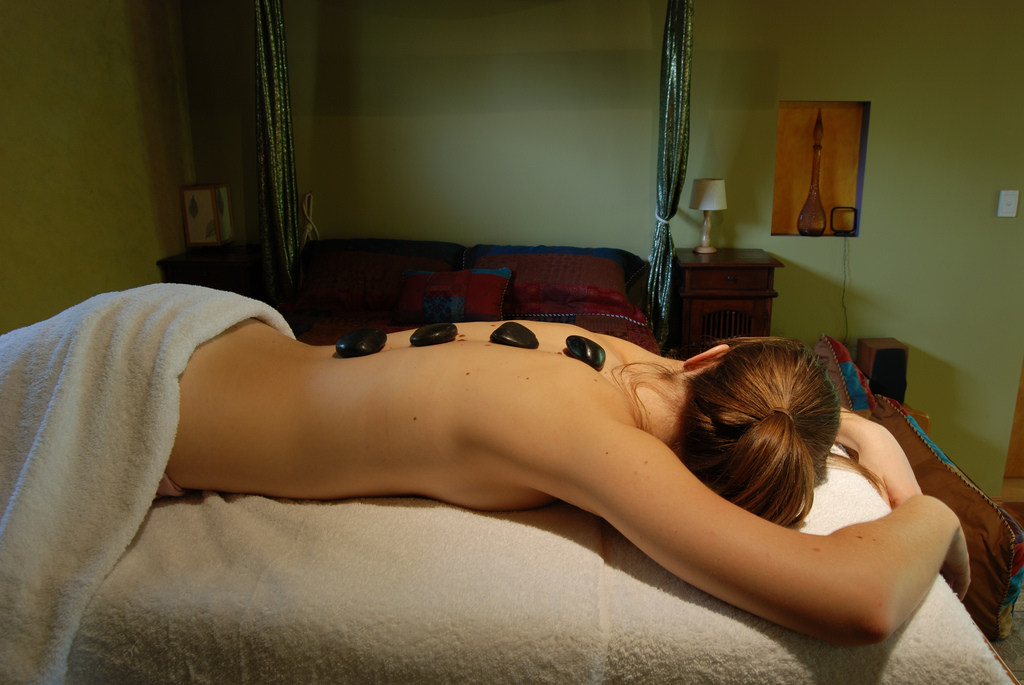
Imagine a quiet spa room, comfortable linens and a gradual feeling of warmth across the shoulders. For people who want to unwind without necessarily choosing strong massage pressure, a hot stone treatment can be an appealing option. This guide explains the process from your first conversation with the spa team to the moments after the session. It is written for first-time guests, regular spa visitors and wellness-conscious travellers spending time in Paphos, Cyprus.
A hot stone treatment combines hands-on massage with smooth stones that have been warmed in purpose-built equipment. Basalt is commonly used because it retains heat well. Depending on the technique, a trained spa professional may hold a stone while making slow, controlled movements or briefly position appropriately insulated stones on selected areas. The goal is comfortable warmth, not the strongest possible heat. Stones should never feel painfully hot, and you should always be able to request an adjustment.
Compared with a classic relaxation massage, the distinctive feature of a hot stone treatment is the additional thermal sensation. Warmth and gentle movement can feel especially inviting after hours spent travelling, walking or sitting at a desk. However, the temperature of the stones does not automatically make the session deeper, safer or more effective than other massage styles. Personal comfort, medical circumstances and professional judgement matter far more than dramatic descriptions of a treatment.
In 2026, thoughtful spa choices increasingly begin with clear expectations. A hot stone treatment is best understood as a wellness experience that may support relaxation and temporary comfort, not a cure for pain or a replacement for healthcare. At Six Senses Spa in Paphos, guests can use the information below to ask informed questions and decide whether gentle heat fits the experience they hope to enjoy.
Before Your Hot Stone Treatment: How to Prepare

Good preparation begins before you enter the treatment room. When arranging a hot stone treatment, ask about the planned duration, the general massage style, the use of oils and whether the session can be adapted for sensitive skin. The spa team should be able to explain its approach without making unrealistic health promises. If you have specific areas you do not want touched, say so when booking or during your arrival conversation.
Try to leave a small buffer in your schedule. Rushing from an excursion directly into a hot stone treatment can make it harder to relax, especially during a warm Cyprus afternoon. Arriving with time to use the restroom, change comfortably and discuss preferences may help the experience feel more settled. You do not need a complicated pre-session ritual, special supplements or an extreme hydration plan. Simply drink normally, avoid arriving heavily intoxicated and consider postponing if you feel unwell.
Because a hot stone treatment involves applied heat, mention anything that affects your response to temperature. Examples include reduced skin sensation, diabetes-related nerve symptoms, current sunburn, sensitive or irritated skin, pregnancy, circulation concerns and medication that affects awareness or bleeding risk. Such details are relevant even when you feel generally healthy. The spa may suggest adjustments, request medical clearance or recommend a different service.
Wear something easy to change out of and avoid applying strongly scented products immediately beforehand if you are sensitive to fragrance. Bring questions rather than assumptions: Which parts of the body are usually addressed? Can the pressure be light? Will the stones remain in motion? What happens if they feel too warm? A suitable hot stone treatment should allow straightforward answers and ongoing consent. If you prefer a different massage approach, it is perfectly reasonable to choose one instead.
Step-by-Step Hot Stone Treatment: From Welcome to Final Stone
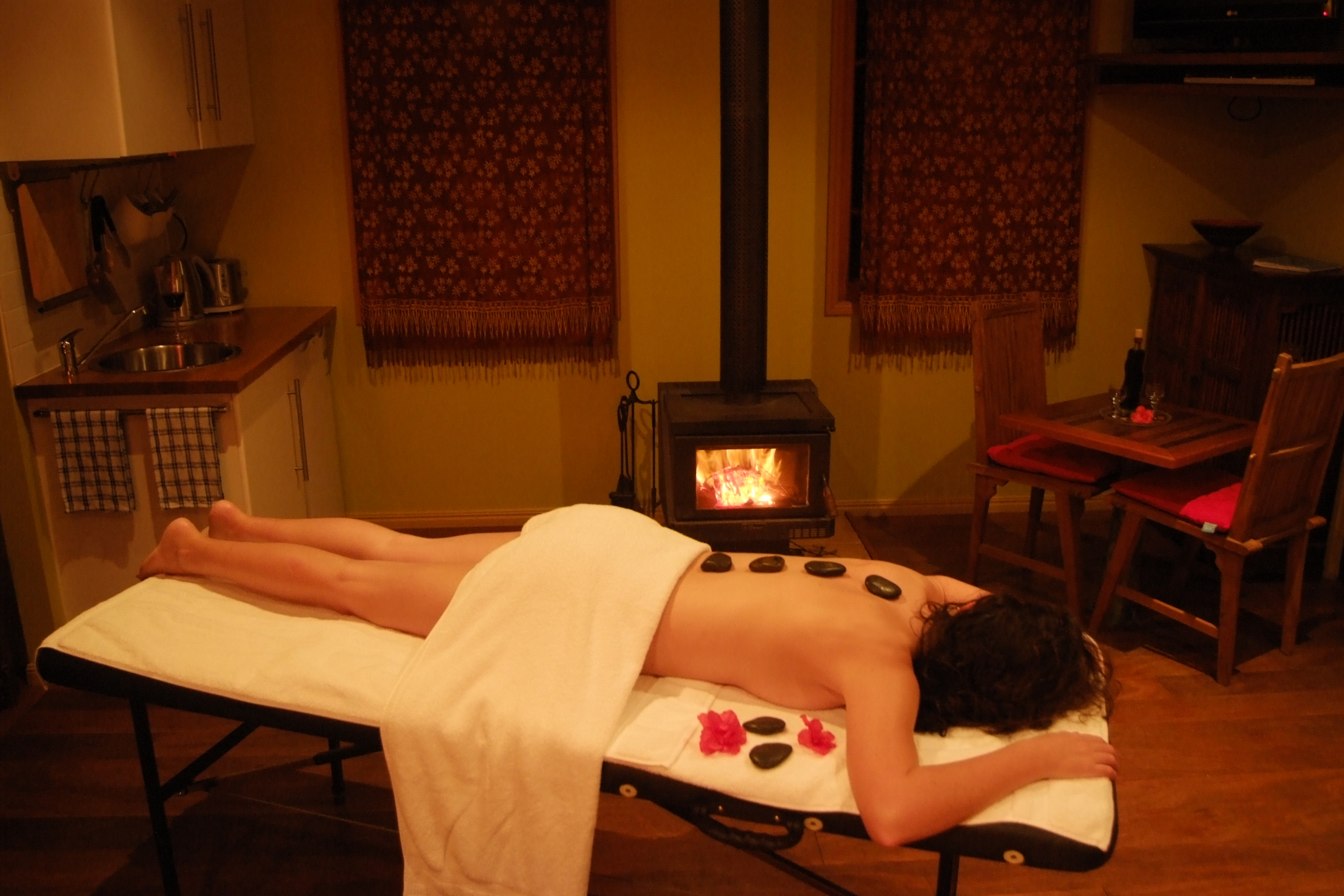
Step 1: Share your goals and comfort limits
The session usually begins with a brief conversation. You might mention travel fatigue, a preference for quiet relaxation or areas that feel particularly tense. The professional should ask relevant health and comfort questions, explain draping and check whether the hot stone treatment is appropriate for you. You can request lighter pressure, avoid a particular area or ask for a non-heated alternative. Your preferences should guide the plan, not merely be recorded and forgotten.
Step 2: Settle in and check the temperature
Once you are positioned comfortably, linens are arranged to protect your privacy and help maintain a pleasant room temperature. The hot stone treatment may begin with ordinary hand movements before stones are introduced. Stones are warmed using controlled equipment, and a trained professional checks that they are safe before contact with your skin. Proper technique considers temperature, the duration of contact and whether a protective layer is needed; a stone should not be left stationary on bare skin simply because it seems soothing at first.
As warmth reaches the body, pay attention to the difference between comforting heat and a burning or stinging sensation. A hot stone treatment should never require you to tolerate pain. Say something immediately if the stone feels too hot, the pressure is uncomfortable or you want a pause. Early feedback is useful, not disruptive, and a professional should welcome it.
Step 3: Experience controlled stone movements
During the central part of a hot stone treatment, smooth stones may be used alongside the hands in measured, gliding strokes. A small amount of suitable massage oil may help movement feel consistent, depending on the spa’s technique and your skin needs. Attention often centres on larger muscle areas such as the back, shoulders or legs, although the actual sequence varies. Heat should be applied thoughtfully, not across injured tissue or areas where sensation is impaired.
The rhythm may feel slower than a vigorous sports massage. Some people like the steady contact and warmth; others prefer less heat or more traditional handwork. No single response is correct. A hot stone treatment is most enjoyable when the person receiving it can guide how it feels. If you would rather skip one area, change your position or ask about the next step, you can do so at any point.
Step 4: Adjust pressure and finish gradually
Near the end, the professional may reduce the pace, remove any remaining stones and conclude with gentler strokes. After a hot stone treatment, take a moment before getting up, particularly if you have been lying still for some time. You may feel peaceful, slightly sleepy or simply comfortably warm. None of these sensations proves that a medical condition has changed. The immediate aim is a reassuring experience that respects your body’s response.
How a Hot Stone Treatment Feels and What It May Offer

Many guests describe a hot stone treatment as a combination of gentle pressure, enveloping warmth and a quiet break from ordinary demands. Some notice that the shoulders feel less guarded or that it becomes easier to settle into the table. Others simply enjoy a period without screens and interruptions. These are personal experiences rather than guaranteed physiological outcomes, and the feeling can vary from one appointment to the next.
Warmth may contribute to a temporary sense of ease in muscles that feel tight after travel or repetitive activity. A hot stone treatment also provides the human elements shared with other massage styles: attentive touch, an unhurried setting and time devoted to rest. Those factors may help explain why the experience feels restorative. Still, strong claims that heated stones flush toxins, permanently improve circulation or repair injuries are not supported by sound evidence.
Research about massage in general suggests possible short-term benefits for certain kinds of discomfort, but the quality of evidence varies, and findings about massage cannot automatically be applied to hot stones specifically. The US National Center for Complementary and Integrative Health offers a balanced overview of what is known and where uncertainty remains. This is useful context when evaluating claims about a hot stone treatment.
Think of the expected benefit in practical terms. A hot stone treatment may help you take a restful pause, reconnect with physical comfort and enjoy a calming sensory experience. It may not be the right choice if you dislike heat, need focused evaluation of persistent pain or would feel safer with a non-heated massage. A good experience does not require exaggerated promises. Choosing the level of warmth and touch that suits you is a meaningful result in itself.
Safety First: When Heated Stones Need Extra Care
Safety deserves as much attention as atmosphere. A hot stone treatment introduces a source of heat directly to the body, so incorrect temperatures or prolonged contact can cause burns. Equipment, professional training and active monitoring are essential. Clean stones, appropriate hygiene, protective barriers where needed and prompt responses to discomfort should be standard practice. A beautifully arranged room is no substitute for these precautions.
Before booking a hot stone treatment, seek personalised advice if you are pregnant, have diabetes with altered sensation, significant vascular problems, a history of blood clots or another condition that may affect circulation or heat tolerance. Also disclose recent operations, skin infections, unexplained swelling, active inflammation, open wounds, fragile skin or sunburn. If you are receiving cancer treatment, taking anticoagulant medication or managing a complex condition, contact your healthcare professional first. Some people may need modifications; others should avoid heated-stone work entirely.
Temperature sensitivity is particularly important. Numbness can prevent someone from recognising excessive warmth soon enough, and a hot stone treatment should not rely solely on the guest noticing a problem. If a stone feels burning-hot, ask for immediate removal. If you experience dizziness, unusual pain or any distress, stop the session. There is no wellbeing advantage in enduring a sensation that feels wrong.
Evidence-based guidance from NCCIH on complementary approaches and safety reinforces the need to consider individual health circumstances. The decision to receive a hot stone treatment should be collaborative and informed. If you have persistent, worsening or unexplained symptoms, speak with a qualified healthcare professional rather than relying on spa treatments for diagnosis or medical care.
After the Session: Simple Care That Extends the Calm
A pleasant hot stone treatment does not need elaborate aftercare. Give yourself time to sit up, stand slowly and notice how you feel before returning to the rest of your day. Drink water in line with normal thirst and activity. If your skin feels unusually hot, sore or irritated, tell the spa team before leaving. Persistent redness, blistering or significant pain needs appropriate medical attention rather than another heated session.
Some guests like a quiet walk, a light meal or a few minutes in the shade after a hot stone treatment. In Paphos, the Mediterranean climate makes it sensible to plan around sun exposure and outdoor heat, especially during warmer months. A spa appointment does not prevent dehydration or sunburn, so ordinary precautions still apply. There is no scientific requirement to drink excessive amounts of water to remove imaginary toxins released by massage.
If you are deciding how to spend the afternoon, aim for a schedule that supports rather than interrupts the relaxed feeling. You could leave room between the hot stone treatment and a demanding activity, or simply return to your usual routine if you feel well. Avoid treating temporary comfort as a sign that an injury is healed. Continue any prescribed care and do not change medication or rehabilitation plans based on a spa experience.
It may be useful to reflect on what you enjoyed. Was the warmth comforting? Did you prefer stones in motion to stationary contact? Were the pressure and session length suitable? These simple observations help you explain your preferences next time. A hot stone treatment should be remembered for appropriate warmth, trust and ease, not for discomfort you felt obliged to accept.
Hot Stone Treatment FAQs for First-Time Guests
Does the session hurt or become very hot?
No. A properly managed hot stone treatment should feel pleasantly warm rather than painful. You may notice the contrast between a warm stone and cooler air, but burning, stinging or intense discomfort is not normal. Inform the professional at once if the temperature feels wrong, even if a stone was checked before contact. You can request less heat or stop the heated portion entirely.
How long does a session usually last?
The length of a hot stone treatment depends on the individual spa, its menu and the areas included. Some venues offer shorter appointments while others incorporate the stones into a longer relaxation massage. Do not assume every booking includes the same preparation time or full-body sequence. Ask Six Senses Spa in Paphos about its current options and what is included before confirming a reservation.
Can I choose a lighter-pressure experience?
Yes, preferences should be discussed in advance. A hot stone treatment does not have to involve firm pressure to feel enjoyable. Ask for slow movements, gentle work or limited attention to specific areas, subject to the spa’s professional judgement. Warmth is a feature of the session, not permission to ignore discomfort. You may also decide that a classic relaxation massage is a better match.
Is heated-stone massage suitable during pregnancy?
Pregnancy calls for extra screening, and a hot stone treatment may not be suitable, depending on your circumstances and the spa’s protocols. Excessive heat should be avoided. Speak with your maternity healthcare professional and disclose pregnancy before making a booking. A pregnancy-adapted, non-heated service may be more appropriate. Do not treat a general online article as individual medical clearance.
How often should I book it?
There is no evidence-based universal schedule that everyone should follow for a hot stone treatment. Frequency depends on your preferences, health, budget and response to heat. One occasion may be enough for a relaxing holiday experience. If you plan repeat visits, ask whether your circumstances warrant a change in technique and allow your comfort, rather than exaggerated promises, to guide the decision.
Experience a Hot Stone Treatment at Six Senses Spa in Paphos
A memorable spa visit begins with the right fit. If you are exploring wellness experiences while staying in Paphos, a hot stone treatment may appeal when your priority is a slower pace and a comforting sense of warmth. Whether you are a visitor discovering Cyprus, a local resident making time for self-care or someone planning a thoughtful gift, knowing the steps can make the decision easier.
Before confirming a hot stone treatment with Six Senses Spa, ask the team about the current service description, session duration, suitability screening and available appointments. Explain any sensitivities and tell them how much pressure you enjoy. The most useful conversation is not about finding the hottest stones; it is about creating a safe, comfortable experience that meets your expectations.
If you would like to compare styles first, explore the spa’s broader massage guide for Paphos and consider which type of relaxation suits you. An informed choice can feel more satisfying than booking purely on a trend or a promise of dramatic results.
Experience the warmth and calming atmosphere of a Hot Stone Treatment at Six Senses Spa. Contact Six Senses Spa in Paphos, Cyprus, to ask about availability, discuss your needs and choose an appointment that lets you enjoy the experience at your own pace.