
No products in the cart.
Blogs, Consultation
Massage Therapy Benefits: From Relaxation to Recovery – What Research Suggests
After a demanding workday, a long flight or an active afternoon exploring a new destination, your shoulders may feel tight and your body may seem reluctant to relax. Massage offers an opportunity to slow down, but can it do more than provide temporary comfort? Understanding massage therapy benefits means looking beyond attractive wellness promises and examining what scientific research actually suggests.
Massage has been used in different cultures for generations, and modern approaches range from gentle Swedish techniques to more focused deep tissue and sports massage. People seek these treatments for relaxation, muscle discomfort, physical recovery and general wellbeing. However, the evidence supporting each proposed benefit differs considerably.
This guide explores massage therapy benefits through seven practical areas, explains the strengths and limitations of available research, and offers guidance for choosing an appropriate treatment. Whether you are visiting Paphos, living in Cyprus or simply researching massage for your wellness routine, the goal is to help you make an informed and comfortable choice.
Understanding Massage Therapy Benefits and How Massage Works
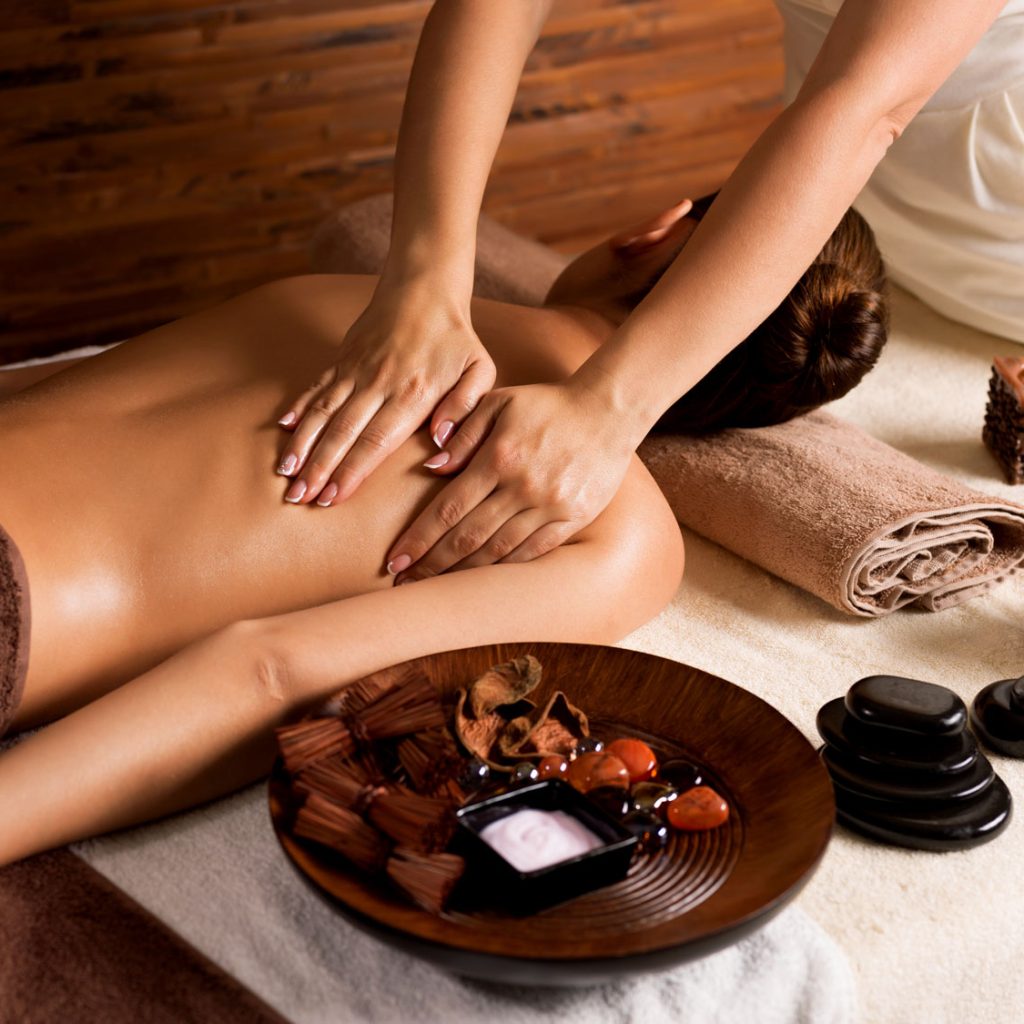
The term massage therapy benefits refers to the potential physical and psychological effects associated with structured manipulation of muscles and other soft tissues. These effects may include relaxation, temporary relief from certain types of discomfort and improvements in perceived wellbeing.
Massage is not a single standardized procedure. Techniques vary in pressure, rhythm, duration and the body areas receiving attention. Some approaches emphasize gentle relaxation, while others involve targeted pressure or assisted movement. The appropriate choice depends on personal preferences, health considerations and the purpose of the session.
What happens during a massage session?
During massage, pressure and movement stimulate sensory receptors in the skin and underlying tissues. These sensations may influence how the nervous system processes touch and discomfort. A calm environment and a period of uninterrupted rest can also contribute to the overall experience.
Researchers continue to investigate the mechanisms behind massage therapy benefits. Possible explanations involve sensory processing, responses to touch and psychological factors. However, individual mechanisms are not sufficiently established to justify claims that massage removes toxins, repairs damaged tissues or reliably corrects circulation problems.
The most useful approach is to distinguish what a person experiences from what research has demonstrated. Feeling relaxed after massage is meaningful, but it does not automatically indicate that a medical condition has improved.
Why relaxation and clinical outcomes are different
Someone with tight shoulders may notice greater comfort after a session. That improvement can be valuable, yet the underlying cause of recurring discomfort may involve workstation habits, activity levels, sleep or a medical condition requiring separate attention.
When evaluating massage therapy benefits, consider three questions: Does the treatment improve how someone feels immediately? Does it improve measurable physical function? Does that improvement last? Research does not always provide equally strong answers to all three.
Massage is best considered a complementary wellness option rather than a replacement for medical assessment or treatment. Setting realistic expectations makes it easier to appreciate the experience without assuming results that have not been demonstrated.
7 Massage Therapy Benefits Worth Understanding
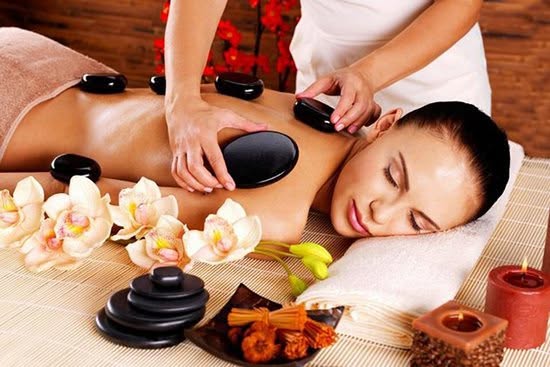
The following massage therapy benefits represent common reasons people choose massage and areas that have attracted scientific interest. Importantly, the strength of supporting evidence varies, and no treatment guarantees the same outcome for everyone.
1. Encouraging relaxation and stress relief
Relaxation is among the most frequently reported reasons for booking massage. A quiet setting, comfortable positioning and rhythmic movements can create a welcome break from demanding schedules and constant stimulation.
For people experiencing everyday stress, massage may offer time to disconnect from screens, focus on physical sensations and experience a greater sense of calm. These subjective effects are an important part of massage therapy benefits, even when they cannot be translated directly into long-term medical outcomes.
Some clinical studies have observed reductions in anxiety symptoms among particular patient groups. Nevertheless, findings are inconsistent, and massage should not be presented as an established treatment for diagnosed anxiety disorders. Persistent or severe symptoms deserve appropriate professional support.
2. Easing everyday muscle tension
Long periods of sitting, driving or performing repetitive tasks can leave the neck, shoulders and back feeling uncomfortable. Gentle or moderate massage may help some people experience temporary relief from these sensations.
In this context, massage therapy benefits are primarily associated with perceived comfort rather than proof that muscle structure has been permanently changed. A relaxed feeling does not necessarily mean the underlying cause of recurring tension has disappeared.
Regular movement breaks, suitable exercise, adequate rest and comfortable working arrangements remain important. Combining these habits with occasional massage may offer a more practical approach than relying on treatments alone.
3. Supporting short-term pain management
Researchers have examined massage for conditions including lower back pain, neck discomfort and some forms of chronic musculoskeletal pain. Certain studies suggest that massage can reduce pain in the short term, although the overall certainty of evidence is often limited.
These findings make massage therapy benefits relevant to discussions about complementary pain management. However, effectiveness depends on the condition being treated, the techniques used and the characteristics of the individual receiving massage.
Persistent pain should not automatically be attributed to tight muscles. Severe pain, unexplained weakness, numbness, fever or symptoms following an injury require medical evaluation. Massage should never delay necessary assessment or treatment.
4. Encouraging better sleep experiences
Some people describe feeling calmer or more prepared for sleep after a relaxing massage. A reduction in perceived stress may make it easier to transition from a busy day into an evening routine.
Research examining massage therapy benefits for sleep has produced mixed findings across different populations. While certain studies report improvements in self-rated sleep quality, the evidence does not establish massage as a reliable treatment for chronic insomnia.
Healthy sleep habits remain essential. Consistent sleep times, a suitable bedroom environment and appropriate management of caffeine and evening stimulation can all contribute to better rest. Massage may complement these practices when an individual finds it relaxing.
5. Supporting comfort after physical activity
Walking, hiking, swimming and exercise can sometimes produce temporary muscle soreness or fatigue. Massage may help certain individuals feel more comfortable during recovery periods, particularly when the pressure is appropriate.
For active people, massage therapy benefits should be understood in terms of possible improvements in soreness and perceived recovery. Evidence does not consistently show that massage increases athletic performance, accelerates tissue repair or prevents injuries.
Recovery also depends on sleep, nutrition, training load and sufficient rest. Anyone experiencing unusual swelling, sharp pain or a suspected injury should seek appropriate advice before choosing intensive massage.
6. Improving body awareness and comfort
Massage encourages attention to areas that feel sensitive, restricted or uncomfortable. Some people find that this experience helps them recognize patterns of tension and become more aware of how their bodies respond to pressure.
This aspect of massage therapy benefits is largely experiential. It should not be confused with evidence that massage corrects posture, realigns the body or permanently changes movement patterns.
Comfortable communication is essential. You should feel free to request lighter pressure, avoid a sensitive area or stop a technique. The most appropriate pressure is not necessarily the strongest pressure someone can tolerate.
7. Creating space for personal wellbeing
Making time for rest can be difficult when professional responsibilities, family commitments and travel schedules compete for attention. Massage offers a structured opportunity to pause and focus on personal comfort.
Among the broader massage therapy benefits, this sense of intentional self-care may be particularly meaningful. The value of a peaceful experience can differ between individuals and does not need to be described as a medical treatment to be worthwhile.
If relaxation is your main goal, consider starting with a gentle treatment and adjusting the experience according to your preferences. A comfortable environment, respectful communication and realistic expectations matter more than choosing the most intensive technique.
What Scientific Research Says About Massage Therapy Benefits
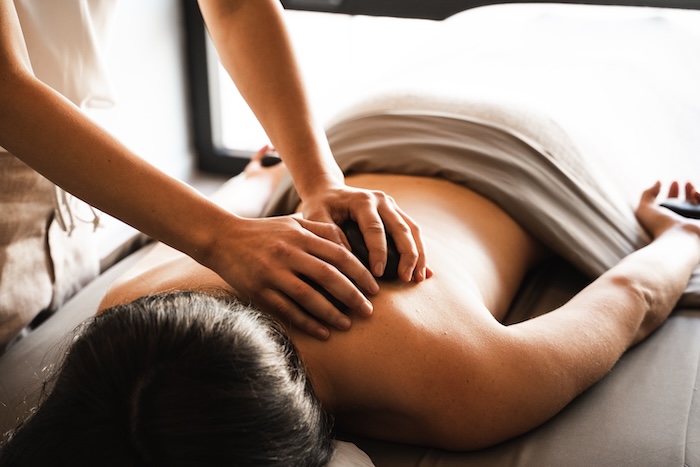
Scientific interest in massage therapy benefits has increased, but interpreting the evidence requires care. Clinical trials differ in participant characteristics, massage methods, treatment schedules and comparison groups. These differences can make broad conclusions difficult.
Evidence for back and neck pain
The US National Center for Complementary and Integrative Health explains that some research suggests massage may help with certain pain conditions, particularly over shorter periods. Its resource, Massage Therapy: What You Need To Know, provides an accessible overview of the evidence.
Studies of lower back pain have reported possible short-term improvements, but many findings are supported by low-certainty evidence. Research on neck and shoulder discomfort also suggests potential benefits without establishing reliable long-term effectiveness.
When considering massage therapy benefits for pain, it is helpful to examine functional improvement alongside symptom relief. Being able to move comfortably and complete everyday activities may matter more than a temporary change in a pain score.
Massage may be considered alongside appropriate exercise, education and medical care. The right approach depends on the cause, severity and duration of symptoms rather than a universal treatment formula.
Massage, anxiety and emotional wellbeing
Some studies involving people with specific medical conditions have reported reductions in anxiety after massage. However, findings differ considerably, and the evidence remains insufficient to establish massage as a stand-alone treatment for anxiety disorders.
The NCCIH overview of complementary health approaches for anxiety discusses the available research and its limitations. Understanding this distinction helps keep claims about massage therapy benefits accurate and responsible.
People seeking relaxation may still find massage enjoyable and worthwhile. Those experiencing persistent anxiety should consider evidence-based psychological or medical support rather than relying exclusively on wellness treatments.
Understanding research limitations
Massage studies face several challenges. Techniques may differ between practitioners, participants often know whether they are receiving massage, and expectations can influence self-reported outcomes.
Research may also involve small groups or short follow-up periods. Consequently, a positive finding does not always demonstrate that an effect will last or apply to everyone.
When reading claims about massage therapy benefits, ask whether the research measured short-term comfort, physical function or long-term health. Also consider whether the findings have been reproduced in independent studies.
The most balanced conclusion is that massage may offer meaningful benefits for certain people and purposes, while many proposed effects require stronger scientific investigation.
Comparing Popular Massage Techniques
Choosing a treatment involves more than identifying the strongest or most popular technique. To experience massage therapy benefits comfortably, consider your goals, preferred pressure and any health-related precautions.
Swedish massage
Swedish massage commonly combines long gliding strokes, kneading and rhythmic movements. It is often selected by people seeking full-body relaxation or trying massage for the first time.
Pressure can usually be adapted to personal comfort. Someone who dislikes intense pressure may prefer this approach, although individual techniques and treatment experiences vary.
Deep tissue massage
Deep tissue massage generally uses more focused pressure to address areas of perceived muscular tension. It may appeal to people who prefer concentrated attention on particular muscle groups.
However, stronger pressure does not automatically produce greater massage therapy benefits. Excessive force may cause unnecessary discomfort or bruising, especially in people with sensitive tissues or certain health conditions.
Sports massage
Sports massage is commonly associated with the needs of physically active individuals. Techniques may focus on muscle groups involved in particular activities or areas experiencing post-exercise discomfort.
It can be considered as a comfort-focused addition to a recovery routine. Nevertheless, massage should not replace rehabilitation, appropriate training adjustments or medical assessment following an injury.
Thai massage and hot stone massage
Traditional Thai massage may combine pressure, assisted movement and stretching. People with joint instability, restricted mobility or certain musculoskeletal conditions should discuss suitability before participating.
Hot stone massage combines massage techniques with heated stones. Temperature control is particularly important because excessive heat can cause burns, especially when someone has reduced skin sensation.
The comparison below summarizes how different approaches may relate to massage therapy benefits without implying that one technique is universally superior.
| Massage style | Common goal | Important consideration |
|---|---|---|
| Swedish massage | General relaxation | Choose comfortable pressure |
| Deep tissue massage | Focused muscle comfort | Avoid excessive force |
| Sports massage | Comfort after activity | Not a substitute for injury care |
| Thai massage | Pressure and assisted stretching | Consider mobility limitations |
| Hot stone massage | Warmth and relaxation | Check heat tolerance |
Before booking, describe the experience you want rather than relying entirely on treatment names. Explaining whether you prefer gentle relaxation or focused muscle work can help identify a more suitable option.
How to Experience Massage Therapy Benefits Safely
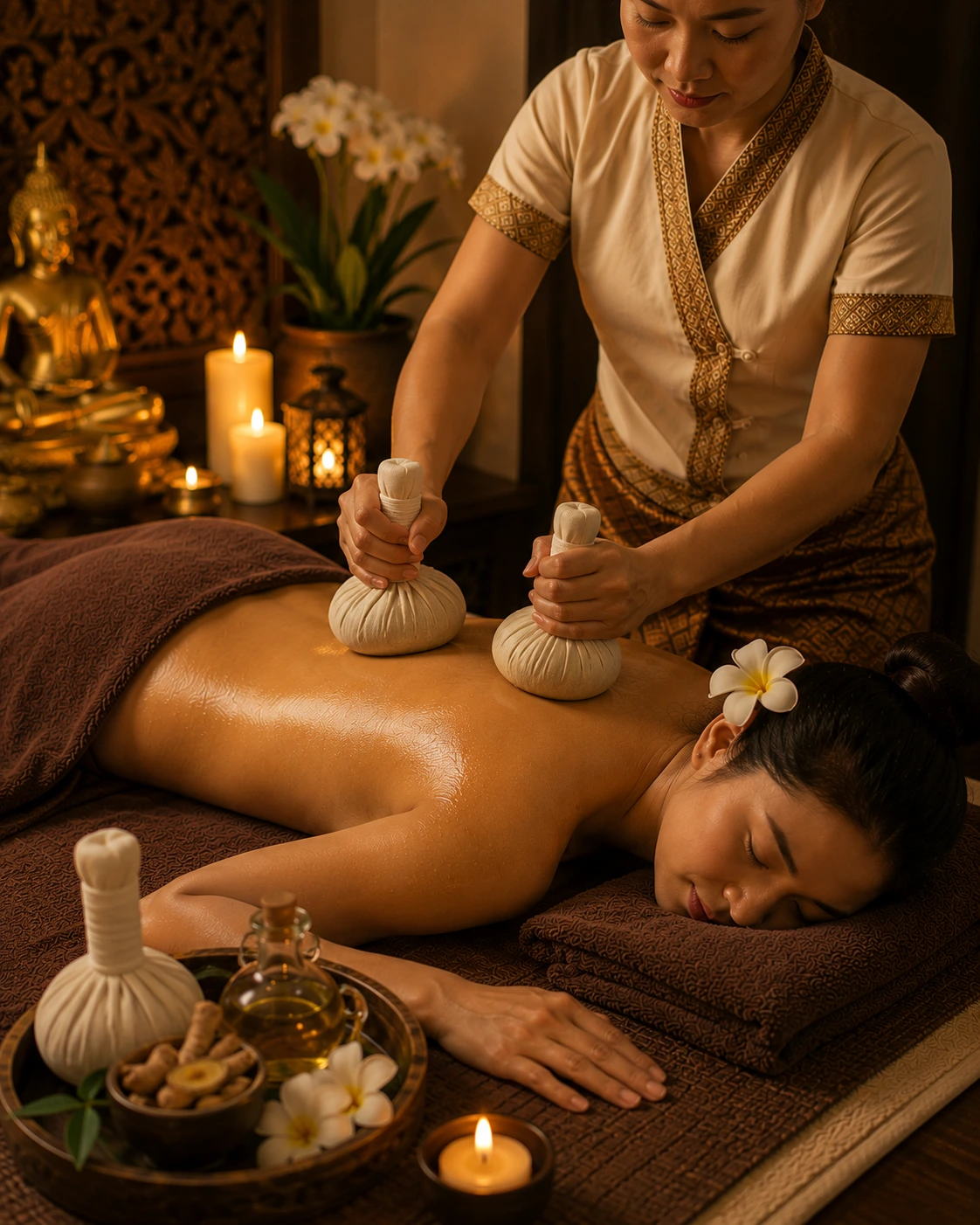
Safety is an essential consideration when exploring massage therapy benefits. Although massage is generally well tolerated by many healthy adults, certain techniques and health conditions can increase the likelihood of adverse effects.
Choosing the right treatment
Begin by identifying your primary goal. Are you looking for relaxation, relief from everyday muscle discomfort or a quiet break during a busy holiday? Your answer can help guide treatment selection.
First-time visitors may prefer lighter pressure before considering more intensive approaches. A session should be adapted to individual comfort rather than following a rigid assumption that stronger techniques are always better.
Before and after your massage
Before a session, disclose relevant injuries, medical conditions, skin sensitivities and any medications that may affect safety. Mention areas you would prefer to avoid and explain your pressure preferences.
During the treatment, communicate if something feels painful, uncomfortable or excessively warm. Afterwards, allow time to rest if needed and drink according to normal thirst.
There is no reliable evidence that drinking unusually large quantities of water is necessary to remove toxins released by massage. Understanding massage therapy benefits also involves recognizing when popular wellness explanations lack scientific support.
Temporary soreness can occasionally occur, particularly after more intensive techniques. Significant pain, unusual bruising or concerning symptoms should prompt appropriate medical advice.
When medical advice is important
People with suspected blood clots, bleeding disorders, significant osteoporosis, acute injuries, active infections or recent surgery should seek medical guidance before massage. Those taking anticoagulant medication may also require particular caution.
Pregnant individuals and people undergoing treatment for serious illnesses should discuss suitable techniques and any necessary precautions with their healthcare professionals.
These considerations do not mean massage is automatically unsuitable for everyone with a medical condition. Rather, they highlight the importance of individual assessment and appropriate modifications.
For further guidance on safety and massage therapy benefits, consult the NCCIH resource 6 Things To Know About Massage Therapy for Health Purposes.
Exploring Massage Experiences at Six Senses in Paphos
Paphos offers opportunities to combine sightseeing, coastal activities and personal relaxation. After exploring the area or spending time travelling, some visitors appreciate a peaceful massage experience as part of their holiday routine.
At Six Senses Spa Paphos, visitors can explore massage options and consider how different techniques align with their preferences. Understanding massage therapy benefits beforehand can help create realistic expectations and encourage more informed choices.
Matching a massage to your wellness goals
If relaxation is your priority, consider learning about gentler massage styles. If you are physically active, the sports massage in Paphos guide provides additional information about approaches associated with active lifestyles.
Couples interested in spending relaxing time together can also explore couples massage in Paphos. A shared wellness experience can be enjoyable without requiring claims about specific medical outcomes.
If you are uncertain which treatment suits you, contact Six Senses to discuss available options, pressure preferences and any relevant health considerations. Asking questions before booking is a practical way to make your experience more comfortable.
Building a balanced wellness routine
To make the most of massage therapy benefits, consider massage alongside regular physical activity, sufficient sleep, balanced nutrition and sensible stress management.
Visitors may prefer scheduling a massage when their itinerary allows time to relax afterwards. Residents and expatriates in Cyprus can choose treatments according to individual needs rather than assuming everyone requires the same frequency.
Explore your options: Read the massage guide for Paphos to compare different styles, then contact Six Senses to discuss a treatment that aligns with your relaxation and wellness goals.
Frequently Asked Questions About Massage Therapy Benefits
Is massage therapy actually good for your health?
Massage may provide relaxation and temporary relief from certain types of discomfort. Some clinical studies report benefits for particular pain conditions, although evidence quality varies. Massage therapy benefits should not be interpreted as proof that massage treats every health problem. Individual needs and medical circumstances remain important.
How often should you get a massage?
There is no scientifically established frequency suitable for everyone. People seeking relaxation may schedule sessions according to preference, comfort and budget. Those managing specific health concerns should discuss appropriate treatment plans with qualified healthcare professionals. More frequent massage does not necessarily mean better results.
Can massage help with back pain?
Some research suggests massage may provide short-term relief for certain people experiencing lower back pain. However, the evidence does not establish reliable long-term benefits for everyone. Persistent or worsening pain requires appropriate evaluation. Massage may complement, but should not replace, recommended treatment.
Does massage improve sleep quality?
Some individuals report feeling more relaxed and sleeping better after massage. Research findings remain mixed, particularly regarding long-term sleep outcomes. Massage is not an established stand-alone treatment for chronic insomnia. Consistent sleep habits and appropriate healthcare support remain important.
Is deep pressure more effective?
Stronger pressure does not automatically improve outcomes. Excessive force can cause discomfort, bruising or injury in susceptible individuals. To experience massage therapy benefits safely, pressure should match personal preferences and health considerations. Communicate immediately when a technique feels uncomfortable.
Who should avoid massage?
People with suspected blood clots, certain bleeding conditions, acute injuries or active infections should seek medical advice before massage. Recent surgery, significant osteoporosis and some medications may require additional precautions. Pregnancy and serious medical conditions can also influence technique selection. Individual assessment is preferable to assuming massage is safe or unsafe for everyone.
Final Thoughts: Making Massage Part of Your Wellness Journey
Current research suggests massage may help some people relax and experience short-term relief from certain forms of discomfort. However, evidence quality varies, and many proposed effects require stronger research before firm conclusions can be made.
Understanding massage therapy benefits means recognizing both their potential value and their limitations. Choosing appropriate techniques, communicating preferences and respecting medical precautions can help create a more comfortable experience.
If you are looking for relaxation in Paphos, Cyprus, explore the massage options available at Six Senses. Learn about different treatment styles, consider your personal wellness goals and choose an experience that feels right for you.
Discover Six Senses Spa Paphos: Explore massage experiences and contact Six Senses to learn more about suitable treatments. Your wellness journey can begin with a simple, informed decision to make time for rest and personal comfort.