
No products in the cart.
Consultation
7 Things That Make Asian Herbal Massage Worth Experiencing
Warmth settles gently across the body. Fresh herbal aromas fill the treatment room. Rhythmic pressure from a cloth compress alternates with the reassuring touch of a trained therapist. These elements come together in Asian Herbal Massage, a traditional-inspired wellness ritual designed to engage more than one sense at a time.
For guests curious about Asian wellness traditions, this experience offers something noticeably different from a conventional oil massage. Asian Herbal Massage commonly combines manual massage techniques with steamed cloth pouches containing aromatic herbs. The precise ingredients and techniques vary according to regional tradition and spa protocol.
Rather than viewing the treatment as a cure for a medical condition, it is more appropriate to understand it as a sensory wellness experience built around comfortable warmth, aroma, touch and relaxation. Here are seven characteristics that make it worth discovering.
What Is Asian Herbal Massage?
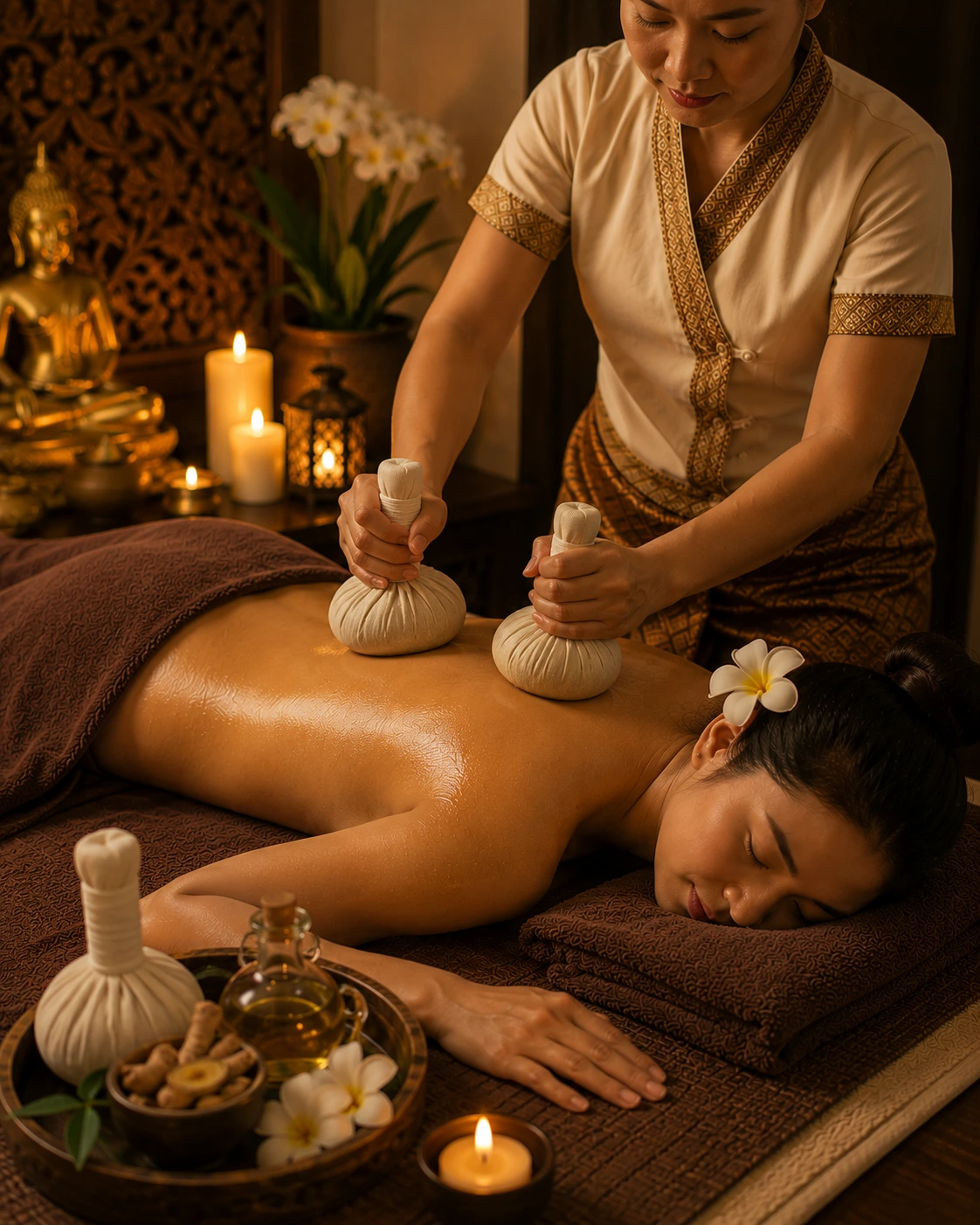
Asian Herbal Massage is a broad term for massage experiences that incorporate heated herbal preparations inspired by traditional Asian wellness practices. One of the most recognizable forms is Thai herbal compress massage, which uses cloth bundles filled with aromatic botanical ingredients.
The herbal pouch is warmed, usually with steam, before being applied to selected areas of the body. Depending on the treatment, the therapist may press, dab, roll or briefly hold the compress against the body before alternating it with hands-on massage.
How warm herbal compresses are used
The temperature is an important part of the experience. A freshly heated compress should be carefully tested before touching the body and should feel comfortably warm rather than painfully hot.
As the compress gradually cools, the therapist can adjust the length and style of contact. This changing sensation of warmth helps give Asian Herbal Massage its characteristic rhythm.
Traditional influences behind herbal compress massage
Thai herbal compress practice is commonly associated with the term Luk Pra Kob. Similar combinations of local herbs, warmth and bodywork also appear in wellness traditions across Southeast Asia.
Modern spa treatments may adapt these practices, so not every service follows exactly the same formula. A responsible description should therefore distinguish traditional inspiration from claims about medically proven effects.
7 Things That Make Asian Herbal Massage Worth Experiencing
1. Warm herbal compresses create a unique sensory experience
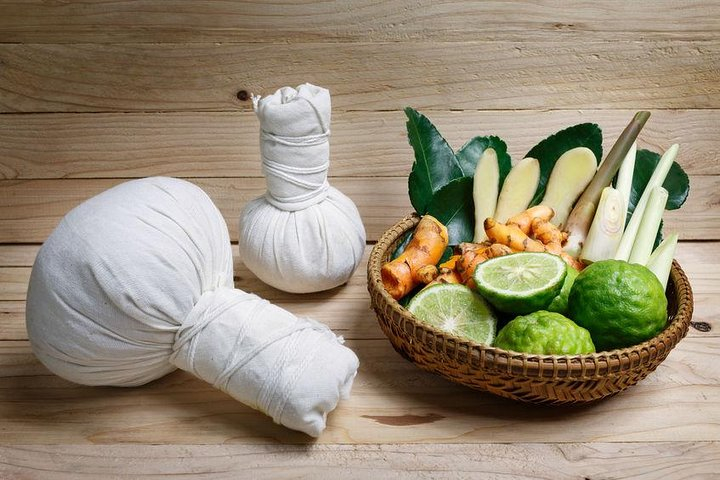
The defining feature of Asian Herbal Massage is the warm herbal pouch. Unlike ordinary massage, the therapist can alternate direct hand contact with the softer pressure and warmth of a cloth compress.
This creates several sensations at once. You notice the temperature of the pouch, its gentle pressure, the texture of the cloth and the aroma released from the warmed botanical ingredients.
2. Heat and massage work together
Warmth does not replace skilled massage. Instead, the compress becomes another tool that the therapist can incorporate into a carefully paced treatment.
Some sessions begin with manual massage before introducing the warm herbal compress. Others alternate the two techniques throughout the treatment. The exact sequence depends on the spa protocol and your comfort preferences.
3. Aromatic herbs enrich the ritual
Fragrance is another feature that distinguishes Asian Herbal Massage. Ingredients such as lemongrass, makrut lime, turmeric and ginger-family plants can create fresh, citrus, earthy or spicy aromatic notes when warmed.
Scent preferences are personal. If you are sensitive to strong aromas or have known plant allergies, discuss the ingredients with your therapist before the session.
4. The herbal pouch brings traditional wellness into the spa
A herbal compress may look simple, but preparing and applying it properly requires care. Plant materials are placed inside cloth, tied securely and heated before use. The therapist must then control temperature, contact time and pressure throughout the session.
For guests interested in traditional Asian wellness, this makes Asian Herbal Massage more than a conventional massage with an added fragrance. The compress itself is central to the ritual.
5. It can offer a gentler alternative to intense massage
Not everyone wants deep or forceful pressure. Depending on the treatment protocol, a herbal compress massage can emphasize rhythmic warmth and moderate massage rather than intensive pressure.
This can make the experience appealing to guests who value comfort and sensory relaxation. However, massage intensity varies between treatments, so always communicate your preferred pressure.
6. The experience can be personalized for comfort
A good treatment should not follow a rigid routine regardless of the guest. Pressure, compress temperature, fragrance and areas of focus can often be adjusted according to individual comfort.
If a compress feels too hot, ask your therapist to remove it immediately. Likewise, speak up if the pressure is uncomfortable or if an aroma becomes overwhelming.
7. It creates dedicated time to slow down
One of the most straightforward reasons to choose Asian Herbal Massage is simply the opportunity to disconnect from a busy routine. Warmth, repetitive movements and botanical aromas create an environment centered on stillness rather than stimulation.
The value of that pause should not be underestimated. A spa ritual does not need exaggerated medical promises to provide a meaningful wellness experience.
Curious about the experience? Discover the warmth and comfort of traditional herbs and book your Asian Herbal Massage at Six Senses.
What Herbs Are Used in Asian Herbal Massage?
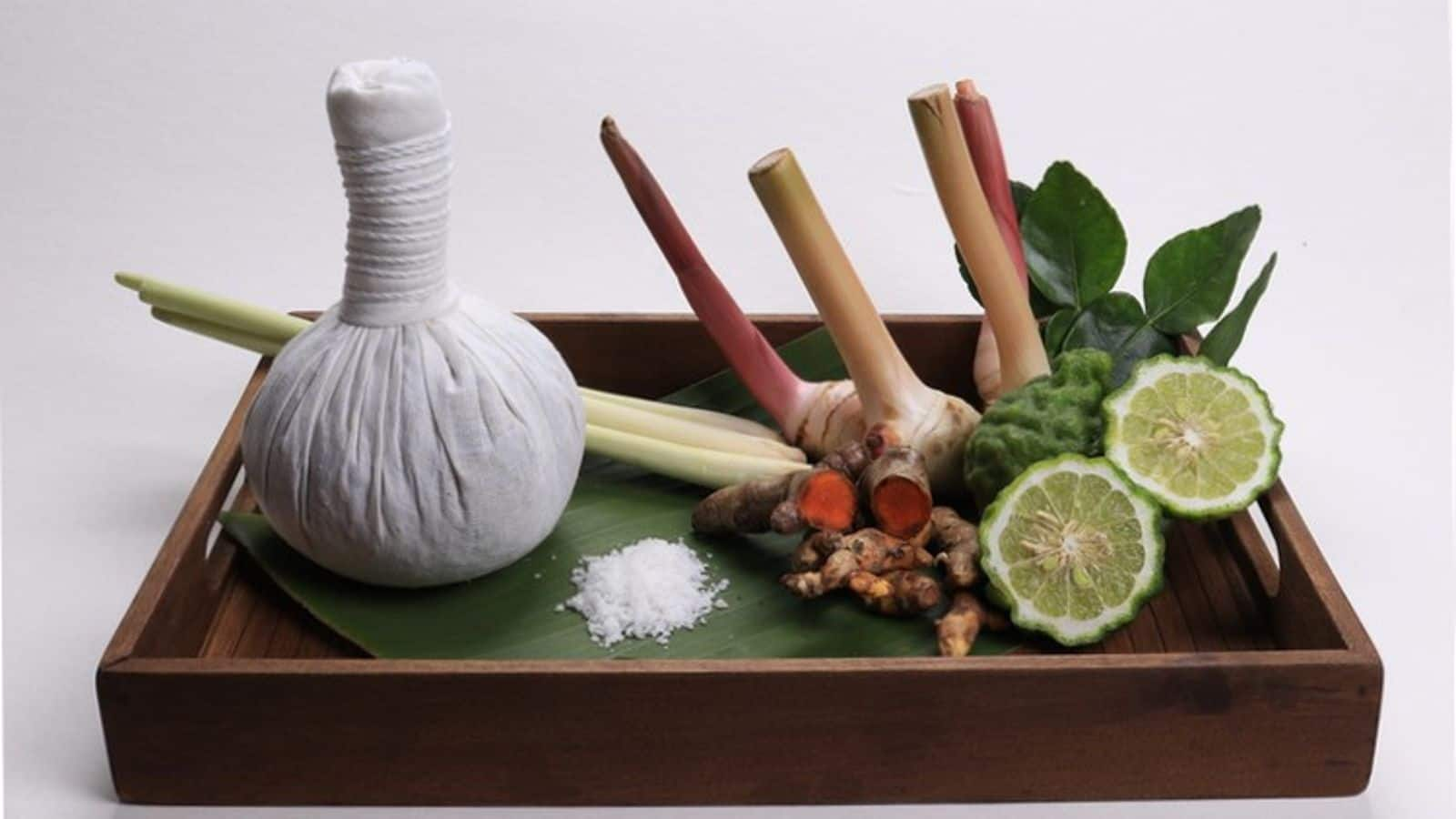
There is no universal ingredient list for Asian Herbal Massage. Herbal formulas vary by country, regional tradition, practitioner and spa. This is one reason guests with allergies should ask about the actual blend being used rather than assuming every herbal pouch contains the same ingredients.
Common herbs in a traditional compress
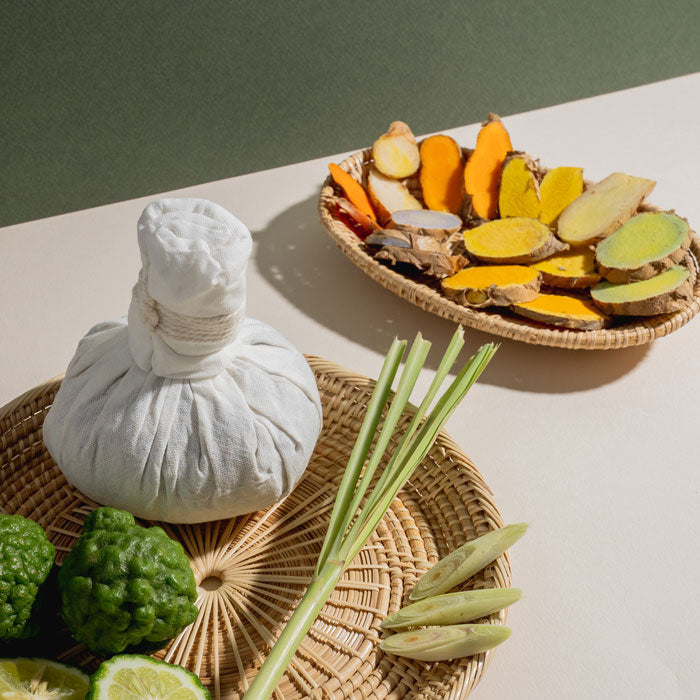
Thai-inspired herbal compress blends commonly feature aromatic ingredients such as lemongrass, turmeric, makrut lime and plants from the ginger family. Other leaves, roots, spices or aromatic botanicals may also be included.
These ingredients have histories of traditional use, but traditional use should not automatically be interpreted as proof that a spa treatment can prevent or cure a medical condition.
Why herbal blends vary
Local plant availability, regional traditions and individual spa formulations all influence the contents of a compress. Some blends emphasize bright citrus aromas, while others have warmer, earthier or more herbal scent profiles.
If fragrance is an important part of your experience, ask about the blend before beginning your Asian Herbal Massage. Guests with sensitive skin should also disclose known sensitivities or allergies.
What to Expect During an Asian Herbal Massage
Knowing what happens during the treatment can make a first session feel much more comfortable. Although procedures differ between spas, professional care should prioritize consultation, privacy, appropriate temperature and communication.
Before the session
Your therapist may ask about your preferred pressure, areas you want to focus on, allergies, skin sensitivity and relevant health considerations. This is also the right time to ask what ingredients are inside the herbal compress.
Tell your therapist if you are uncomfortable with strong fragrance or heat. Personal preferences are important when customizing Asian Herbal Massage.
During the herbal compress treatment
The herbal pouches are heated before application. Because a freshly steamed compress can be particularly warm, the therapist may initially use quicker pressing or dabbing movements before increasing contact time as the pouch cools.
Manual massage may be incorporated before, after or between compress applications. You should feel free to request adjustments at any stage of the treatment.
After your massage
Give yourself a few quiet moments before returning to a busy schedule. Follow any specific aftercare advice provided by the spa, particularly if botanical products remain on the skin.
There is no need to rely on extreme detox routines after massage. Normal hydration, comfortable rest and attention to how you feel are sensible choices.
Asian Herbal Massage vs Other Massage Styles
The right massage depends on the experience you want. Comparing the main characteristics can help you decide whether Asian Herbal Massage matches your preferences.
| Massage style | Main feature | Heat | Aroma | Typical experience |
|---|---|---|---|---|
| Asian Herbal Massage | Herbal compress plus manual massage | Yes | Usually prominent | Warm and sensory-focused |
| Traditional Thai Massage | Pressure and assisted movement | Not required | Not required | Active and movement-focused |
| Aromatherapy Massage | Massage with aromatic oils | Optional | Prominent | Flowing and aroma-focused |
| Hot Stone Massage | Heated stones and massage | Yes | Optional | Heat-focused |
| Deep Tissue Massage | Targeted manual techniques | Not required | Optional | Usually firmer |
If warmth and botanical aromas are particularly appealing to you, Asian Herbal Massage offers a combination that conventional oil massage does not provide.
Who May Enjoy Asian Herbal Massage?
When this treatment may suit you
Asian Herbal Massage may be worth exploring if you enjoy heated spa treatments, botanical aromas and moderate massage pressure. It may also appeal to people looking for an experience rooted in traditional Asian wellness practices rather than a standard oil massage.
It is particularly suitable as an experiential choice. Instead of booking it because of promises of dramatic health outcomes, choose it because the combination of warmth, aroma and massage matches the kind of relaxation you enjoy.
When extra caution is appropriate
Heat-based treatments are not appropriate for every person. Extra caution may be necessary if you have reduced heat sensation, active skin irritation, open wounds, a recent injury or another condition that could affect your response to heat.
Pregnant guests and people recovering from surgery or managing significant medical conditions should discuss massage with an appropriate healthcare professional. Always tell your therapist about known allergies to herbs or botanical products before treatment.
How to Prepare for Your First Asian Herbal Massage
You do not need a complicated preparation routine. The most useful thing you can do before an Asian Herbal Massage is communicate clearly about comfort, fragrance preferences and any relevant sensitivities.
- Arrive early enough to complete your consultation without rushing.
- Tell the therapist about allergies and sensitive skin.
- Ask which herbs are included in the compress.
- Mention areas where you do not want heat or pressure applied.
- Request an immediate adjustment if the compress feels too hot.
- Choose pressure according to comfort rather than assuming stronger is better.
- Approach the treatment as a wellness ritual rather than a medical cure.
At Six Senses, your spa experience should be centered on comfort and mindful care. Experience the warmth and comfort of traditional herbs and book your Asian Herbal Massage today.
Frequently Asked Questions About Asian Herbal Massage
What is Asian Herbal Massage?
Asian Herbal Massage combines massage techniques with warmed herbal preparations inspired by Asian wellness traditions. Thai herbal compress massage is one of the best-known examples. The exact technique and herbal formula can vary between spas.
Learn more: Thai herbal compress therapy
What is inside a herbal massage compress?
Ingredients vary, but Thai-inspired compresses may include lemongrass, turmeric, makrut lime and ginger-family plants. Additional roots, leaves and aromatic botanicals may also be included. Guests with allergies should always ask for ingredient information before treatment.
Does Asian Herbal Massage hurt?
A relaxation-focused Asian Herbal Massage should not require you to tolerate pain. Pressure and heat should remain comfortable throughout the treatment. Tell your therapist immediately if either feels excessive.
How hot should a herbal compress be?
It should feel comfortably warm on the body rather than painfully hot. Because freshly steamed herbal pouches retain substantial heat, the therapist should test and control the temperature carefully. Burning or sharp heat is a reason to stop the application immediately.
How long does Asian Herbal Massage take?
Duration varies according to the spa and treatment format. Herbal compress work may form part of a longer massage rather than being used continuously throughout the appointment. Check the service description before booking for the exact duration.
Is herbal compress massage suitable for everyone?
No. Certain skin conditions, allergies, reduced heat sensation, injuries or medical circumstances may require treatment modification or avoidance. If you are uncertain whether massage or heat is appropriate for you, seek advice from a qualified healthcare professional.
Bring warmth, aromatic herbs and mindful touch into your next wellness experience. Experience the warmth and comfort of traditional herbs and book your Asian Herbal Massage at Six Senses today.