
No products in the cart.
Consultation
7 Situations When an Anti-Stress Massage Can Help You Slow Down
When your calendar is full, your shoulders stay tense and even quiet moments feel rushed, it may be time to give your nervous system a gentler pace. An Anti-Stress Massage is designed around relaxation, comfortable pressure and unhurried touch rather than an intense, performance-focused treatment. For busy professionals, travelers and anyone carrying everyday physical or mental pressure, an Anti-Stress Massage can create a protected pause in which the body is allowed to soften and attention can move away from constant demands.
This guide explains seven common situations in which an Anti-Stress Massage may be worth considering, what you can realistically expect from a session, and when it is better to speak with a healthcare professional first. Massage can support relaxation and ease muscle tension for some people, but it should not be presented as a cure for stress, anxiety or a medical condition. Research on massage and anxiety is mixed, so the most useful goal is often simple: comfort, rest and a temporary reduction in everyday tension.
What Is an Anti-Stress Massage and How Does It Support Relaxation?
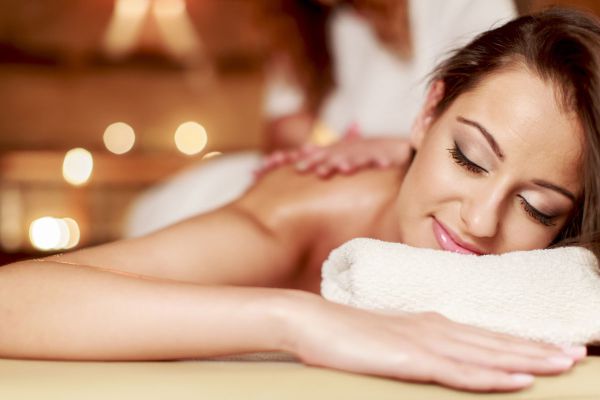
An Anti-Stress Massage is generally a relaxation-focused massage that uses smooth strokes, gentle to moderate pressure and steady pacing. Depending on the spa and your preferences, the therapist may focus on the back, shoulders, neck, scalp, arms or legs. Some sessions also use warm oil or aromatherapy, provided that the products are appropriate for you.
The purpose of an Anti-Stress Massage is not to force tight muscles to release or to promise a medical outcome. Instead, the session is usually structured to reduce sensory overload, ease areas that feel tense and help you shift into a quieter state. Cleveland Clinic describes massage therapy as a hands-on approach that can support relaxation and reduce muscle tension, while Mayo Clinic notes that massage may help reduce stress and ease muscle stiffness or tension. Evidence varies by condition, so results should be treated as individual rather than guaranteed.
Compared with a deep tissue massage, an Anti-Stress Massage is usually softer and more restorative. Compared with a sports massage, it is less focused on athletic performance or specific recovery goals. If your priority is to slow down rather than to work aggressively on one painful area, an Anti-Stress Massage may be a better fit.
| Massage style | Typical goal | Common pressure | Often suits |
|---|---|---|---|
| Anti-Stress Massage | Relaxation and everyday tension relief | Light to medium | Busy periods, travel fatigue and general self-care |
| Deep tissue massage | More targeted muscular work | Medium to firm | People who prefer focused pressure on tight areas |
| Sports massage | Activity-related preparation or recovery | Varies by goal | Active people and athletes with specific performance needs |
7 Situations When an Anti-Stress Massage May Help You Slow Down

1. Your Workday Ends but Your Body Still Feels Switched On
Long meetings, deadlines and constant notifications can make it difficult to transition from work mode into personal time. You may leave the office while your jaw remains tight, your shoulders stay lifted and your mind keeps replaying unfinished tasks. An Anti-Stress Massage creates a clear boundary between productivity and recovery by giving you a period with fewer decisions and fewer external demands.
For desk-based professionals, the therapist can spend more time on the upper back, neck and shoulders if those areas feel overloaded. The goal is not to diagnose office-related pain but to provide muscle tension relief and a more comfortable sense of rest. If the discomfort is persistent, severe or accompanied by weakness, numbness or tingling, seek medical assessment instead of relying only on massage.
2. You Have Been Traveling and Cannot Fully Unwind
Flights, long transfers, unfamiliar beds and schedule changes can leave travelers feeling physically stiff and mentally overstimulated. An Anti-Stress Massage after a demanding travel day can be used as a quiet reset, especially when you want relaxation rather than an intense treatment. Slow, predictable touch may feel particularly welcome after hours of sitting and navigating busy airports.
Travelers should tell the therapist about recent flights, swelling, injuries or medical concerns before the session. If you have unusual one-sided leg swelling, chest pain, shortness of breath or a known risk of blood clots, do not treat massage as a solution. Seek urgent medical advice when symptoms could indicate a serious condition.
3. Your Neck and Shoulders Feel Tight After Too Much Screen Time
Hours spent looking at a laptop or phone can encourage a fixed posture and leave the upper body feeling tired. An Anti-Stress Massage can place gentle attention on the neck, shoulders and upper back without turning the session into aggressive deep tissue work. Many clients prefer this approach when the main goal is to feel lighter and more comfortable rather than to tolerate strong pressure.
Before the session begins, explain where you feel tension and how much pressure you enjoy. A professional therapist should be willing to adjust the treatment during the session. You should never feel that you have to endure painful pressure in order for a massage to be worthwhile.
4. You Feel Mentally Crowded and Need a Quiet Hour
Sometimes the clearest sign that you need rest is not pain but mental noise. You may move from one task to another without a real pause, or find that downtime still feels mentally busy. An Anti-Stress Massage can offer a structured form of self-care in which your only job is to notice comfort, breathing and the sensation of slowing down.
It is important to keep expectations realistic. Massage may help some people feel calmer, but the National Center for Complementary and Integrative Health notes that research on massage for anxiety has produced mixed results and that massage has not been established as a treatment for generalized anxiety disorder. An Anti-Stress Massage should therefore complement, not replace, appropriate mental health or medical care.
5. Your Sleep Routine Has Been Disrupted by a Busy Period
Stressful weeks often affect the habits that make rest easier, such as winding down, limiting late screen time or keeping a consistent bedtime. An Anti-Stress Massage in the late afternoon or evening can become part of a calming routine because it creates a deliberate transition away from stimulation. Some people report feeling sleepy or deeply relaxed after massage, but individual responses differ.
If sleep problems continue for several weeks, significantly affect daytime functioning or occur with other concerning symptoms, talk with a qualified healthcare professional. Use an Anti-Stress Massage as a wellness experience rather than as a substitute for diagnosing or treating persistent insomnia.
6. You Have Finished an Intense Week and Want Recovery Without Heavy Pressure
Not every tired body needs deep pressure. After a demanding week, exercise, sightseeing or long hours on your feet, you may simply want a full-body relaxation massage that feels restorative. An Anti-Stress Massage can be especially suitable when you are sensitive to strong pressure or when your priority is overall comfort rather than targeted sports recovery.
Tell your therapist whether you prefer light, medium or firmer pressure and mention any area you would like them to avoid. This helps personalize the Anti-Stress Massage and supports a more comfortable experience. If you are dealing with a recent injury, acute inflammation or unexplained pain, postpone massage until you know what is causing the problem.
7. You Keep Postponing Self-Care Because Everything Else Feels More Urgent
Self-care is easy to delay when work, family and travel commitments always seem more important. Booking an Anti-Stress Massage can turn an abstract intention to rest into a real appointment on your calendar. That matters because recovery rarely happens by accident when every open hour is filled with another task.
The value of an Anti-Stress Massage is not that it solves every source of stress. Its value is that it gives you permission to stop performing for a while. If that is what you have been missing, a scheduled hour of calming massage, quiet and professional care can be a practical way to protect time for yourself.
If one of these situations sounds familiar, leave some space in your week for recovery. At Six Senses Asian Massage and Spa in Paphos, you can explore massage options and choose a session that matches the way you want to unwind.
What to Expect During an Anti-Stress Massage

A professional Anti-Stress Massage should begin with a short conversation about your comfort, preferred pressure and any relevant health information. You can also tell the therapist which areas feel tense and which areas you do not want massaged. This is an important part of a safe, personalized session.
During the session, expect slower movements and a calmer rhythm than you might experience in a sports or deep tissue treatment. The room may use soft lighting, quiet music and warm towels to support relaxation. Pressure should remain within your comfort level, and you can ask for changes at any time.
A simple session may follow this flow:
- Brief consultation about pressure, tension areas and health considerations.
- Slow work across the back and shoulders to establish a relaxed rhythm.
- Optional attention to the neck, scalp, arms, legs or feet depending on the service.
- A quieter final phase to help you transition gradually out of the treatment.
After the massage, give yourself a few minutes before returning to a packed schedule. Drink water according to your normal needs, move gently and notice how your body feels. There is no need for a complicated detox routine, and massage should not be marketed as removing toxins from the body.
If your main concern is concentrated in the head, neck or shoulders, you may also want to compare an Asian Head Massage or a Neck, Back and Shoulder Massage. If you want a broader, soothing treatment, a Relaxing Massage may be another useful option.
How to Prepare, Stay Safe and Get More From Your Anti-Stress Massage
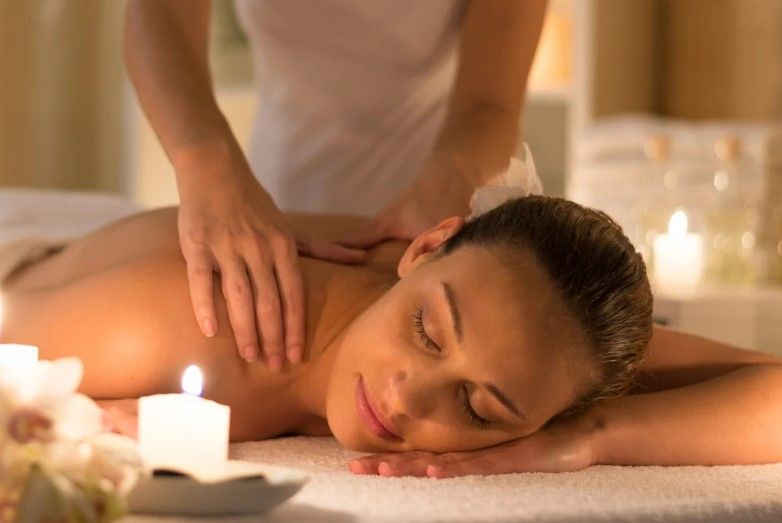
The best relaxation session is not necessarily the strongest one. A better indicator of quality is whether the therapist listens, works within your comfort and adapts the session to your needs. Arrive a little early so you are not rushing, avoid a very heavy meal immediately beforehand and share relevant health information honestly.
Use this short checklist before your session:
- Explain your preferred pressure level and the areas where you feel everyday tension.
- Mention allergies or sensitivities before oils, balms or aromatherapy products are used.
- Tell the therapist about pregnancy, recent surgery, acute injury or significant medical conditions.
- Speak up immediately if pressure feels painful, if you feel dizzy or if any technique makes you uncomfortable.
- Plan a calmer period after the session instead of rushing straight into another demanding activity.
Cleveland Clinic advises discussing massage with a healthcare provider in situations such as blood thinner use, blood clots, high-risk pregnancy, osteoporosis, certain spine conditions, implanted medical devices, acute injury or very recent surgery. Cleveland Clinic These are not the only possible precautions, so when in doubt, ask a qualified clinician before booking an Anti-Stress Massage.
Massage also should not be used to delay assessment of severe or unexplained symptoms. A relaxing wellness service is most appropriate when your goal is comfort and general self-care, not when you need a diagnosis or treatment for a medical condition.
Anti-Stress Massage FAQ
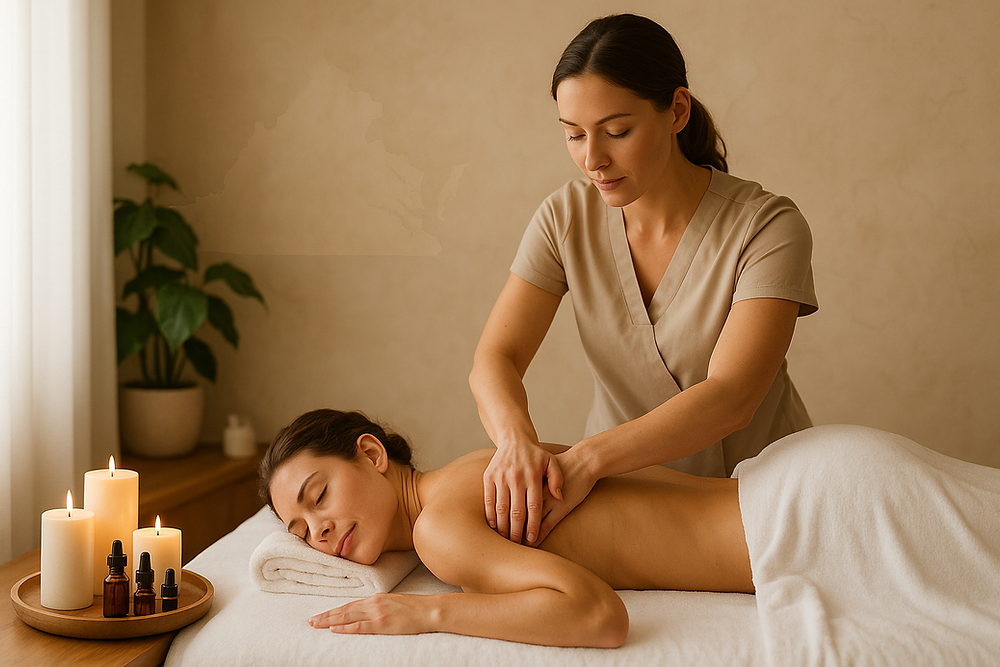
How is an Anti-Stress Massage different from a deep tissue massage?
An Anti-Stress Massage generally prioritizes relaxation, slower pacing and comfortable pressure. Deep tissue massage typically uses firmer, more targeted techniques to address deeper layers of muscle and connective tissue. If you want to unwind rather than focus on intense muscular work, an Anti-Stress Massage may feel more suitable.
How often should I get an Anti-Stress Massage?
There is no universal schedule that is right for everyone. Some people book an Anti-Stress Massage occasionally after busy periods, while others include massage in a regular wellness routine. Your preferences, budget, health status and response to treatment should guide the frequency.
Can an Anti-Stress Massage help with anxiety?
Massage can help some people feel calmer in the short term, but the evidence for treating anxiety disorders is mixed. NCCIH notes that massage has not been established as an effective treatment for generalized anxiety disorder. NCCIH If anxiety is persistent or interfering with daily life, seek evidence-based care from a qualified healthcare or mental health professional and use massage only as a complementary wellness option.
Is an Anti-Stress Massage suitable after a flight?
For many healthy travelers, a gentle Anti-Stress Massage can be a comfortable way to unwind after sitting and traveling. However, unusual swelling, chest pain, shortness of breath or known clotting risk requires medical attention rather than massage. Always tell the therapist about recent travel and any symptoms or health concerns.
Should an Anti-Stress Massage hurt to be effective?
No. An Anti-Stress Massage should stay within a pressure range that feels comfortable to you. Mild tenderness in a tense area can occur, but sharp, intense or distressing pain is a reason to ask the therapist to stop or adjust immediately.
What should I wear to an Anti-Stress Massage?
Wear comfortable clothing to the spa and follow the therapist’s guidance for the treatment itself. Professional massage services should explain draping and privacy procedures before the session. You should always be able to communicate your boundaries and choose what feels comfortable.
Where can I book an Anti-Stress Massage with Six Senses?
Six Senses Asian Massage and Spa lists Anti-Stress Massage among its massage services in Kato Pafos, Paphos, Cyprus. You can review the booking options online or contact the spa if you want help choosing a treatment. Leave the stress behind and make time for yourself – book an Anti-Stress Massage today and give your schedule one hour that is genuinely yours.