
No products in the cart.
Blogs, Consultation
Hot Stone Benefits: 8 Reasons People Choose This Warming Massage
Imagine settling into a peaceful spa room while comfortable warmth gradually softens the feeling of tension across your shoulders and back. This inviting experience helps explain why hot stone massage remains a popular choice among people seeking relaxation and a break from busy routines. Rather than relying exclusively on hands-on techniques, the treatment introduces smooth, carefully warmed stones to complement traditional massage movements.
Understanding hot stone benefits can help you decide whether this warming treatment suits your personal preferences. Some guests appreciate the sensation of heat against tired muscles, while others value the quiet atmosphere and opportunity to disconnect. However, it is important to distinguish realistic wellness experiences from exaggerated medical promises.
In this guide, we explore eight potential hot stone benefits, explain how the treatment works, discuss important precautions and help you prepare for a comfortable spa visit. Whether you are a visitor discovering Paphos, an expatriate living in Cyprus or a local resident interested in wellness, this information can help you make a more confident choice.
What Is Hot Stone Massage and How Does It Work?
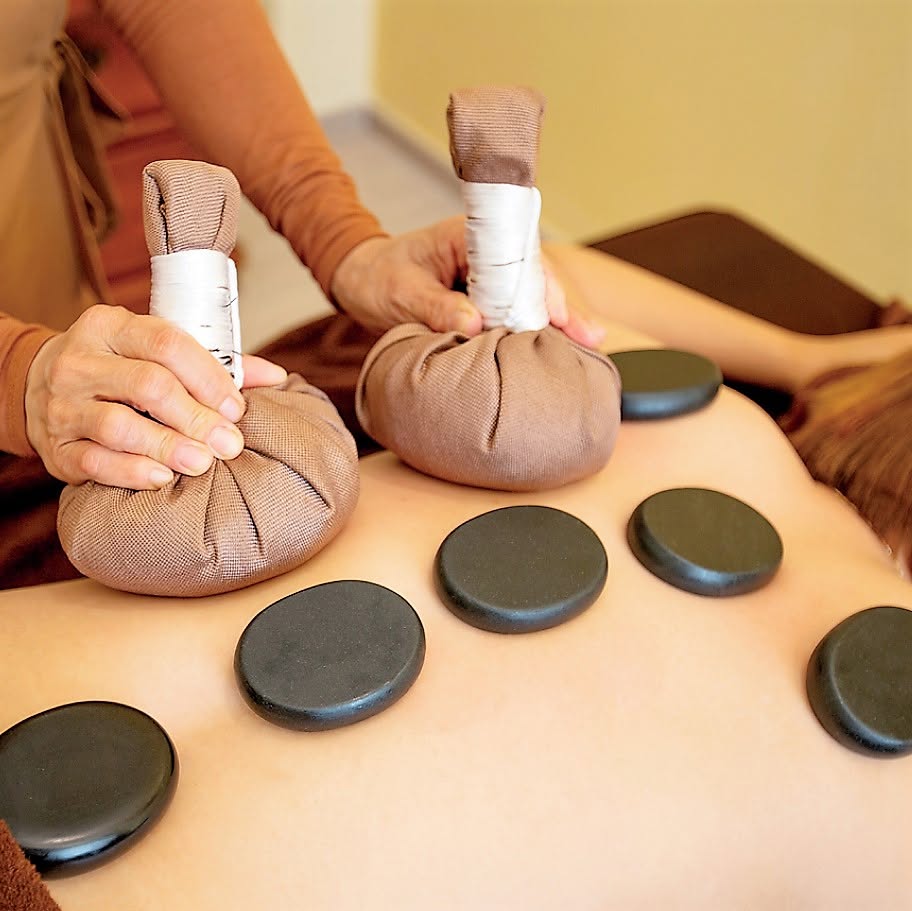
Hot stone massage is a wellness treatment that combines traditional massage techniques with smooth stones warmed to a carefully controlled temperature. The stones may be placed temporarily on selected areas of the body or moved across the skin using controlled massage strokes. The intention is to provide pleasant warmth while supporting a relaxing sensory experience.
Many hot stone benefits arise from the interaction between gentle pressure, temperature and the overall massage environment. Warmth can make certain movements feel more comfortable, although responses differ between individuals. A successful treatment should feel soothing rather than excessively hot, painful or overwhelming.
The role of heated basalt stones
Basalt is commonly used because its smooth surface and heat-retaining properties make it suitable for warming massage techniques. Stones are heated using appropriate professional equipment, and their temperature must be checked before application. Safe handling also involves monitoring the skin and avoiding prolonged exposure to uncomfortable heat.
Some techniques use stones as massage tools, while others involve brief placement over protected areas. Placement methods vary, and stones should never remain in contact with the skin when their temperature creates discomfort. Professional judgment matters more than the number of stones used.
What makes this massage different?
Unlike a conventional massage performed entirely with the hands, this treatment introduces a sustained warming sensation. The combination may feel particularly appealing to guests who enjoy gentle pressure but want a more enveloping experience.
Nevertheless, hot stone benefits do not automatically make this approach superior to Swedish massage, aromatherapy massage or other relaxation treatments. The best choice depends on your comfort with heat, treatment goals, health considerations and preferred pressure. Anyone expecting treatment for a medical condition should seek appropriate clinical advice rather than relying on a spa session.
8 Hot Stone Benefits Worth Exploring
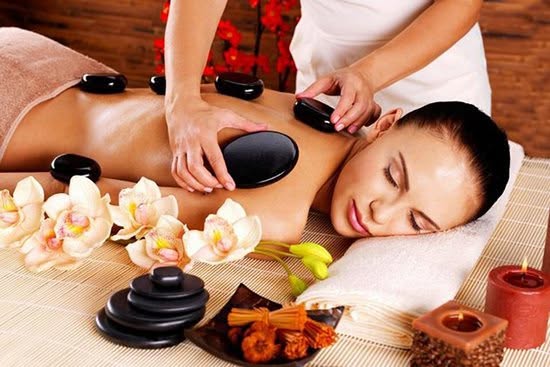
People choose warming massage for different reasons. Some want to unwind after travelling, others hope to feel less physically tense, and many simply enjoy the atmosphere of a dedicated wellness appointment. The following hot stone benefits describe potential experiences rather than guaranteed health outcomes. Scientific evidence specifically examining heated-stone techniques remains limited, so broader findings about massage should not be treated as proof of every claimed effect.
1. Encourages deep relaxation
One of the most frequently appreciated hot stone benefits is the opportunity to relax deeply. Comfortable warmth, rhythmic movements and an unhurried environment may help reduce the feeling of being constantly alert or distracted.
During a session, guests can focus on their breathing and the changing sensations across their body. This creates a natural interruption to everyday demands. Although relaxation is subjective, many people find that setting aside uninterrupted time for massage makes it easier to settle mentally.
The experience is particularly attractive after a demanding workweek or a busy day exploring Cyprus. Importantly, relaxation does not require intense pressure. Gentle, consistent techniques may be enough to create a satisfying sense of calm.
2. Helps ease everyday muscle tension
Muscle tightness around the shoulders, neck and back is a common reason people book massage appointments. Among the potential hot stone benefits, comfortable warmth may make gentle manual work feel more soothing over areas affected by ordinary daily tension.
Heat can influence the perception of stiffness, while massage movements may temporarily reduce the sensation of muscular tightness. These effects are not the same as correcting an underlying injury or treating chronic pain.
Guests should explain where they feel uncomfortable and whether they prefer light or moderate pressure. Persistent pain, unexplained swelling, weakness or symptoms following an injury require medical assessment before massage.
3. Creates a comforting sense of warmth
Warmth itself is an important part of the experience. Some people find heated stones especially appealing during cooler weather, after spending long periods sitting indoors or when they simply prefer a cosy treatment.
These hot stone benefits are primarily sensory: the gradual warmth can make the massage feel comforting and immersive. Temperature should remain pleasant throughout the session. More heat does not mean greater effectiveness, and excessive temperatures introduce unnecessary risk.
If you are sensitive to heat, request a lower temperature or choose a hands-only massage. Comfort is the most useful guide, and adjustments should always be welcomed.
4. Supports a calmer stress response
Stress can influence how the body feels, including perceived tension and difficulty switching off. Massage may offer a temporary opportunity to relax, particularly when combined with a quiet environment and predictable, gentle movements.
For this reason, hot stone benefits may include feeling calmer immediately after a session. However, the available research does not establish that heated stones independently reduce stress hormones or produce lasting physiological changes.
Consider massage one part of a broader wellness routine alongside sufficient sleep, physical activity, supportive relationships and practical stress-management habits. A spa appointment can provide valuable personal time without needing to promise a medical result.
5. May improve perceived sleep quality
Some guests report feeling ready for rest after a relaxing massage. A peaceful session may help them unwind before bedtime, especially when everyday stress makes it difficult to settle.
Possible hot stone benefits for sleep should be described cautiously. Research on massage and sleep varies across populations, and evidence specific to hot stone techniques is insufficient to guarantee better sleep or improvements in diagnosed insomnia.
For a sleep-focused routine, consider arranging your appointment when you have time to relax afterwards. Limit stimulating activities if they interfere with your bedtime habits, and seek professional advice for persistent sleep problems.
6. Makes gentle massage feel more soothing
Not everyone enjoys deep pressure. For people who prefer a softer approach, warm stones may add another pleasant sensation without requiring forceful massage movements.
Among the practical hot stone benefits is the possibility of creating a satisfying treatment with controlled, gentle pressure. This does not mean heated stones are suitable for every sensitive person. Those with altered temperature sensation may be at increased risk of burns and should avoid the treatment unless appropriately cleared.
Tell the spa team about your pressure preferences before the session. You can request lighter movements, fewer heated-stone techniques or a different treatment altogether.
7. Encourages body awareness and mindfulness
Daily routines often encourage people to ignore minor discomfort until it becomes distracting. A quiet massage session offers an opportunity to notice breathing, posture and physical sensations without multitasking.
These experiential hot stone benefits may appeal to people interested in mindfulness and intentional relaxation. The contrast between gentle touch and comfortable warmth can provide a simple focus for attention.
There is no requirement to meditate formally. You might simply observe how different areas feel, breathe naturally and communicate when a movement or temperature needs adjustment. The purpose is comfort rather than achieving a particular mental state.
8. Offers a restorative break from daily routines
Sometimes the most meaningful benefit of massage is having dedicated time away from work, screens and responsibilities. A planned wellness appointment creates space to rest without needing to accomplish another task.
For travellers, hot stone benefits may include an enjoyable pause between sightseeing activities. For residents of Paphos, a warming treatment can become an occasional self-care experience within a balanced routine.
The value of this break depends on personal expectations. Some guests leave feeling refreshed, while others prefer quiet recovery time afterwards. Neither response indicates that the massage has produced a measurable medical improvement. The goal is a pleasant, appropriately tailored wellness experience.
Hot Stone Benefits Compared With Traditional Massage

Choosing between heated-stone and hands-only massage is easier when you understand the differences in sensation and technique. Both approaches may support relaxation, but they do not necessarily feel alike.
Warm stones versus hands-only massage
Traditional relaxation massage generally uses the hands to perform flowing strokes, kneading and other movements. Pressure can be adjusted according to individual preferences, and the experience does not depend on sustained external heat.
Hot stone massage adds carefully controlled warmth through smooth stones. The distinctive hot stone benefits therefore relate largely to the warming sensation and how it complements manual techniques. Some guests find this combination particularly comforting, while others prefer the greater temperature neutrality of a conventional massage.
Neither approach should be described as universally better for circulation, recovery or pain relief. Research does not support ranking these treatments across all health outcomes.
Choosing the right treatment for your preferences
Choose a warming massage when you enjoy heat, prefer a relaxing atmosphere and have no relevant contraindications. Consider Swedish massage when you want gentle hands-only movements without heated tools.
Sports massage may be more appropriate when your preference is focused manual work around activity-related tightness, although painful or persistent sports injuries require suitable healthcare assessment.
When comparing hot stone benefits with other options, focus on how you want the session to feel. Explain your goals to the spa team rather than selecting a treatment based only on promotional claims.
What to Expect During a Hot Stone Massage
Knowing what happens during an appointment can make the experience more enjoyable, especially if you have never tried heated stones before. Procedures differ between spas, so confirm the details when booking.
Before your appointment
Expect to discuss your preferred pressure, comfort with heat and relevant health information. Mention medications, skin sensitivities, recent injuries and conditions that may affect temperature perception or circulation.
Ask how the stones are heated, how temperature is checked and whether the session can be adapted. These questions are reasonable and help establish expectations before treatment begins.
To enjoy potential hot stone benefits, arrive with enough time to avoid feeling rushed. Wear comfortable clothing and avoid scheduling demanding activities immediately afterwards if you prefer a quieter transition back to your day.
During and after your session
The massage may begin with traditional movements before warmed stones are introduced. Depending on the technique, stones can be moved gently across selected areas or positioned briefly with suitable protection and supervision.
You should experience comfortable warmth, never burning, sharp pain or numbness. Speak immediately if anything feels too hot. You can request changes or stop the treatment at any time.
Afterwards, allow yourself a few moments to get up comfortably. Drink according to your normal hydration needs rather than assuming massage requires special detoxification. Any hot stone benefits you notice, such as relaxation or reduced perceived tension, may be temporary and vary from session to session.
Safety Considerations and Who Should Be Cautious
Safety should always take priority over anticipated hot stone benefits. Because the treatment involves direct or indirect exposure to heated objects, inappropriate temperature control can cause burns. Massage itself may also be unsuitable for certain medical circumstances.
When heated stones may not be appropriate
People with diabetes-related neuropathy, reduced heat sensation, significant circulatory problems, fragile skin, open wounds, active skin infections or recent burns should seek medical guidance before considering heated-stone treatment. Heat may be difficult to judge when normal sensation is impaired.
Additional caution is necessary during pregnancy, after recent surgery, with a history of blood clots, or when taking medication that affects bleeding or sensation. Some circumstances call for avoiding massage entirely until a qualified healthcare professional confirms that it is appropriate.
Fever, acute inflammation and unexplained symptoms are also reasons to postpone treatment and seek advice when needed. Potential hot stone benefits never justify ignoring medical precautions.
How to communicate your comfort level
Before the appointment, share relevant health information honestly and ask about available modifications. During the massage, report excessive warmth immediately rather than waiting for discomfort to pass.
A suitable treatment should respect your preferences, including requests for reduced heat, lighter pressure or no stones at all. If your skin becomes painful, unusually red or blistered, stop the treatment and seek appropriate medical care.
For general information about massage research and precautions, the US National Center for Complementary and Integrative Health provides an accessible overview at Massage Therapy: What You Need To Know. This resource discusses massage broadly rather than establishing specific clinical outcomes for heated stones.
Experience Hot Stone Massage at Six Senses Spa in Paphos
After learning about hot stone benefits, you may be wondering whether this treatment matches your ideal spa experience. At Six Senses Spa in Paphos, Cyprus, the next step is to explore the available massage options and ask how a warming session can be adapted to your preferences.
Choosing a warming massage experience
Consider what you most want from your appointment. Are you seeking quiet relaxation, comfortable warmth or relief from the everyday feeling of muscular tightness? Your answers can help guide a discussion about the appropriate treatment.
Six Senses Spa welcomes enquiries from visitors, expatriates and local residents interested in discovering massage experiences in Paphos. Before booking, confirm current treatment availability, session duration, pricing and any relevant health requirements directly with the spa.
Understanding hot stone benefits is useful, but your individual comfort remains more important than following a wellness trend. A thoughtful conversation before treatment can help you choose confidently.
Preparing for your visit
Plan enough time to arrive comfortably and explain any sensitivity to heat or massage pressure. If you have an existing medical condition, obtain professional advice when appropriate and share any relevant restrictions before the session.
Ready to explore a warming massage? Visit Six Senses Spa to learn more about available services and enquire about a Hot Stone Massage experience in Paphos. Discover how heated stones are used and choose a session that reflects your personal wellness goals.
Frequently Asked Questions About Hot Stone Benefits
Are heated stones painful?
No. Properly controlled stones should feel pleasantly warm rather than painful. Burning sensations, excessive heat or discomfort are warning signs, not expected treatment effects. Ask for immediate adjustments if the temperature feels wrong.
How long do the effects last?
The duration of perceived hot stone benefits varies. Some people feel relaxed for several hours, while others notice a shorter effect. There is insufficient evidence to promise a specific duration or lasting changes in muscle function.
Is hot stone massage suitable for beginners?
It may suit beginners who enjoy warmth and have no relevant contraindications. Explain that it is your first session, ask about temperature control and request gentle pressure. A conventional relaxation massage is another reasonable starting point.
Can hot stone massage help with sleep?
A relaxing appointment may help some people feel calmer before bedtime, but hot stone benefits for sleep have not been established as a reliable treatment for insomnia. Persistent sleep difficulties deserve appropriate medical evaluation.
How often should you book a session?
There is no universally recommended frequency. Occasional appointments may be sufficient for relaxation, while others prefer a regular wellness routine. Consider your budget, preferences, health circumstances and response to previous sessions.
Ultimately, the most meaningful hot stone benefits are those you experience safely and comfortably. Whether your goal is gentle warmth, a peaceful pause or a more relaxing spa visit, informed expectations make the experience more rewarding. Explore your options with Six Senses Spa in Paphos and discover whether a Hot Stone Massage is right for you.