
No products in the cart.
Consultation
Facial Care in 2026: What Your Skin Really Needs
Your bathroom shelf does not need another ten products just because skincare trends keep changing. In 2026, effective Facial Care is still built around a much simpler idea: understand what your skin needs, protect its barrier, treat genuine concerns carefully and stay consistent.
For some people, that means a gentle cleanser, moisturizer and daily sunscreen. For others, professional Facial Care can complement the home routine with deeper cleansing, exfoliation, hydration, massage and treatments selected for current skin concerns. The goal is not to chase perfect skin. It is to help your skin look and feel healthy, comfortable and well cared for.
If you are considering a professional facial in Paphos, understanding these basics first can help you choose a treatment for the right reasons and set realistic expectations.
Facial Care in 2026 Is About Skin Needs, Not More Products
Good Facial Care begins with the basics. Dermatologists consistently emphasize gentle cleansing, appropriate moisturizing and sun protection as foundations of a healthy skincare routine. The American Academy of Dermatology also advises that using too many products, particularly several anti-aging products at once, can increase irritation rather than improve results.
The essential foundation of healthy skin
A practical daily routine does not need to be complicated. For most adults, the foundation of Facial Care includes gentle cleansing, hydration suited to the skin type and broad-spectrum sun protection during the day.
- Cleanse gently: Remove makeup, excess oil, sunscreen and daily debris without repeatedly scrubbing the skin.
- Moisturize appropriately: Choose a texture that suits dry, oily, sensitive or combination skin.
- Protect from ultraviolet exposure: Use broad-spectrum SPF 30 or higher when exposed to daylight.
- Address one concern at a time: Introduce active ingredients gradually rather than layering several strong products together.
- Watch how your skin responds: Burning, persistent redness, peeling or worsening irritation are signs to simplify the routine.
The American Academy of Dermatology considers sunscreen and moisturizer particularly important when caring for aging skin. Daily broad-spectrum SPF 30 or higher helps reduce ultraviolet damage, while moisturizer helps maintain hydration and can temporarily make fine lines appear less noticeable.
Why more products are not always better
The rise of elaborate skincare routines has created the impression that effective Facial Care requires numerous serums, acids, masks and active ingredients. In practice, excessive exfoliation or combining too many active products can disrupt comfort and trigger irritation.
A better approach is to identify your main concern first. Is the skin dry, congested, sensitive, dull or showing signs of sun exposure? Once you know the priority, you can build a simpler routine around it.
This same principle applies to professional treatments. A good facial should be chosen because it suits your skin today, not simply because it is the newest treatment on a spa menu.
How to Choose Facial Care for Your Skin Type

There is no universal Facial Care routine that works equally well for everyone. Skin type, climate, age, lifestyle, medications and current skin conditions can all influence which products or treatments feel comfortable.
| Skin concern | Useful focus | What to approach carefully |
|---|---|---|
| Dry or dehydrated | Gentle cleansing and barrier-supporting hydration | Frequent strong exfoliation |
| Oily or acne-prone | Lightweight non-comedogenic products and gentle cleansing | Harsh drying products and aggressive scrubbing |
| Sensitive | Simple formulas and minimal irritation | Fragrance and multiple active ingredients at once |
| Combination | Different textures for different facial zones when needed | Treating the whole face as equally oily or dry |
| Mature or sun-exposed | Hydration, sun protection and carefully selected actives | Overpromising instant anti-aging results |
Dry or dehydrated skin
Dry skin may feel rough, tight or uncomfortable, while dehydrated skin lacks water and can affect several skin types. Facial Care for dryness should emphasize gentle cleansing and moisturizing rather than aggressive exfoliation.
Moisturizers work partly by helping reduce water loss from the skin. Ingredients and textures vary, so the best choice depends on how dry and sensitive the skin feels.
Oily or acne-prone skin
Oily skin still needs hydration. Trying to remove every trace of oil with strong cleansers can leave the skin irritated. The American Academy of Dermatology recommends gentle cleansing and non-comedogenic products for oily or acne-prone skin.
Professional Facial Care for acne-prone skin should also avoid unnecessarily aggressive manipulation of inflamed areas. Moderate or severe acne is better assessed by a dermatologist rather than treated only as a cosmetic concern.
Sensitive skin
For sensitive skin, simplicity matters. New products should be introduced carefully, particularly when they contain fragrances or strong active ingredients. Patch testing a new skincare product can help identify possible irritation before it is used more widely.
Tell your therapist about known sensitivities before beginning professional Facial Care. A comfortable treatment should be adapted rather than pushing through stinging or burning sensations.
Combination skin
Combination skin often behaves differently across the face. The forehead, nose and chin may feel oily while the cheeks remain normal or dry. Facial Care can therefore be more effective when products and techniques are adjusted by area instead of applying the same intensive treatment everywhere.
Mature or sun-exposed skin
Skin naturally changes with age and cumulative sun exposure. Moisturizing can improve hydration and temporarily soften the appearance of fine lines, while daily sun protection remains one of the most important steps for limiting additional ultraviolet damage. Mayo Clinic similarly recommends gentle cleansing, moisturizing and consistent sunscreen as core parts of skin care.
For this reason, professional Facial Care should complement the basics rather than promise to reverse aging completely.
What Professional Facial Care Can Add to Your Routine
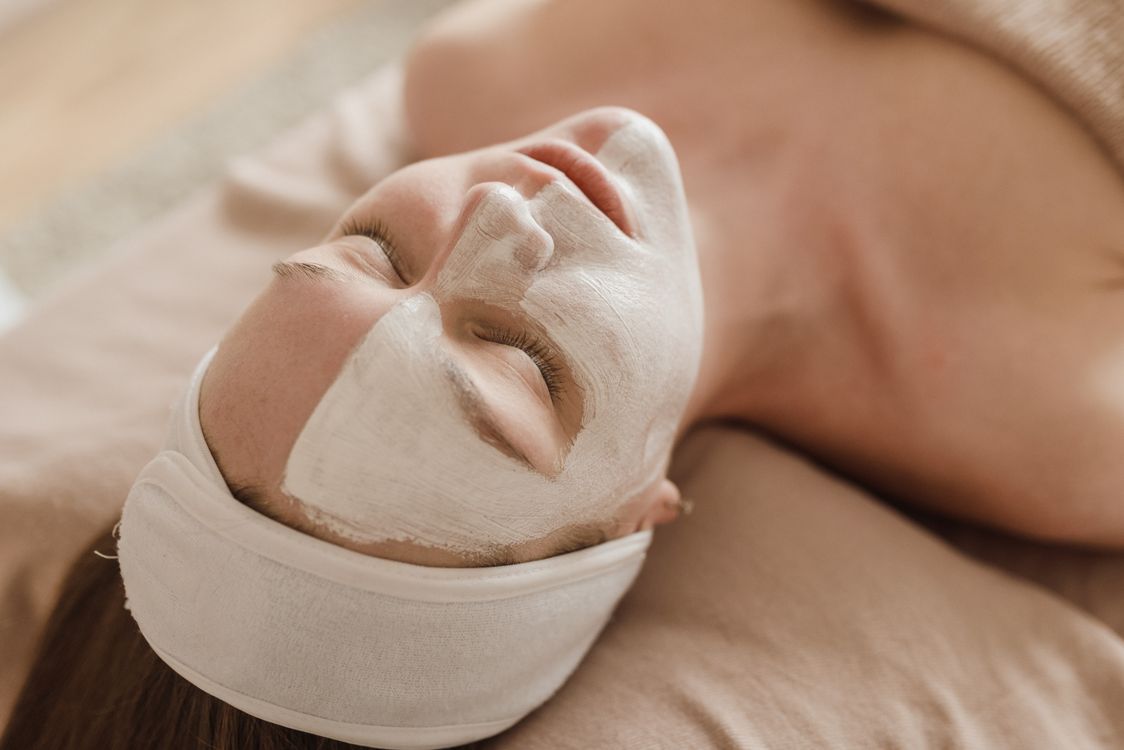
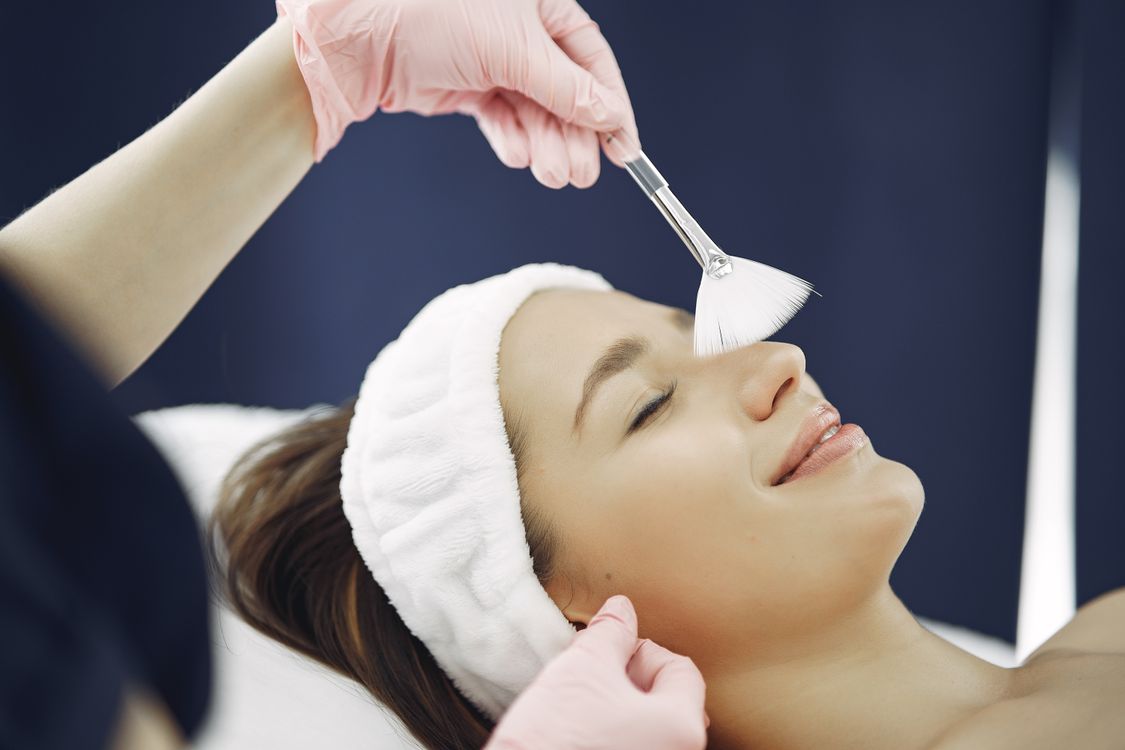
A professional facial is a non-invasive skincare treatment that can include cleansing, exfoliation, hydration, masks, massage and other steps selected for the client. Cleveland Clinic describes facials as treatments designed to address skin concerns, support overall skin health and provide relaxation.
Professional cleansing and exfoliation
One advantage of professional Facial Care is having cleansing and exfoliation adjusted to your current skin condition. Exfoliation can help remove surface dead skin cells and leave the complexion feeling smoother, but stronger does not automatically mean better.
A trained practitioner should consider sensitivity, active breakouts and recent treatments before deciding how intensive exfoliation should be.
Hydration and skin conditioning
Hydration is one of the most immediate reasons people enjoy a facial. Moisturizers, masks and serums can help the skin feel softer and more comfortable after a treatment. Cleveland Clinic notes that professional facials commonly include moisturizing and masks customized to individual concerns.
Facial massage and relaxation
Professional Facial Care is not only about products. Gentle facial and neck massage can turn a skincare appointment into a restorative wellness experience. For clients who spend long hours working, travelling or looking at screens, that quiet period can be an important part of the treatment.
Massage may temporarily leave the skin looking flushed because of increased local circulation. That is different from claiming that massage permanently changes the structure of the face.
A treatment adapted to current skin needs
Your skin does not behave exactly the same every month. Weather, travel, stress, hormonal changes and new products can all affect its condition. Professional Facial Care gives you an opportunity to discuss what has changed and adapt the session accordingly.
If your skin currently feels dull, congested or dehydrated, consider choosing a facial around that concern instead of automatically repeating the same treatment every visit.
Looking for professional skin care in Paphos? Six Senses offers Facial Care that combines cleansing, exfoliation, facial massage, masks and moisturizing steps. Discuss your current skin condition with the therapist before the session so the experience can be approached with realistic goals.
What Facial Care Cannot Replace
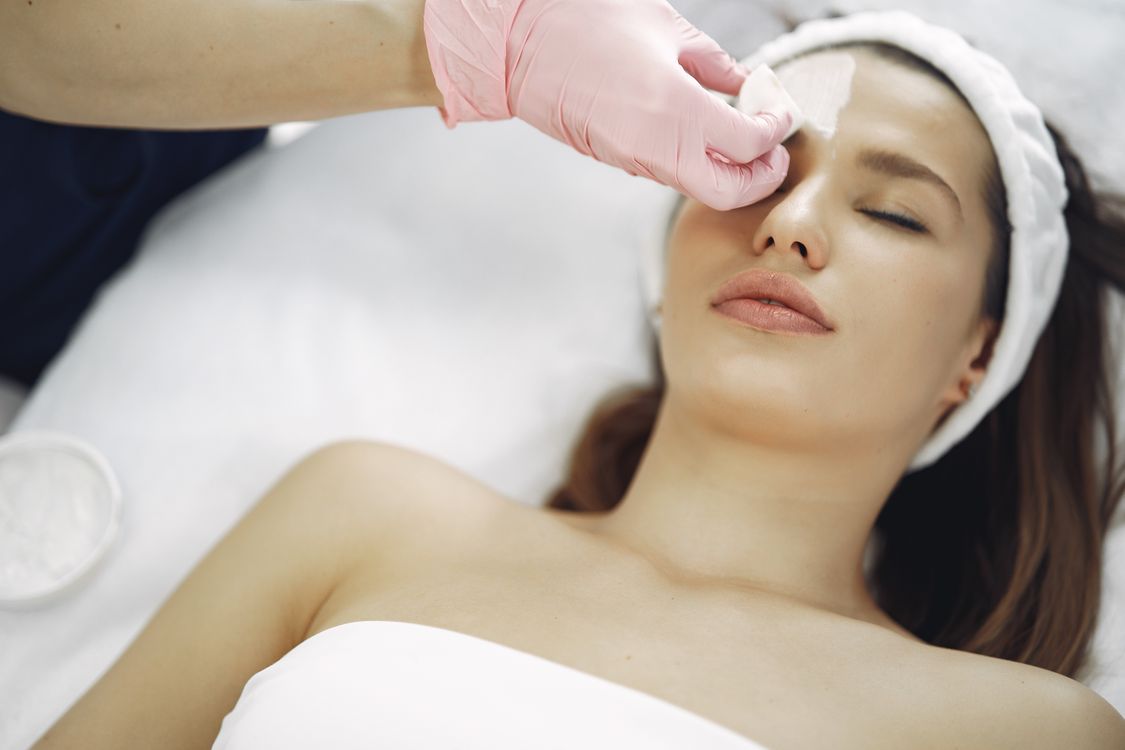
A relaxing treatment can make the skin feel refreshed, but professional Facial Care should not be expected to replace everyday skincare or medical care when a genuine skin condition is present.
Daily sun protection
No occasional facial can compensate for repeated unprotected ultraviolet exposure. Daily broad-spectrum sunscreen with SPF 30 or higher remains one of the most important preventive skincare steps recommended by dermatology organizations.
This is particularly relevant in sunny destinations such as Cyprus. If you have recently had exfoliation or another treatment that leaves the skin more sensitive, follow the aftercare instructions and be especially careful with sun exposure.
Consistent home skincare
A professional session may deliver an immediate feeling of softness or freshness, but healthy-looking skin depends heavily on what happens between appointments. Gentle cleansing, suitable moisturizer and sun protection provide the foundation that professional Facial Care builds upon.
Expensive products are not automatically more effective. Consistency and suitability for your skin matter more than creating the longest possible routine.
Medical assessment when skin problems persist
A spa facial is a cosmetic and wellness treatment. Persistent rashes, painful acne, suspicious changing lesions, infections or severe irritation require appropriate medical assessment. Do not rely on Facial Care alone to diagnose or treat an unexplained skin condition.
Facial Care in Paphos at Six Senses
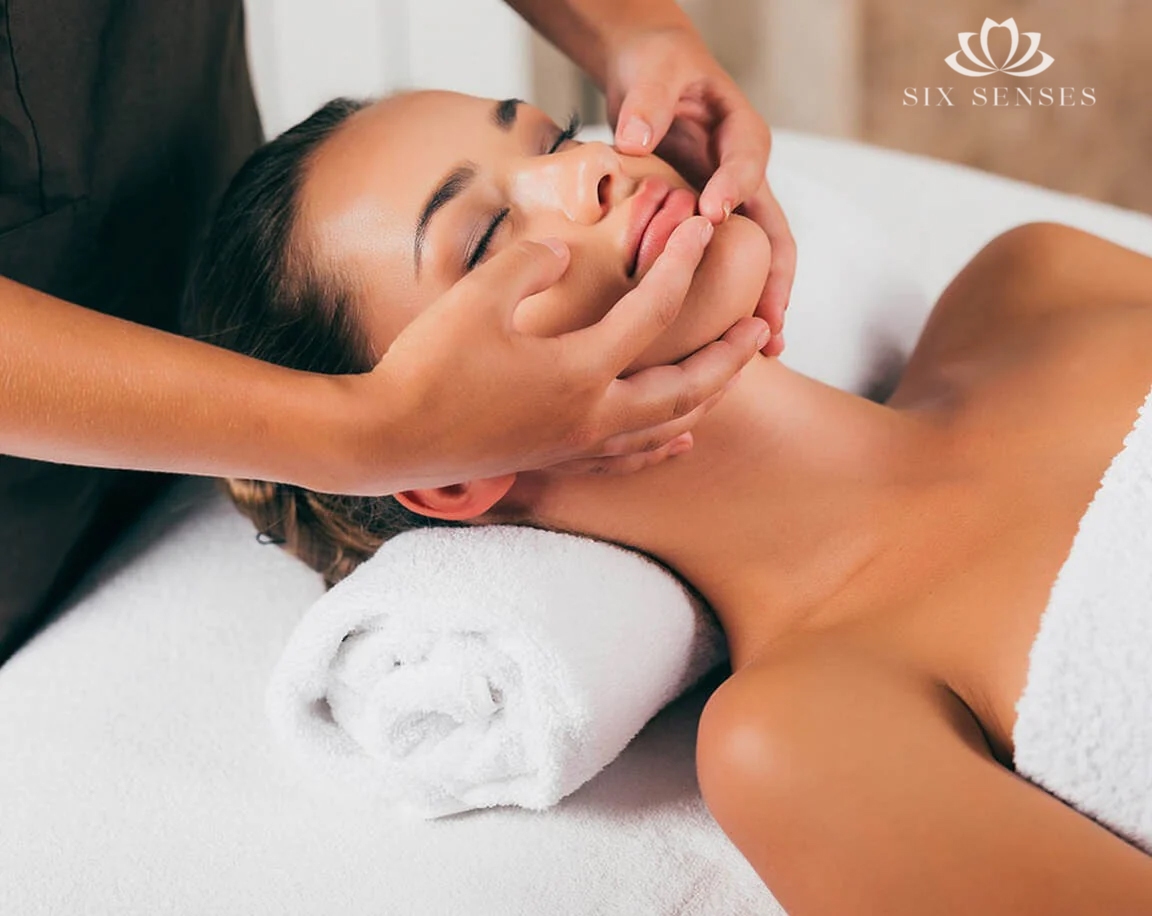
If you are searching for Facial Care in Paphos, look beyond promises of instant transformation. A useful consultation should consider your skin type, sensitivity, recent procedures and the main result you hope to achieve.
Six Senses Asian Massage and Spa in Kato Paphos currently lists a professional Facial Care service that includes cleansing and exfoliation, facial massage, a herbal or collagen mask, moisturizing products and other treatment steps.
What to consider before your appointment
- Tell the therapist about sensitive skin or known product allergies.
- Mention recent peels, laser treatments, injectables or other cosmetic procedures.
- Explain whether your priority is hydration, cleansing, relaxation or a refreshed appearance.
- Avoid experimenting with several strong new products immediately before your appointment.
- Speak up if any step causes significant burning, pain or discomfort.
Giving the therapist this context makes Facial Care more relevant to your actual needs instead of treating every client in exactly the same way.
How to care for your skin after a facial
After professional Facial Care, keep your routine relatively simple unless your therapist or dermatologist has recommended otherwise. Use gentle cleansing, moisturize appropriately and protect the skin from the sun.
Avoid the temptation to add multiple exfoliating acids or strong active ingredients simply because the skin feels smooth after the treatment. Giving the skin time to settle is often the more comfortable approach.
Ready to give your skin focused attention? Explore the Facial Care service at Six Senses in Paphos and choose a session based on what your skin genuinely needs rather than the latest skincare trend.
Learn more: professional facial treatments
Facial Care FAQ
How often should you have professional Facial Care?
There is no single schedule that is right for everyone. The appropriate frequency depends on your skin, the type of treatment and how your skin responds afterward. Professional Facial Care can be occasional for relaxation or scheduled more regularly when a suitable practitioner recommends it.
Is Facial Care suitable for sensitive skin?
Yes, but the products and techniques should be adjusted carefully. Sensitive skin may not tolerate strong exfoliation, fragrance or intensive active ingredients. Tell the therapist about previous reactions before your Facial Care session begins.
Can a facial remove wrinkles?
A facial can hydrate the skin and temporarily make fine lines appear softer, but it cannot permanently remove wrinkles. Mayo Clinic notes that moisturizers temporarily plump the skin, while even non-prescription anti-wrinkle products generally produce modest results.
Should I have a facial if I have acne?
Mild congestion may sometimes be addressed during professional Facial Care, depending on the treatment. Inflamed, painful or persistent acne should be assessed by a dermatologist, especially if it is leaving scars. Avoid assuming that aggressive extraction or scrubbing will solve acne faster.
What should I avoid after a facial?
For many people, it is sensible to avoid harsh scrubbing and introducing several strong new active products immediately after treatment. Follow any specific instructions given for the treatment you received. Continue gentle cleansing, hydration and appropriate sun protection.
Is professional Facial Care worth it?
It can be worthwhile if you value professional cleansing, personalized skincare, hydration and relaxation. The best results come when professional Facial Care complements a consistent daily routine rather than replacing it. Choose a treatment based on your skin needs and realistic goals, not exaggerated promises.